How to think like an interior designer and create a home that reflects your style

We all dream of a beautifully curated home but figuring out where to begin and how to create a calm, serene space that also reflects your style can often feel like a challenge, especially without hiring an interior designer to help.


Here, Harriet Goodacre, style and interiors consultant at Topps Tiles, shares her top tips for thinking like a professional designer and creating a home that feels stylish, practical and considered, while keeping your own personality and sense of individuality.

Start by considering what you like

“Before you commit to an interiors scheme, it’s worth spending some time researching what kind of colours, patterns, textures and interiors you’re drawn to. Scrolling through pics on Instagram or Pinterest is one of the best ways to do this and you can save anything that catches your eye without overthinking it.


 “Once you’ve built up a collection of images you like, you’ll be able to spot the common themes in terms of the aesthetic and style you’re drawn to. For example, you might notice you’re repeatedly picking certain colours and shades, furniture styles or textures. There’s a reason for that so don’t be afraid to explore why. Look at each image closely and ask yourself what it is you love about it. Your answer to this question will help you to form the basis of your home and style.”

Consider how you use your home

“Whilst interiors trends are great for inspiration, don’t feel you have to rigidly stick to them. It’s important that you consider any décor and looks from a practical perspective too. Your chosen aesthetic needs to fit in with your lifestyle and what it is you want to get out of your home. Don’t be tempted to go with something that doesn’t suit how you’ll use your space. If you’re like me and have a dog who likes to trample mud through the house after a long walk, then picking an all-cream, minimalist colour scheme might not be the best idea and odds are it won’t stand up to the day to day uses that you need it for.


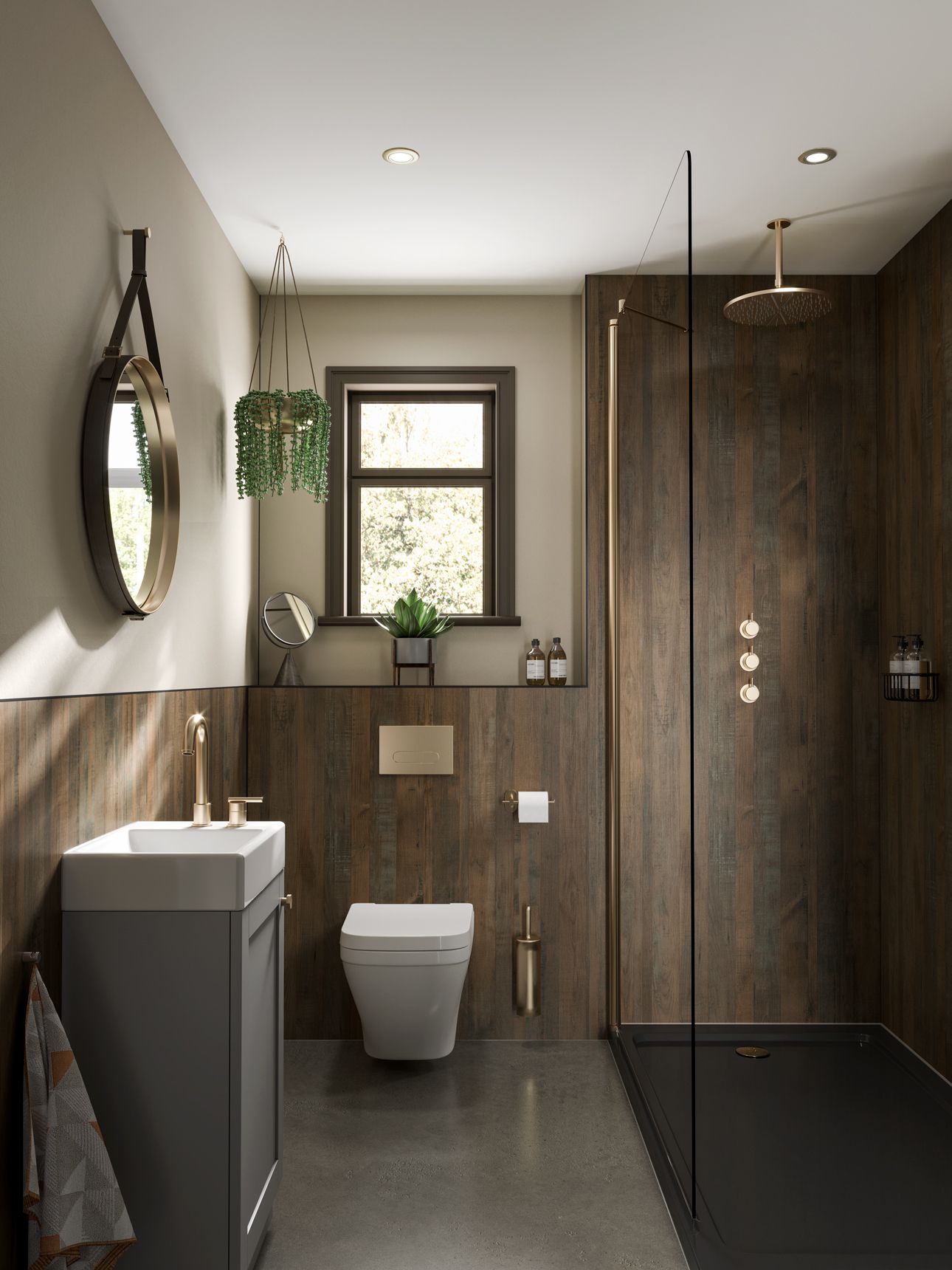
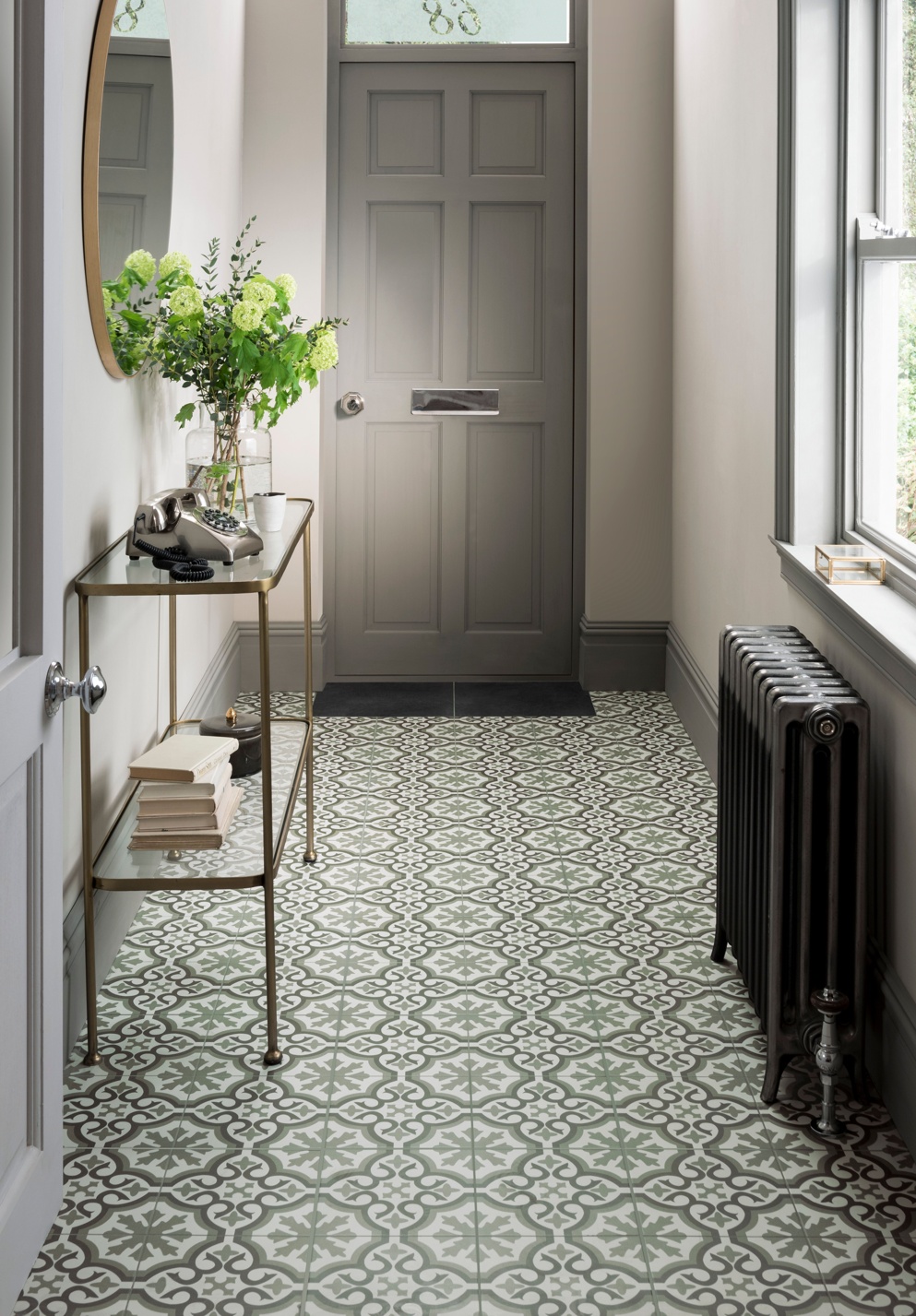
“My mantra is that practicality should always sit alongside great interiors and it’s worth remembering that you don’t have to sacrifice one for the other. Different rooms have different demands, and your furnishings, materials and choices need to reflect that. Take bathrooms and kitchens, they need tiles that are water and slip resistant for safety, hygiene and ease of cleaning and maintenance. Whereas living areas and hallways will benefit from durable tiles that can handle everyday heavy foot traffic, while outdoor spaces require tiles with a high slip resistance rating to cope with the changing elements. These things should all be taken into consideration alongside looks.


“When function and design work together like this, you end up with a home that not only looks good but works for everyday life too.”

Consider how you might create flow and unity

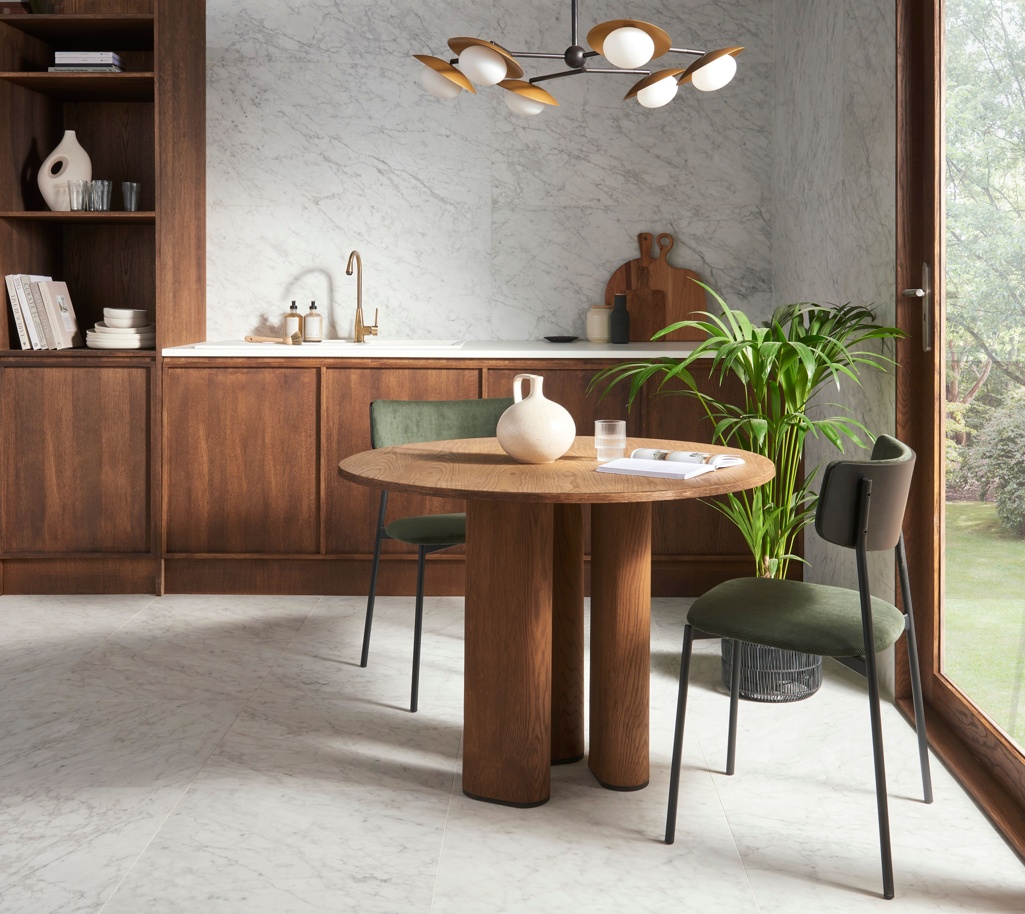
“Interior designers often talk about the ‘red thread’, which is essentially a way of creating unity or continuity throughout the home. This could be done by taking an accent colour, a shape you love or even a particular wood tone that appears in different ways in each room, like furniture or accessories, to create a harmonious feel.

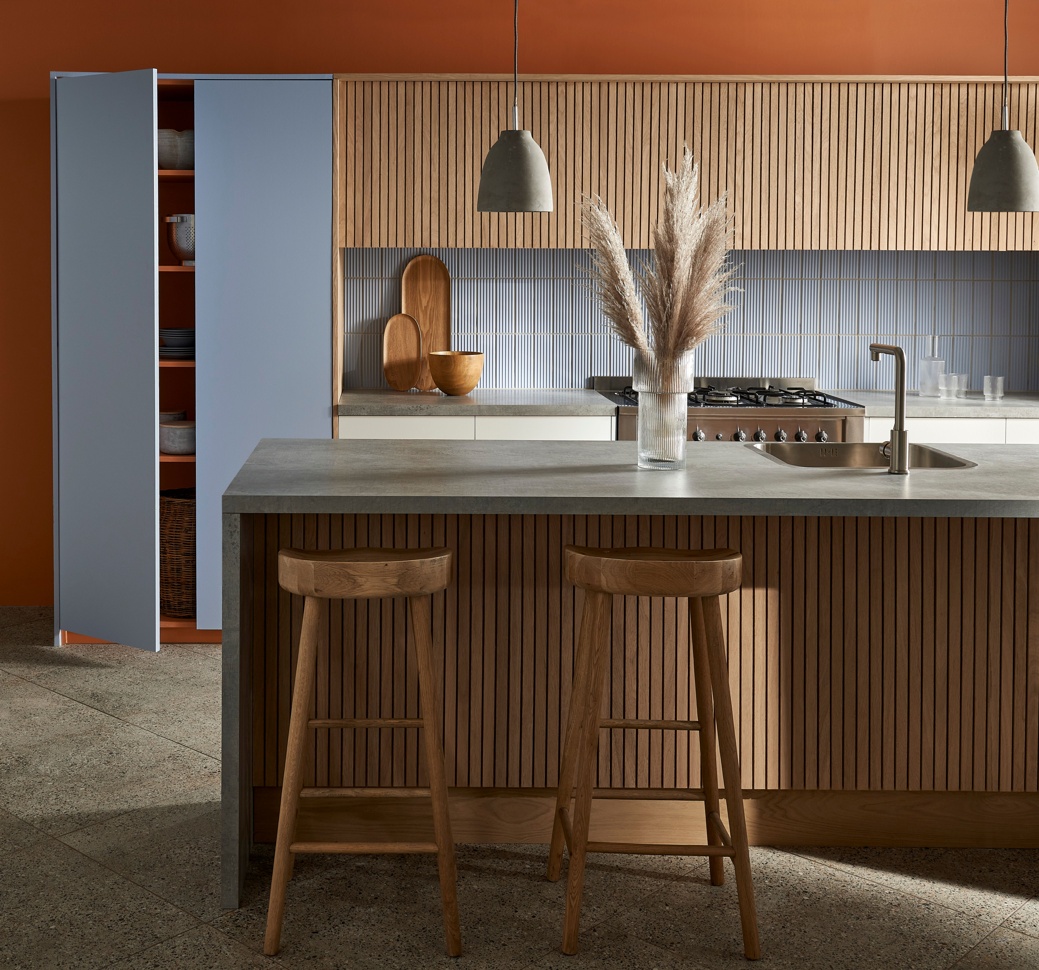
“Repeating these elements in subtle ways throughout your home helps it to feel connected whilst still allowing each room to have its own personality. You can evolve the look as you go by changing textures or introducing new colours. For example, if your style is modern, eclectic and warm, and you love earthy tones and natural materials, one room might feature these elements through your choice of paint or tiles, while another room brings this in through towels or accessories. It keeps things cohesive without being too matchy, matchy.”

Utilise accessories, height and texture

"When it comes to décor and final touches, the rule of three is always a good one to stick to. Grouping items in threes, whether that’s cushions on a sofa or objects on a shelf, tends to look more natural and visually pleasing.


“You should also think about height and levels within a room and how best to use them. A space feels more interesting when the eye is guided through it at different points and levels. If one element is especially tall, like a shower enclosure in a compact or small bathroom, try to create a sense of flow downwards with lower features and accessories to balance this out.


“Texture shouldn’t be overlooked either as it can stop a room from feeling flat and inject personality into it. Layering different materials and finishes adds depth and makes a space feel more inviting.


“You should also think about making the most of things like rich velvets, rattan, embossed or raised tiles, or pairing smooth surfaces with textured ones. You could even combine lots of plush, soft furnishings with harder finishes to add strong visual and tactile interest.”

About Topps Tiles

Topps Tiles – specialists in walls and floors for home and gardens. Offering a stylish, diverse and design-led range of hard surfaces to suit every home, interior and budget.

With more than 290 stores nationwide, Topps Tiles has a range of stylish products that also includes wall and shower panels, luxury vinyl tiles, extra-large format floor tiles and stylish outdoor tiles, making it easy to create cohesive interiors and stylish outdoor spaces.

For more information, visit www.toppstiles.co.uk.


Press office contact:
For lifestyle and cut out imagery, expert comments, product for shoots etc, please contact Neon Communications and Louise Hall or Camilla Blakemore-Haran on louise@neon-communications.com / camilla@neon-communications.com

Stockist details