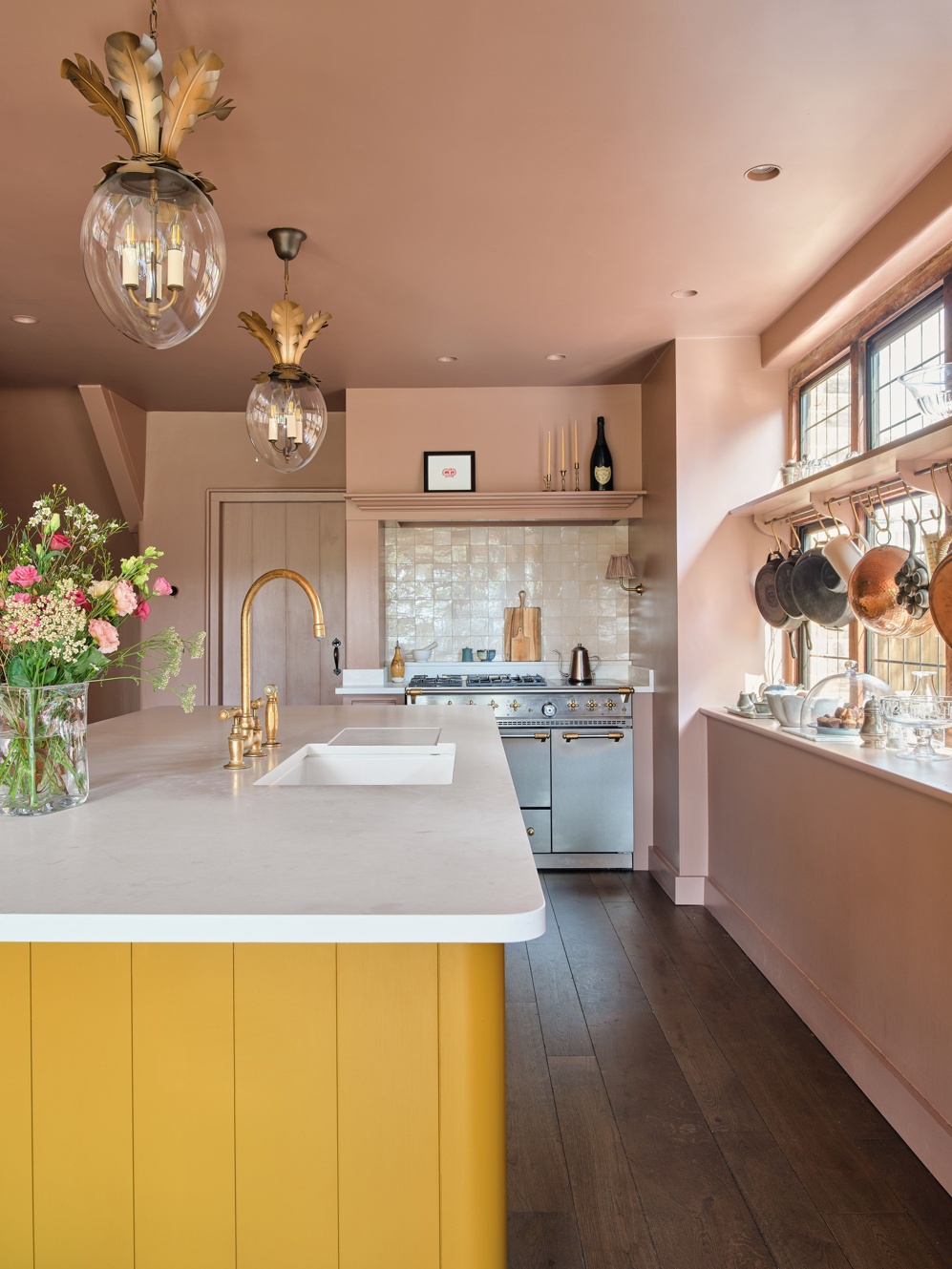
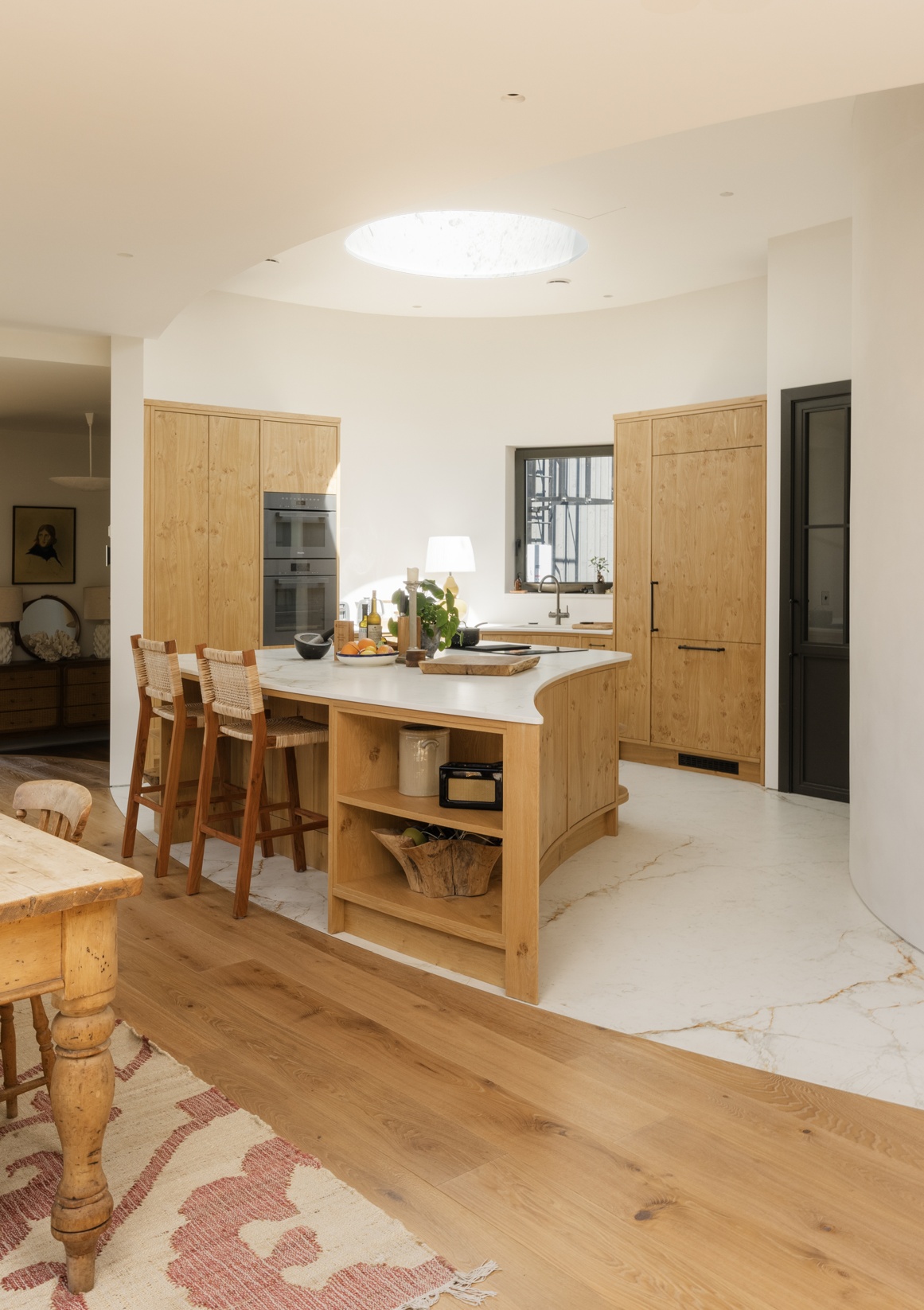
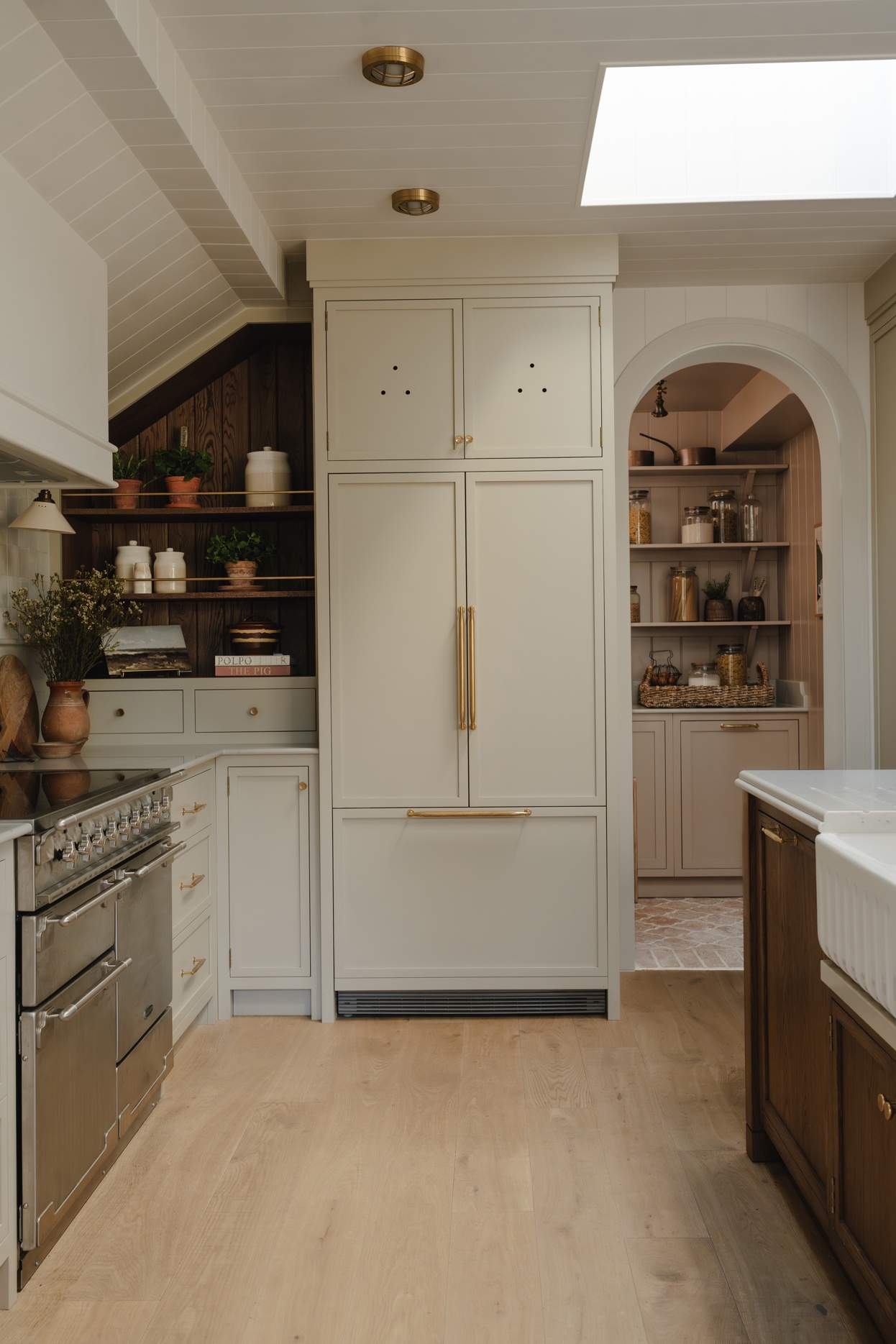
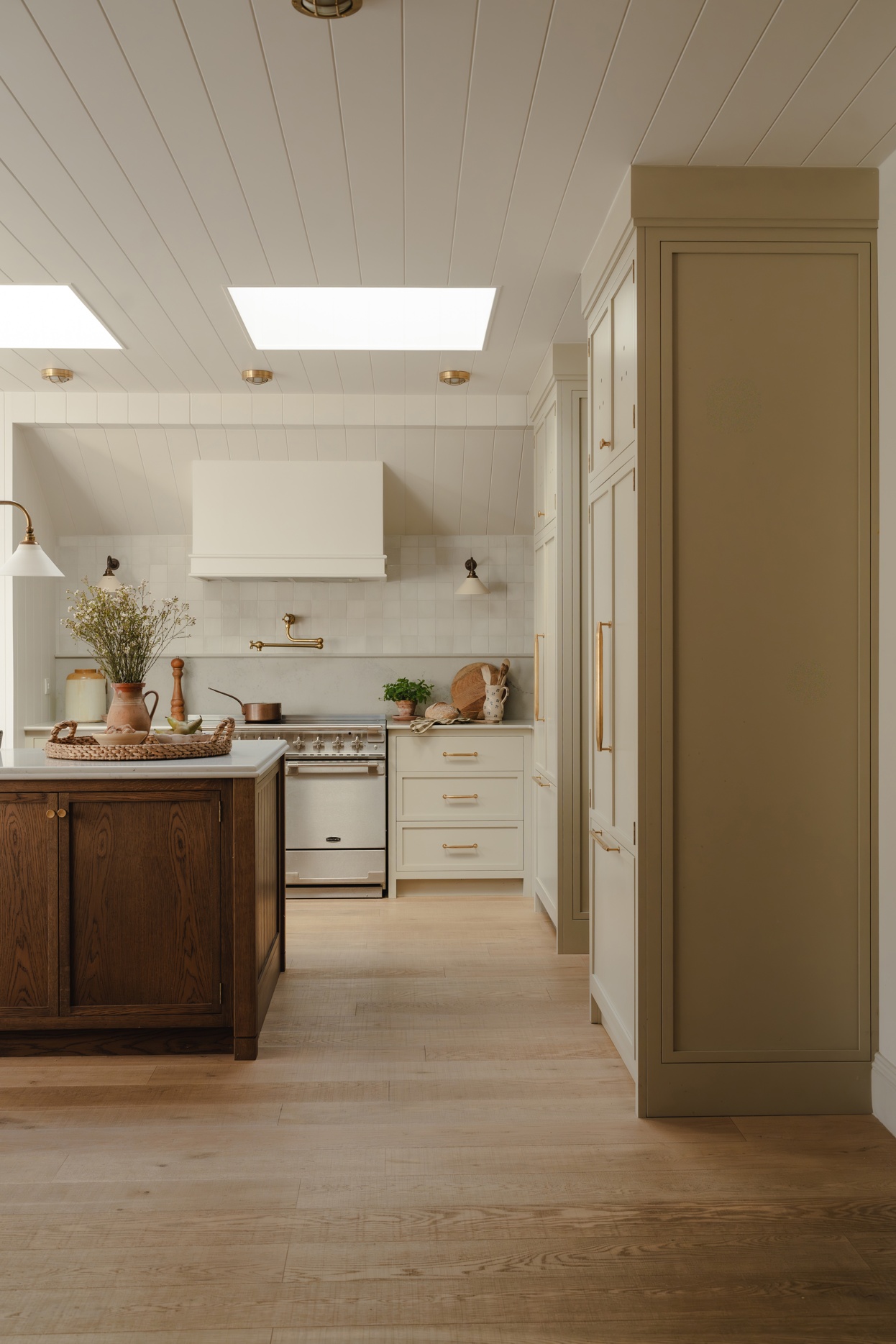
Wood Flooring & Underfloor Heating


Expert Q&A with Ian Tomlinson, Managing Director of Chaunceys Timber Flooring

Underfloor heating (UFH) is growing in popularity across UK homes, but can you really enjoy the warmth of natural wood flooring without risk?


 Ian Tomlinson, Managing Director at Chaunceys Timber Flooring, answers common questions about combining engineered wood flooring with UFH.

Q: Can you put underfloor heating under wood flooring?

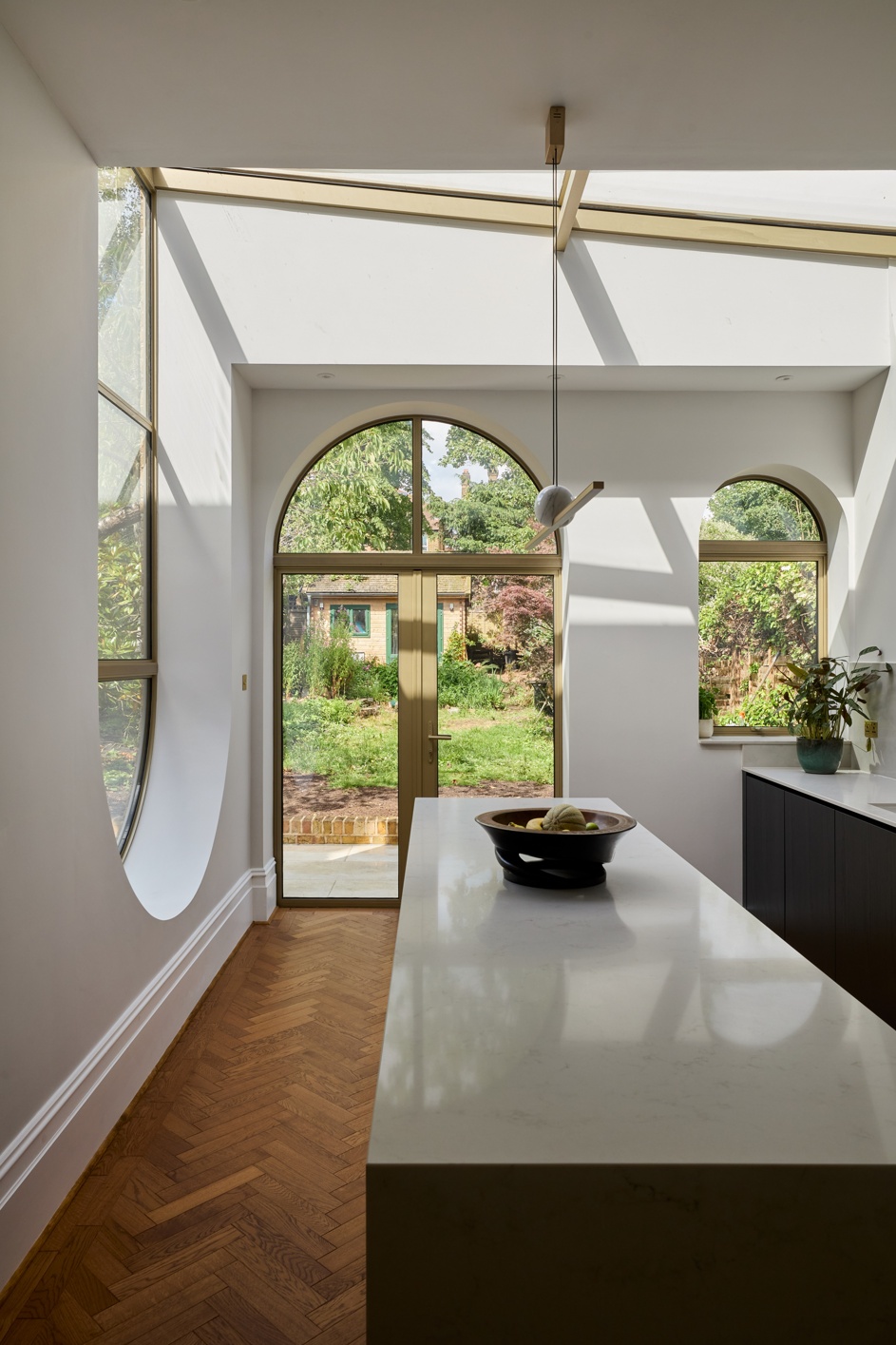
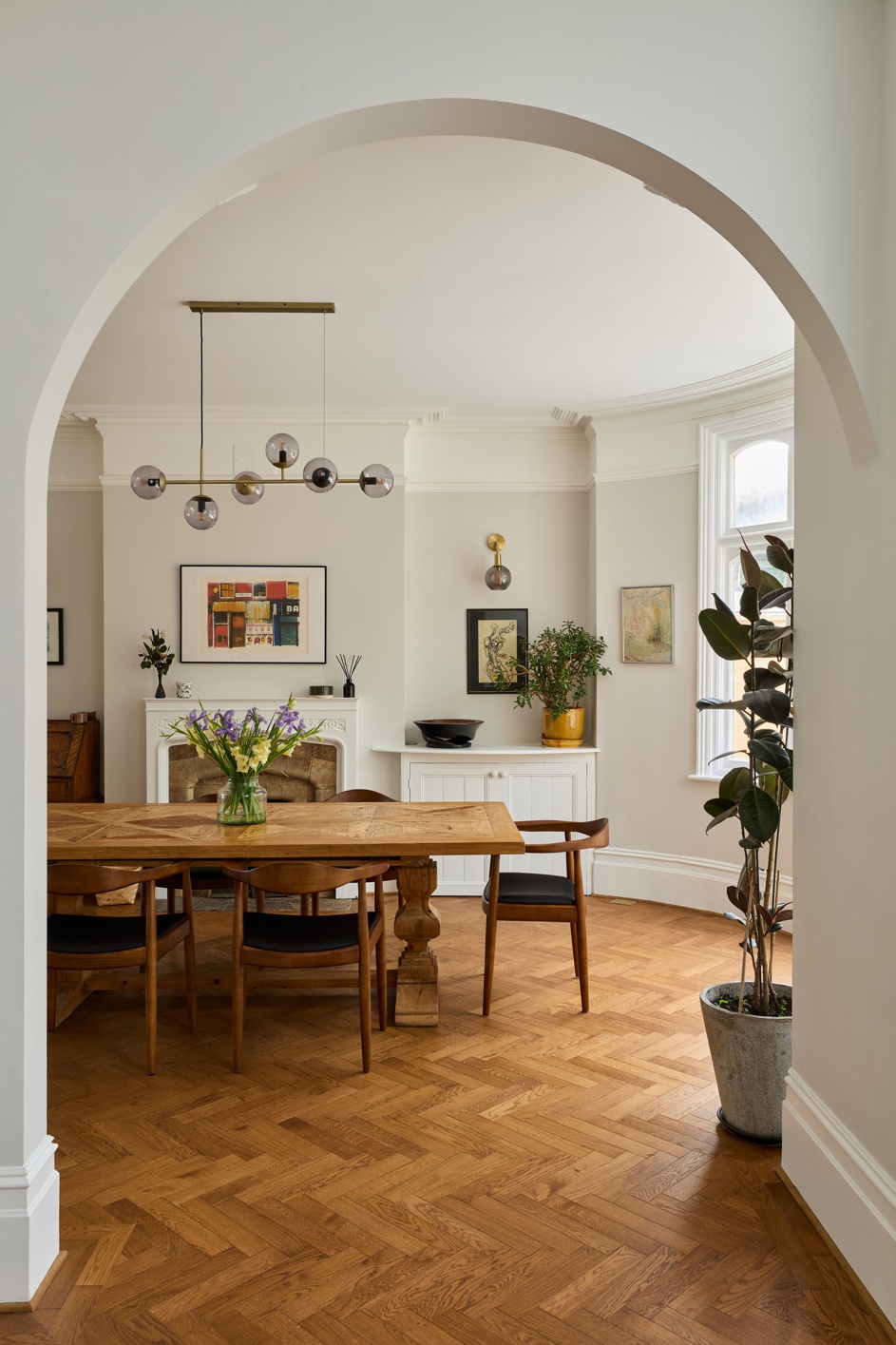
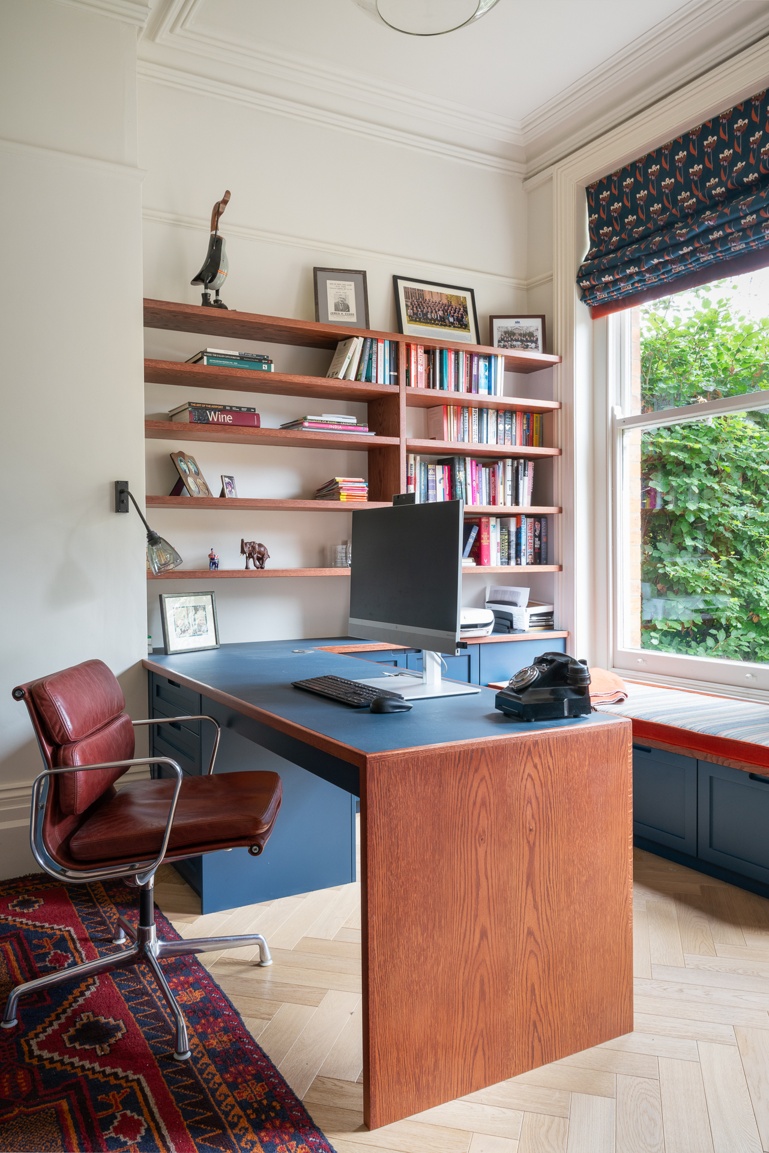
Yes absolutely, but it’s all about choosing the right wood. With the right boards and installation method, you can have beautiful, long-lasting wood flooring over your underfloor heating system. Engineered planks are a great choice because they resist expansion and contraction caused by temperature or moisture changes, which makes them ideal for UFH.

Q: Why not use solid wood boards?

We strongly advise against it because solid wood is far more susceptible to movement. It can warp, cup or buckle when exposed to the regular heating cycles of underfloor systems. Changes in moisture content caused by heating can stress the floorboards and even damage them.

Q: What are the benefits of wood flooring with underfloor heating?

Wood is naturally warmer underfoot than stone or tiles, and it retains heat longer, making it an energy efficient choice. Engineered wood gives the same beautiful, natural appearance as solid timber but is well-suited to UFH. It’s a luxurious yet practical choice that combines comfort, style and thermal performance.


Q: Are some types of underfloor heating better than others?

There are two main types of underfloor heating available, namely wet systems which pump warm water through pipes, and electric systems which use heating elements instead. Both work well with engineered wood, but wet systems tend to be more efficient and easier to control. Electric systems are often more affordable to install, although they can be more expensive to run.

Q: Any tips for temperature management?

Industry standards recommend keeping the surface temperature of engineered flooring below 27°C. Sudden changes in heat, particularly after a new installation, can cause the wood to shrink or develop surface splits. Maintaining a consistent temperature and making any adjustments gradually will help protect the floor and ensure long term stability.

Q: How important is acclimatisation?

Very important. Even engineered boards need time to adjust to their new environment. When the wood is delivered, remove the packaging and stack the boards on battens to allow airflow for at least 72 hours. Turn off the heating 48 hours before installation, then switch it back on gradually, increasing the temperature by 1°C per day. This helps prevent surface splits and ensures long-term stability.

Q: Any final advice for homeowners?

My advice to customers is to choose high-quality, well manufactured engineered boards, acclimatise them properly and manage your underfloor heating with care. Cheaper boards may be prone to issues such as delamination. Follow the guidelines and you’ll get the best of both worlds; the natural warmth and elegance of wood, with cosy and efficient underfloor heating.

About Chaunceys Timber Flooring

Chaunceys Timber Flooring is a family-run company based in Bristol. They have been supplying our sustainable, high-quality timber flooring to homeowners, award-winning architects, design and build companies, and renowned interior designers since 1988. Their knowledgeable team will work closely with each customer to achieve the best product and finish, bringing their design vision to life with beautiful wood flooring that will stand the test of time.

Stockist details

0117 971 3131 | http://chauncey.co.uk/