Wide vs Narrow Planks and How to Make Them Work in Your Home

Choosing the right wood flooring is about more than just style, it’s about creating the right atmosphere, flow and sense of space in a home. Adam Robertson, Founder and Managing Director at Urbane Living, explains the key differences between wide and narrow planks, and how to use them to best effect.

Wide Planks to Make a Statement

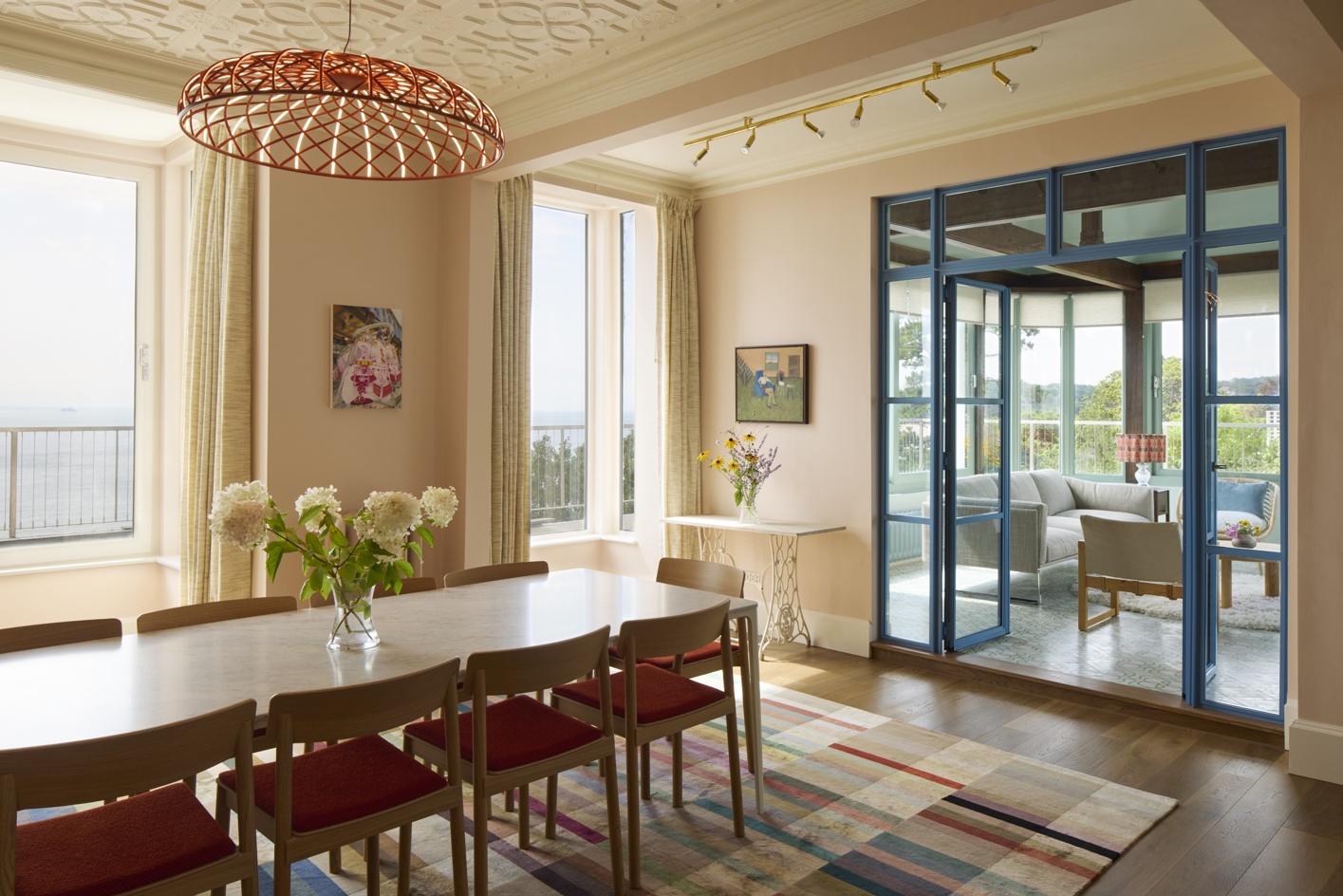
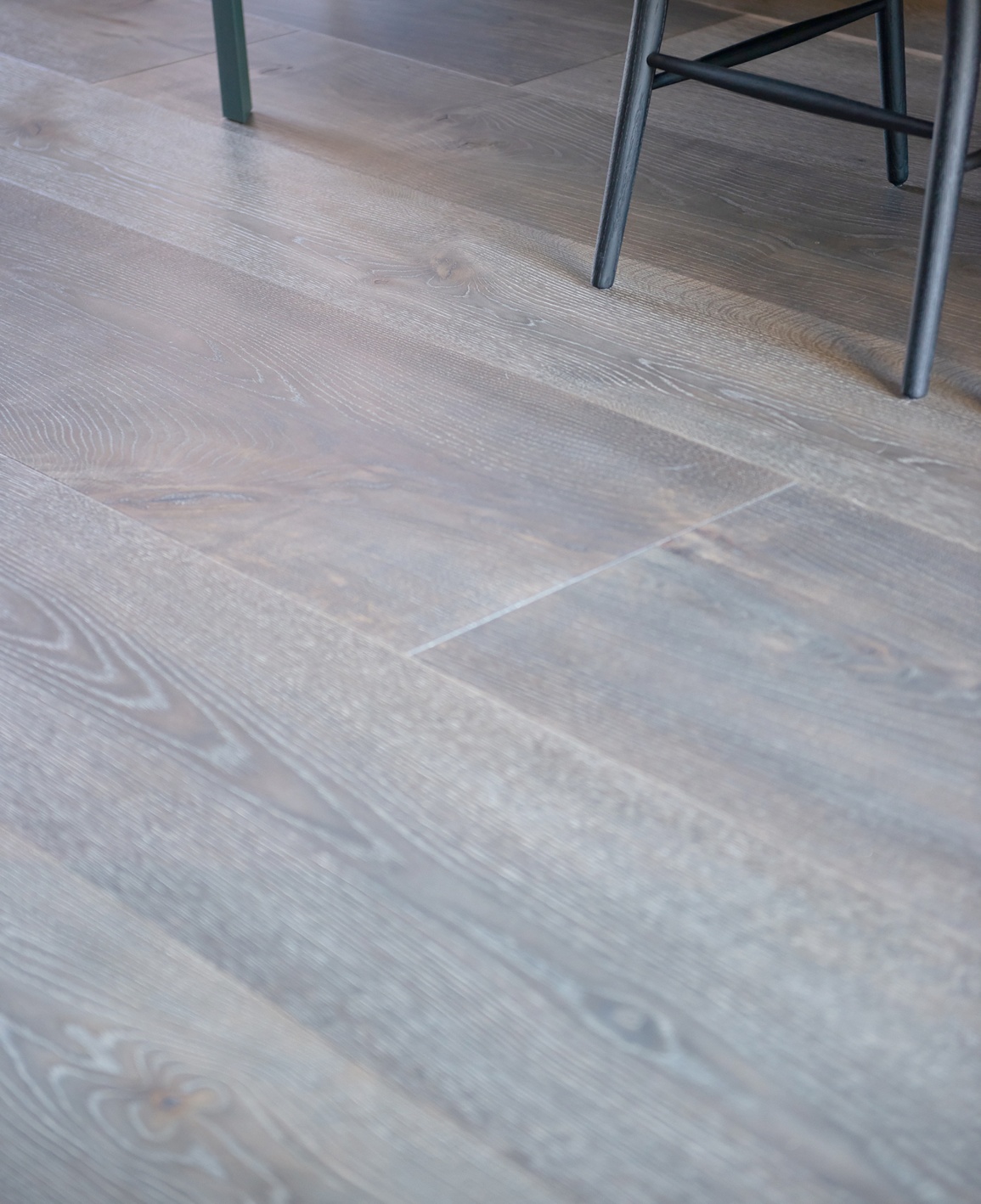
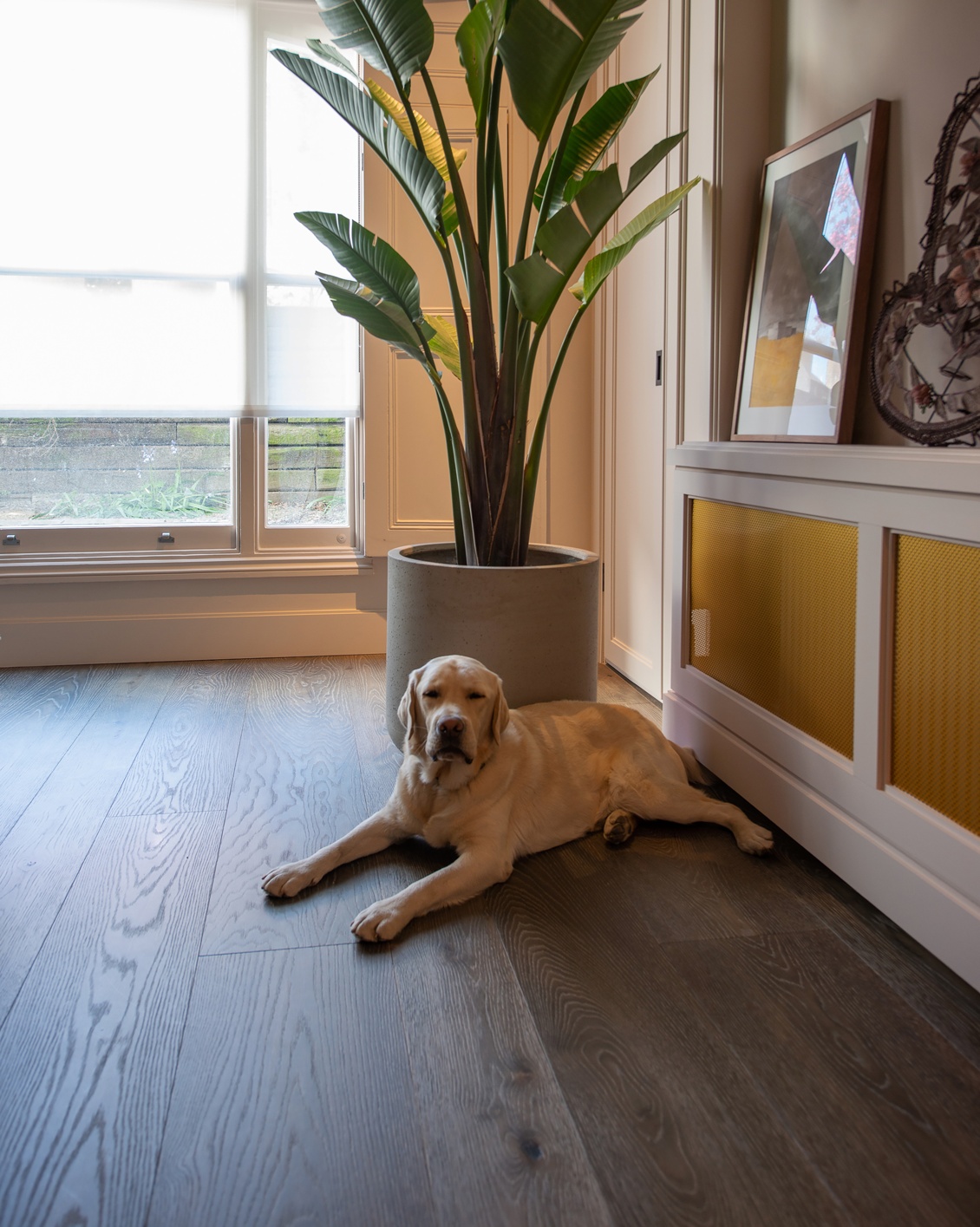
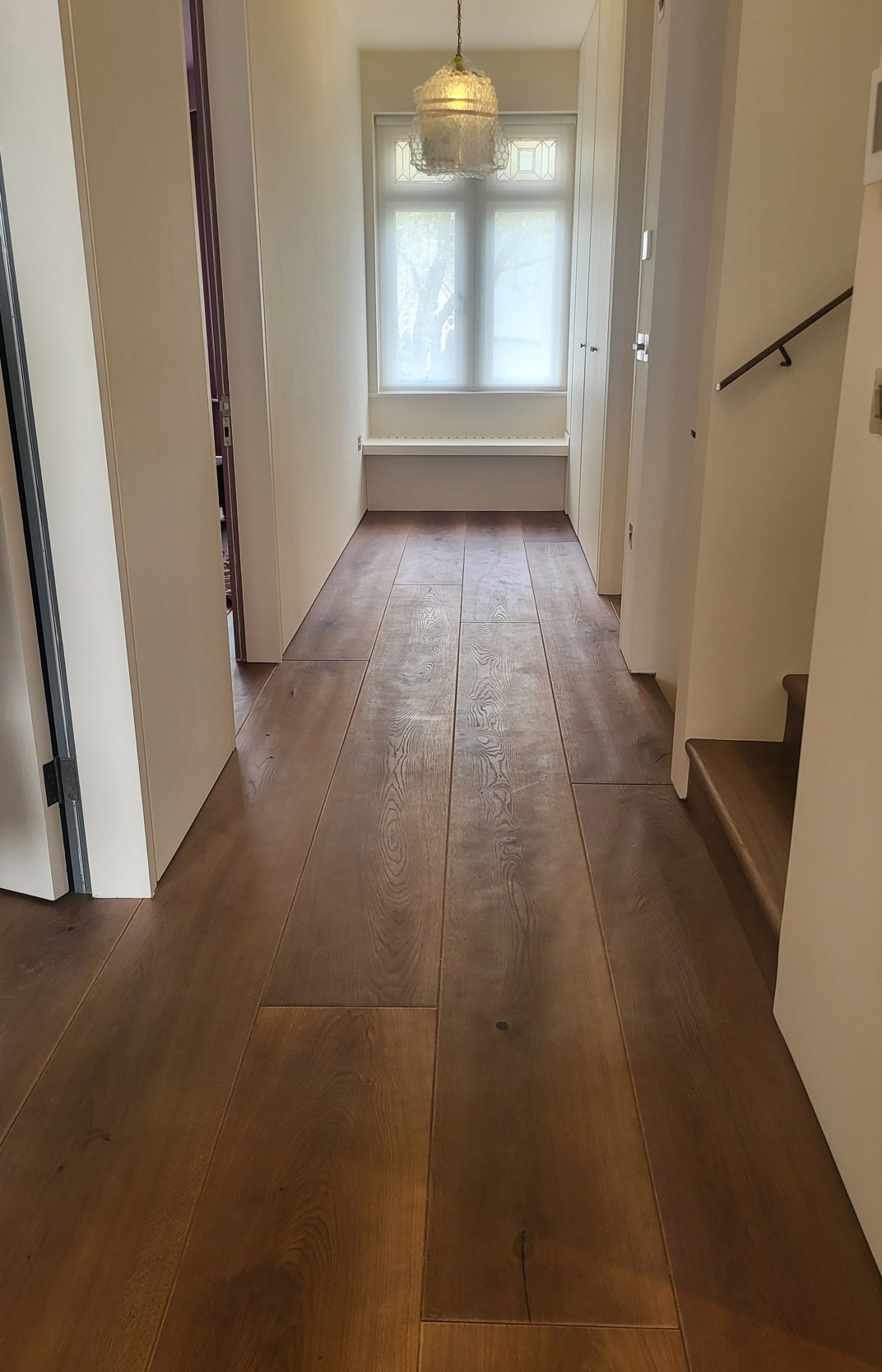
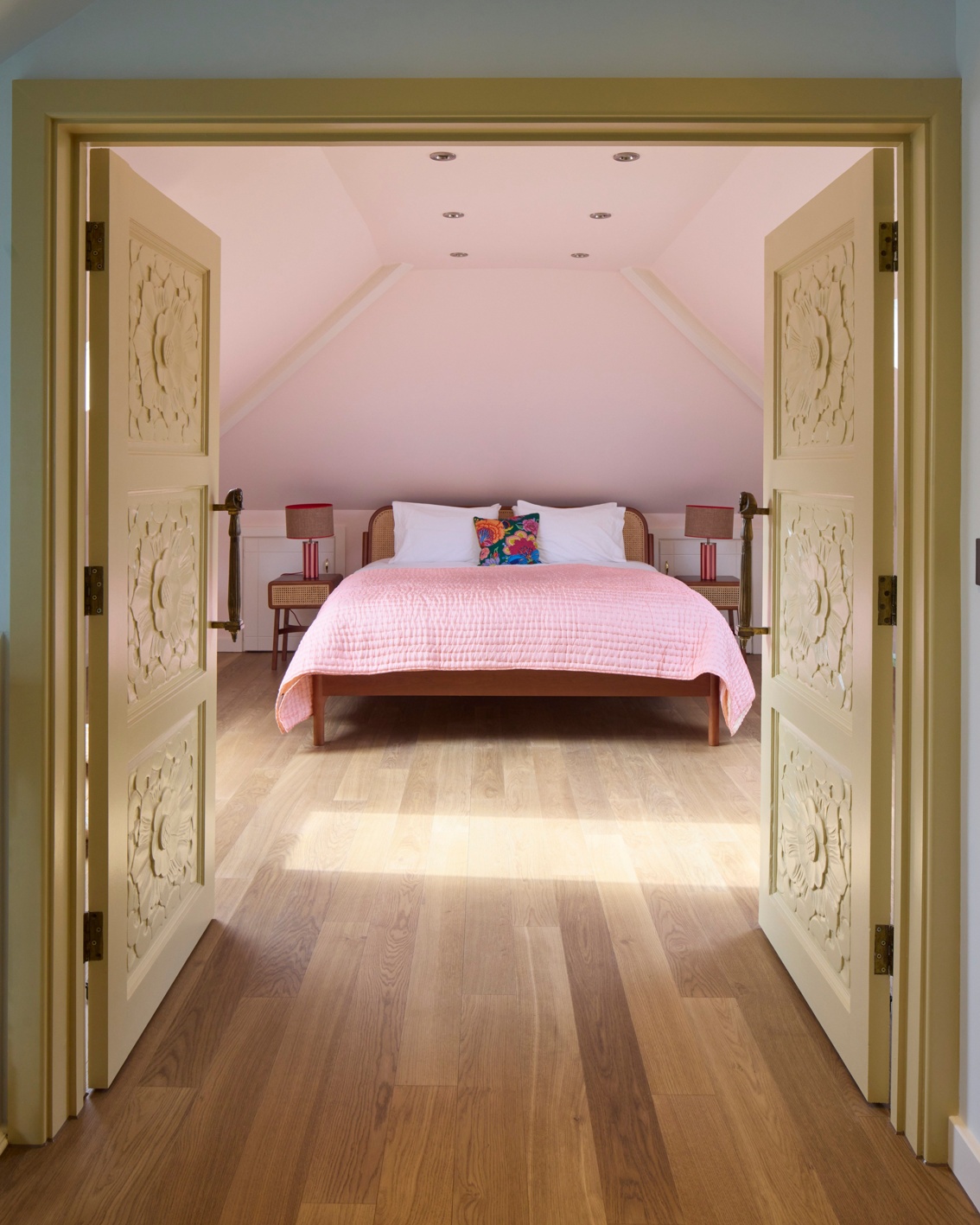
Wide planks have a way of giving a room that sense of grandeur you don’t get with narrower boards. They often come in longer lengths, which means the grain can really shine, almost like walking on a piece of art. They make a bold design statement and while the material might cost a little more, fitting is simpler than something like herringbone, so the overall spend is often comparable.

Wider boards work beautifully in medium to large rooms, where the scale feels right. For very wide formats from 240 millimetres upwards, you can create something truly striking. Some of our projects have used boards as wide as 500 millimetres, and we have even produced oak planks up to 800 millimetres. The main practical consideration is ensuring boards of this size can be delivered and manoeuvred into the property.

Narrow Planks for a Classic Look

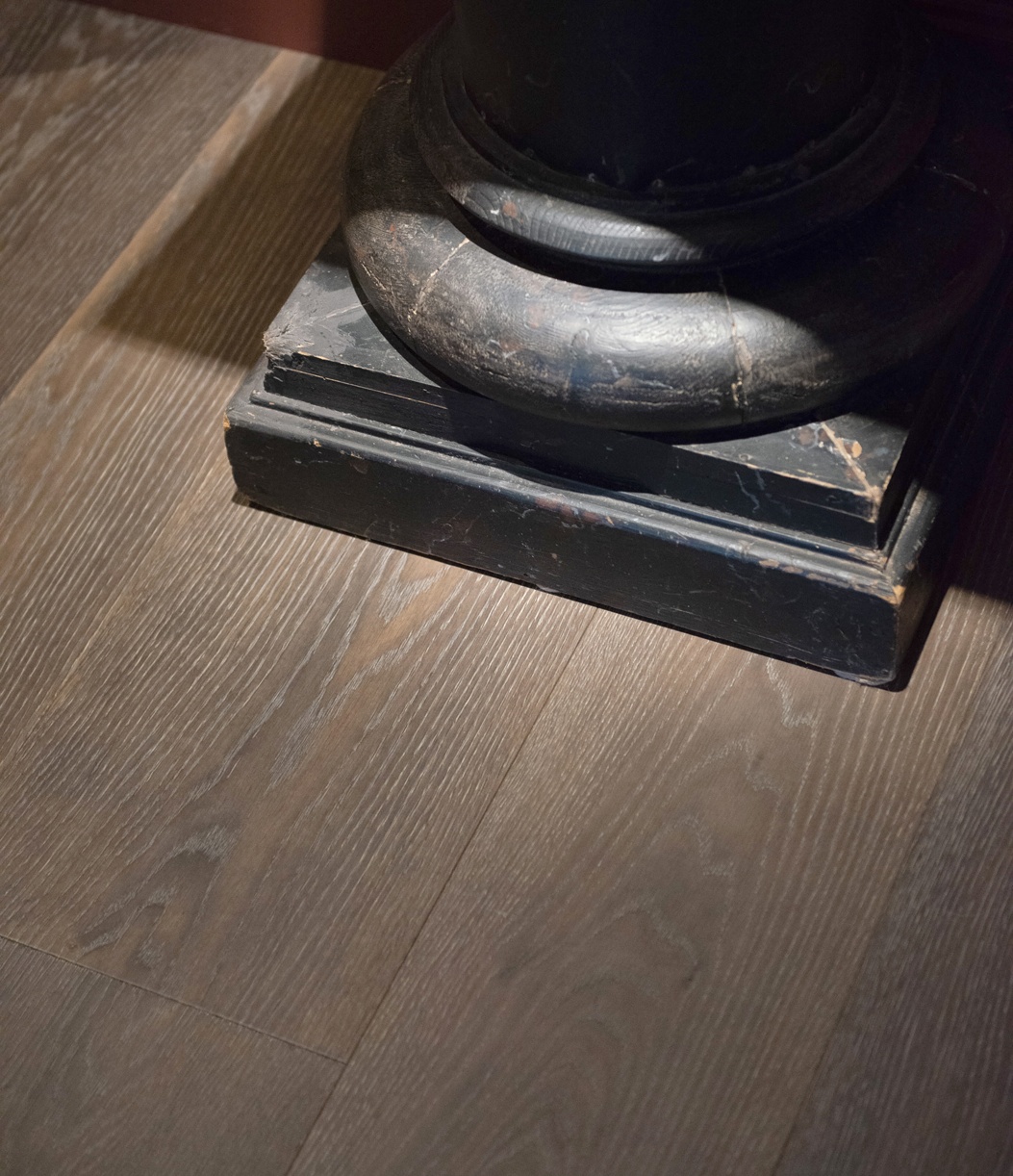
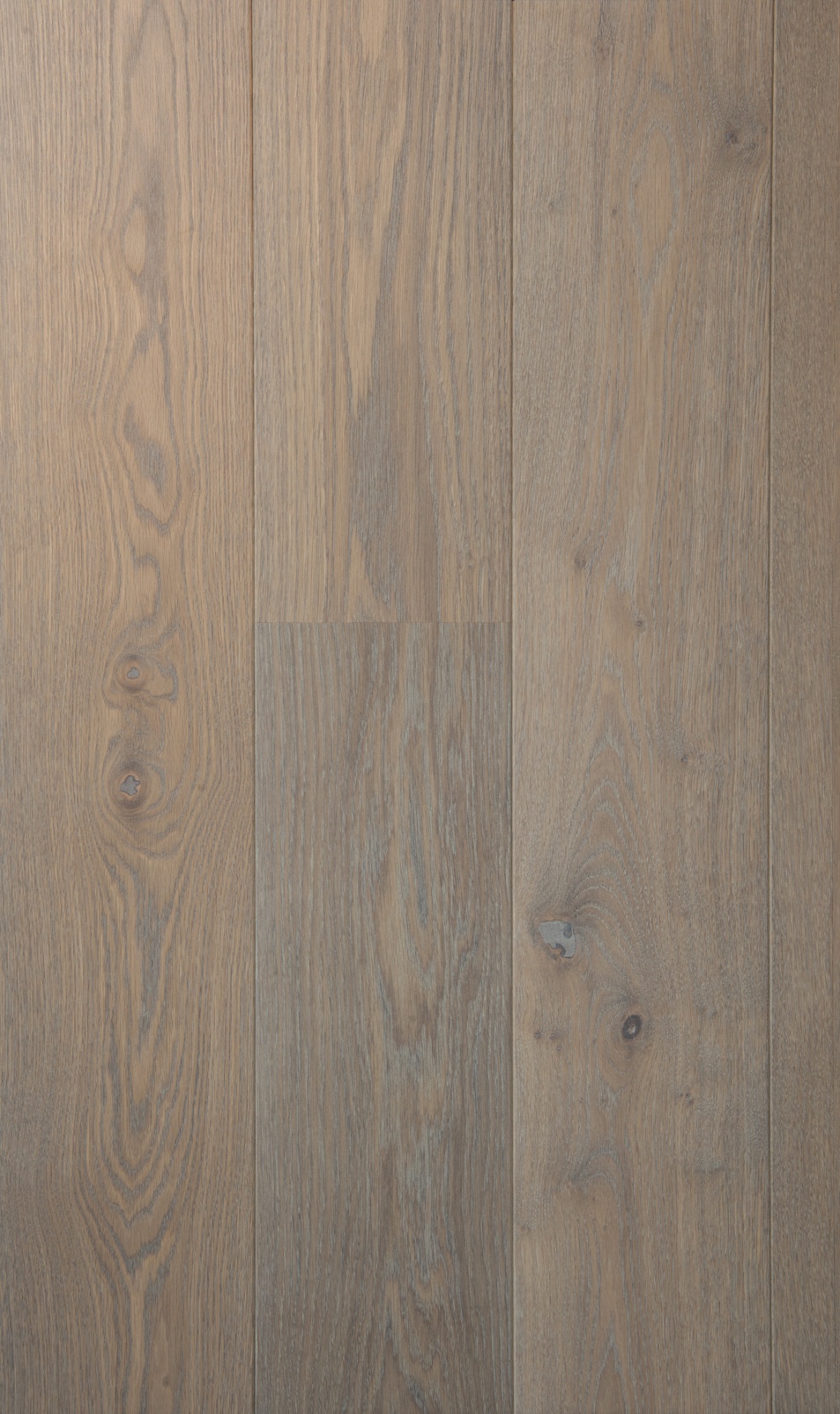
Narrow planks offer a more understated, timeless look and bring with them a strong sense of craftsmanship. At the slimmer end, around 65 millimetres, they subtly reference traditional yacht decking, while classic widths of 120 to 135 millimetres feel beautifully premium when specified in longer lengths.

They’re an excellent choice for smaller rooms, as the finer scale helps visually widen compact spaces and they also work particularly well in gyms or playrooms where durability and movement matter. For those wanting a little more character, introducing mixed widths will add gentle variation while keeping the overall look calm and cohesive.

Trends and Styles

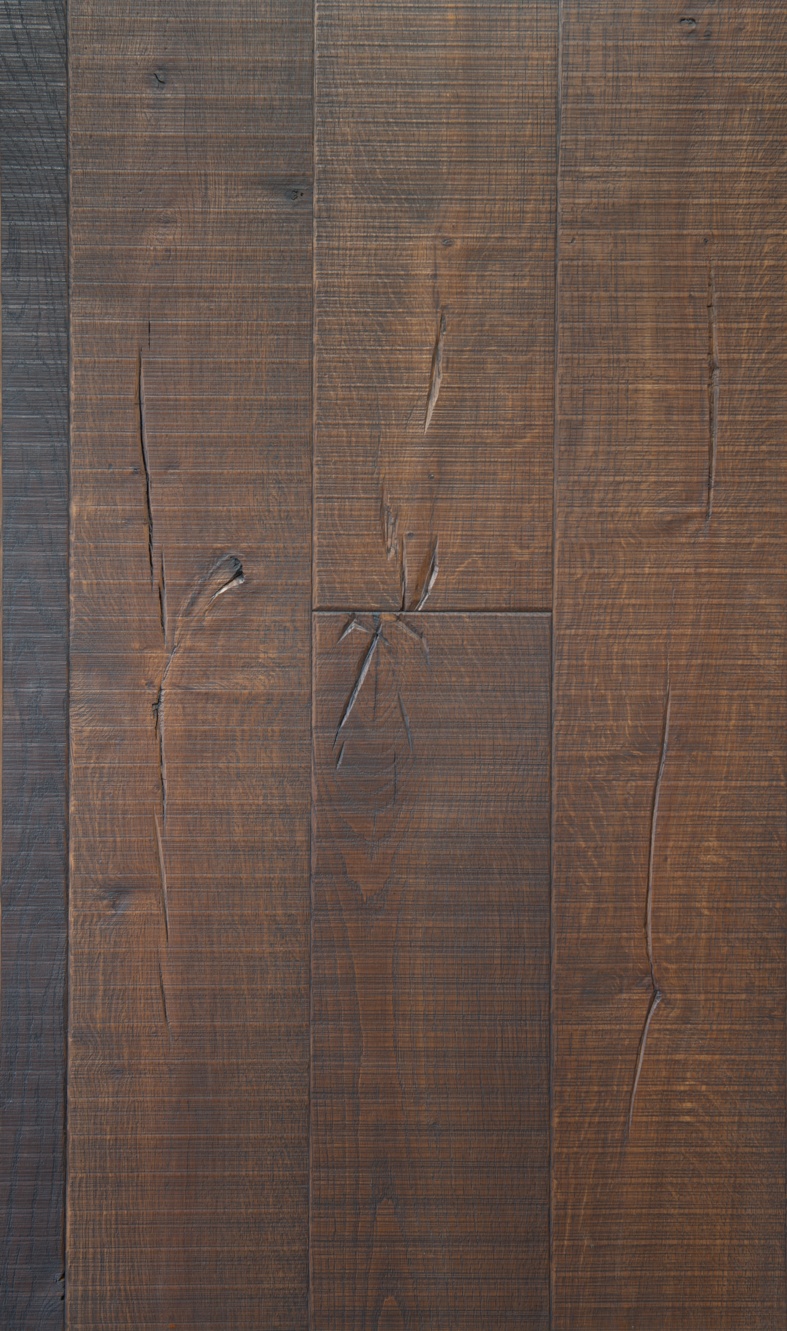
After several years of parquet taking centre stage, there’s a clear shift back towards plank flooring, particularly for homeowners wanting something with real presence. Extra-wide boards, often over 340 millimetres, are being chosen to add drama to a space, with rustic grades proving especially popular thanks to their knots, splits and natural grain variation. European walnut is also in high demand for its rich tone and expressive character, while wide planks in a prime grade remain a beautiful option for more formal rooms where a cleaner, more refined look is desired. 

Create a Consistent Flow

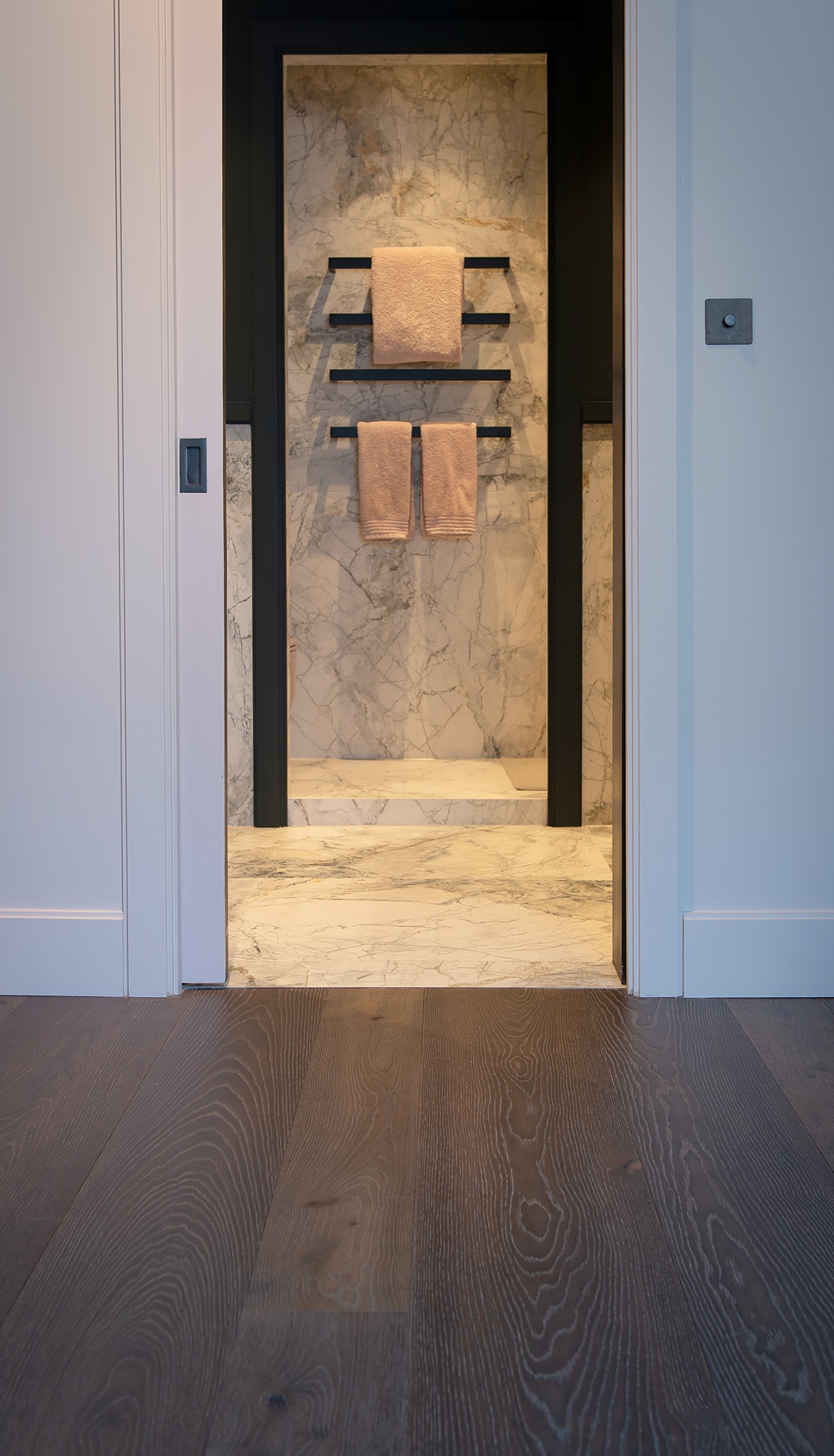
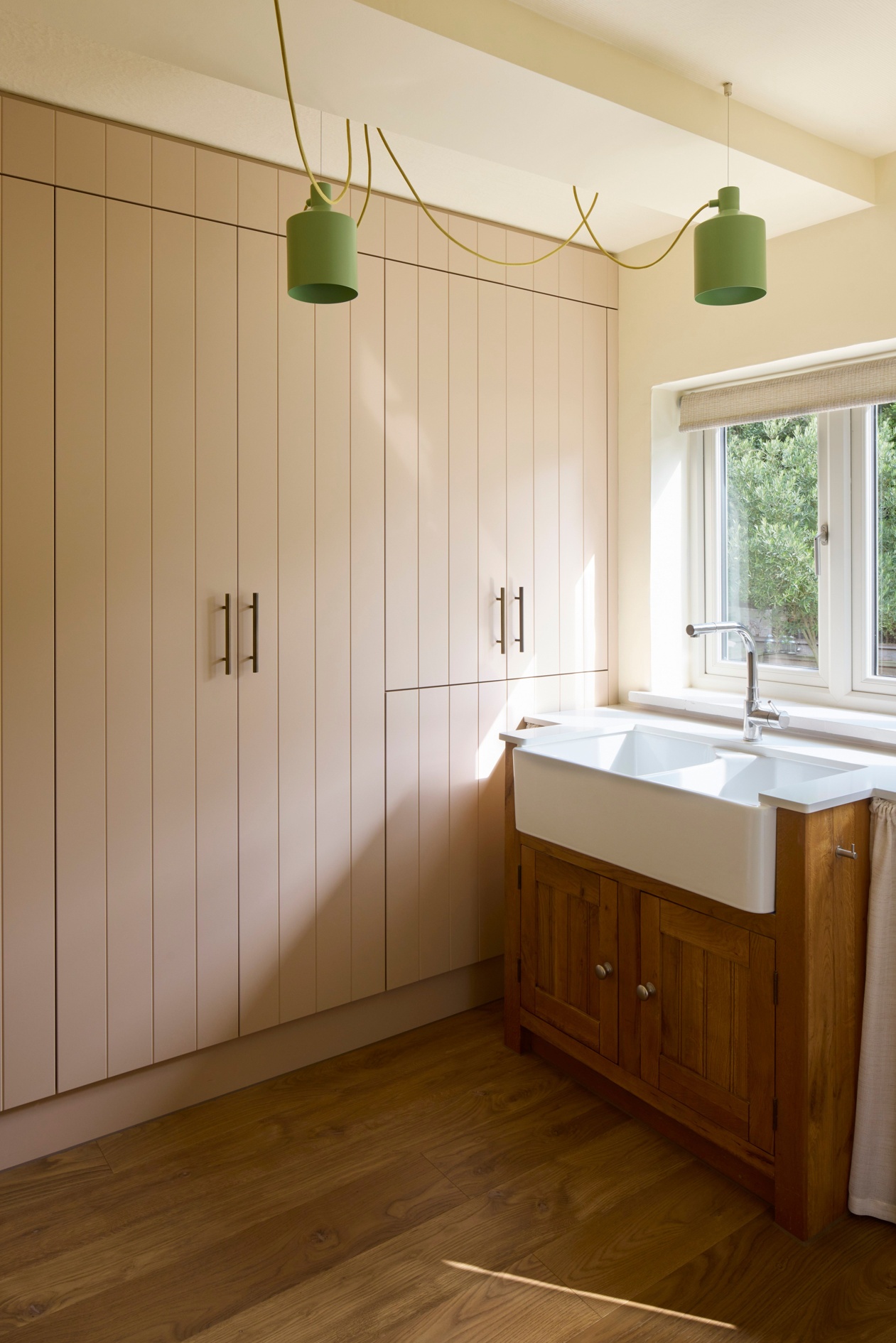
A wood floor should flow through your home to create a calm, cohesive feel. It’s perfectly fine to change surfaces in bathrooms, utility rooms or kitchens, but mixing different wood species or colours throughout one home can make spaces feel smaller and disconnected. In my opinion, the only time mixing works brilliantly is when it’s done intentionally, such as in a parquet design, where contrast can be very effective.

About Urbane Living

Stockist details