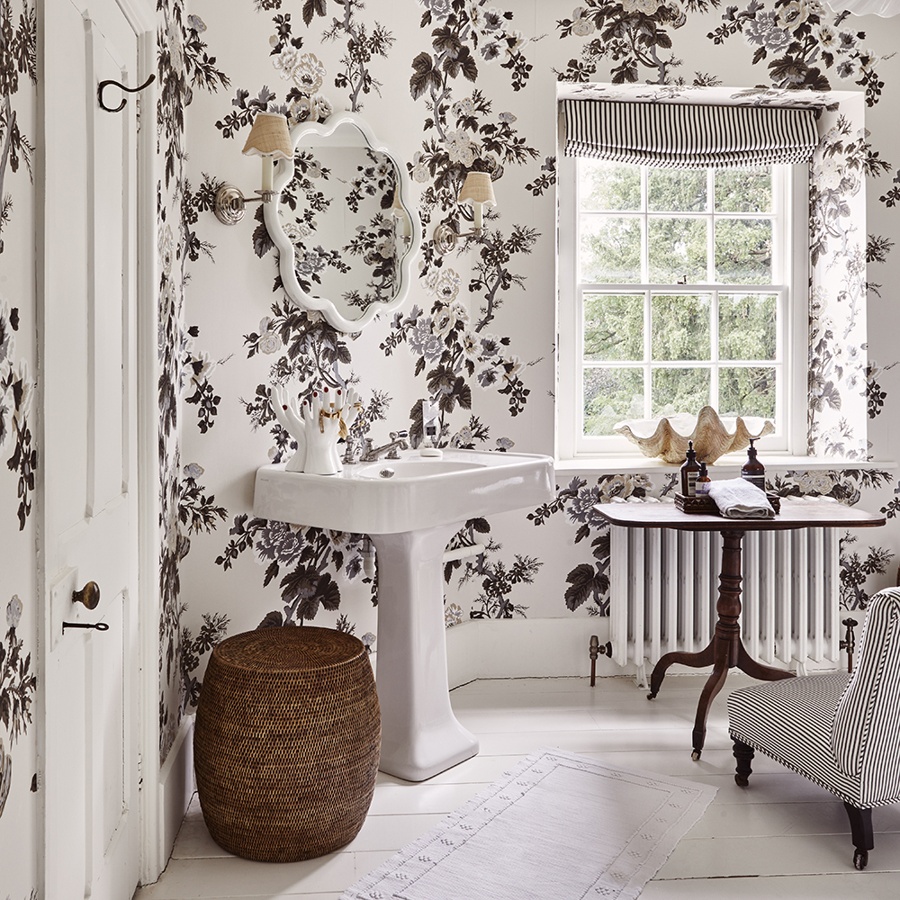
Casa by JJ is proud reveal more about their Rattan Collection


Rattan has become one of the defining materials of the contemporary British interior. It appears on tables, shelves, and sideboards across the country — featured in House & Garden, Homes & Gardens, and the interiors pages of every Sunday supplement. What those publications rarely mention, and what Casa by JJ is making it its business to say plainly, is that the vast majority of what is sold as rattan today is not rattan at all.


It is synthetic fibre, or cheaply processed cane, worked by machine at speed, with wide gaps and a plastic sheen, It looks similar from a distance. It does not bear looking at closely. And it does not, feel like the real thing.


The test is simple: run a finger across the surface. Real rattan — woven by hand, strand by strand, from a tradition passed through generations of craftswomen in the Irrawaddy Delta of Myanmar — has no wide gaps. The weave is tight, dense, and even. The surface has a solidity that the synthetic version cannot replicate because the synthetic version was never designed for the long term.

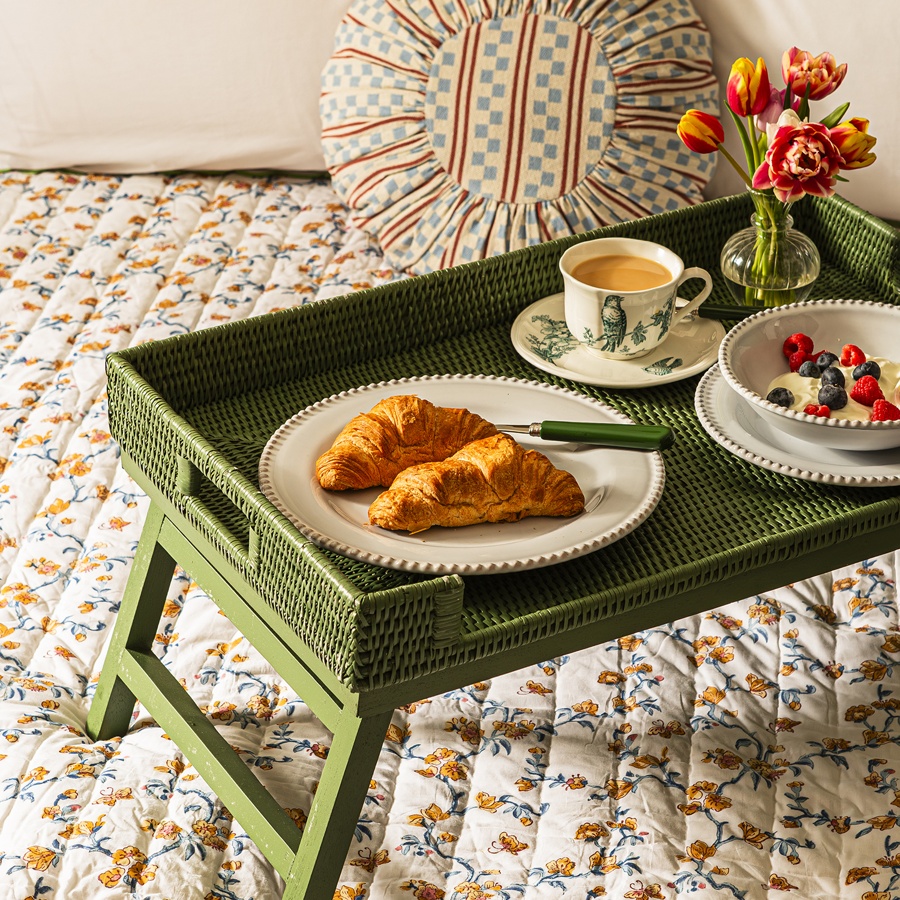
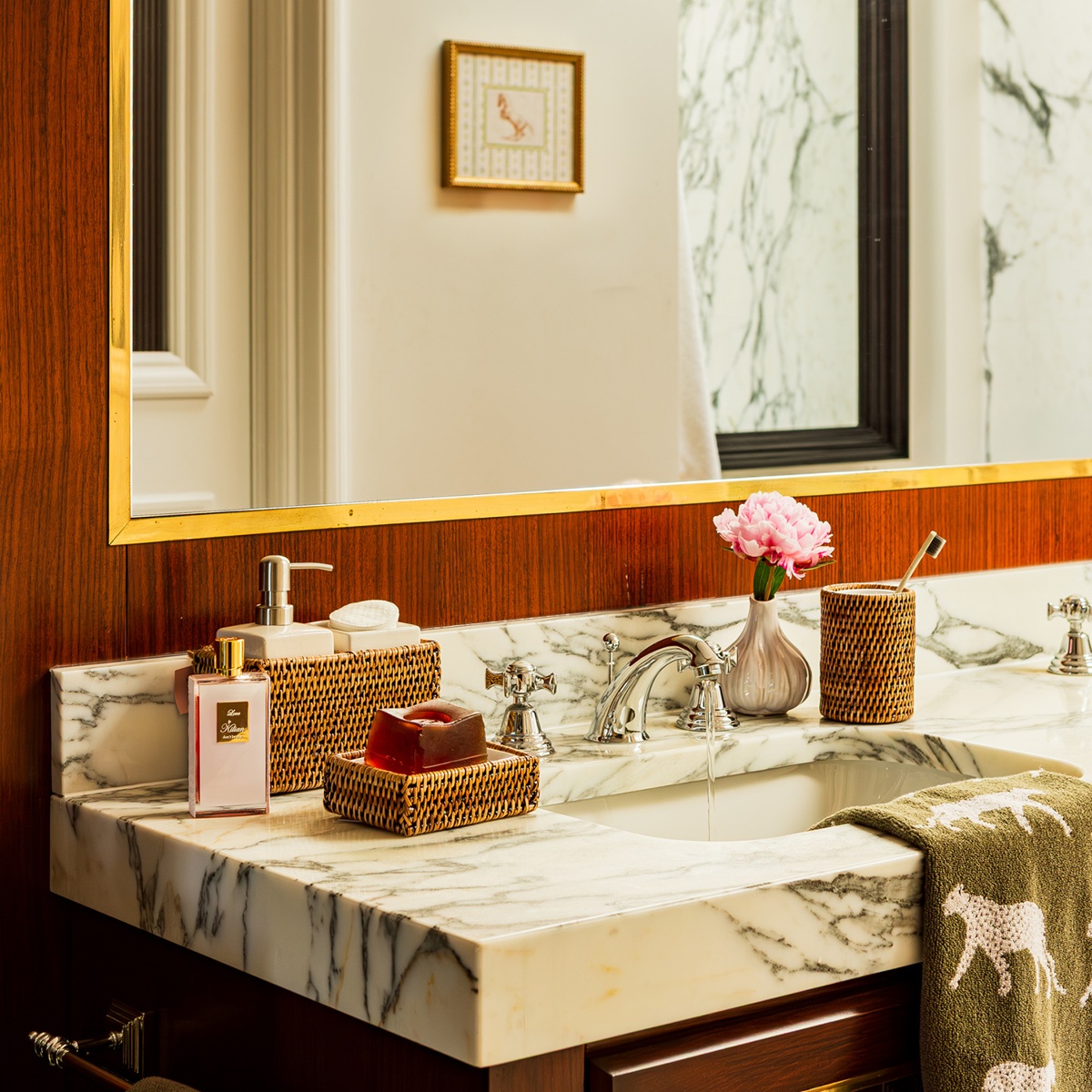
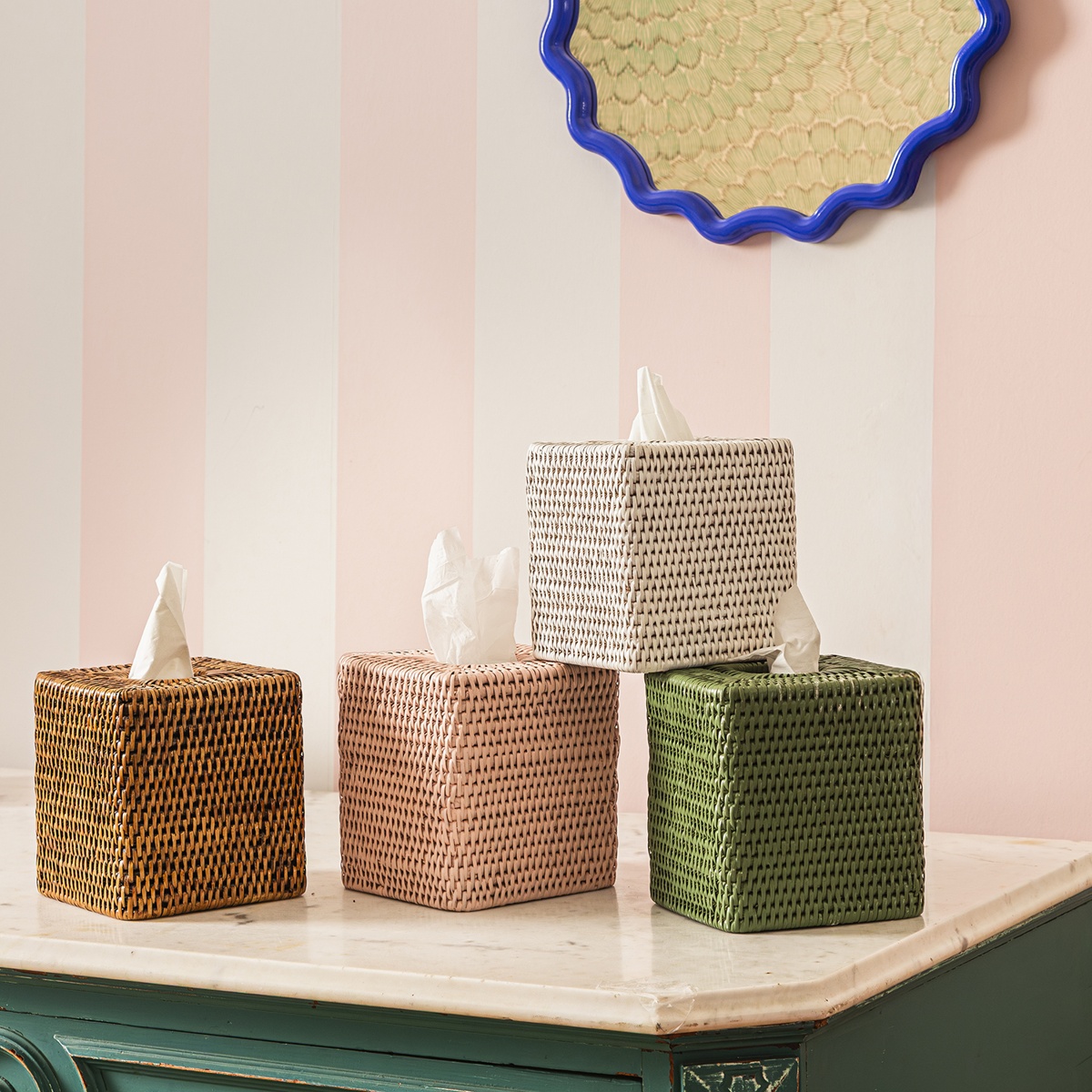
“We started the rattan conversation at Casa by JJ because we found the real thing and couldn't look away. What the weavers in Myanmar produce is categorically different from what fills the market. It deserves to be known as such.”


Each rattan charger produced for Casa by JJ takes between two and seven days to complete. A single craftswomen, working from memory and from a weaving tradition specific to her community in the Irrawaddy Delta, has learned the craft, passed down through the generations.


The result is a weave so tight and so consistent that the surface has a density to it — a weight when held, a solidity when used — that is the direct product of the time and skill invested. There are no shortcuts available. No version of this process that takes forty minutes instead of forty hours produces the same object.


Beyond the physical quality of the piece, the rattan carries something that is more difficult to quantify and more important to name. The Japanese have a word for it — monozukuri, the art of making things — and it refers to the quality that a genuinely hand-made object carries into a space. The rattan piece, once it is in a room, brings warmth. Not the warmth of colour or texture alone, but the warmth of something that was made slowly, by someone who knew what they were making. Set a plate down on one and the table feels grounded in a way it did not before. That quality cannot be manufactured. It can only be made.


Every piece sold carries a provenance card naming the workshop, the region, and the partnership. Casa by JJ believes that where something comes from is part of what it is — and that this information belongs in the hands of the person who buys it.


“The craftswomen of the Irrawaddy Delta have been weaving this way for generations. Our job is simply to make sure the world knows their names — and knows the difference between what they make and what fills the shelves elsewhere.”


— Josephine Jenno, Founder, Casa by JJ


About Casa by JJ

Founded by Josephine Jenno in 2023, Casa by Josephine Jenno has built its reputation on sourcing and designing exceptional heritage artisan products that bring timeless elegance and craftsmanship to modern homes. The brand's carefully curated collection features pieces that tell stories of traditional craftsmanship while meeting English contemporary design sensibilities. We're proud to be sustainable and 3 x carbon positive.

Stockist details