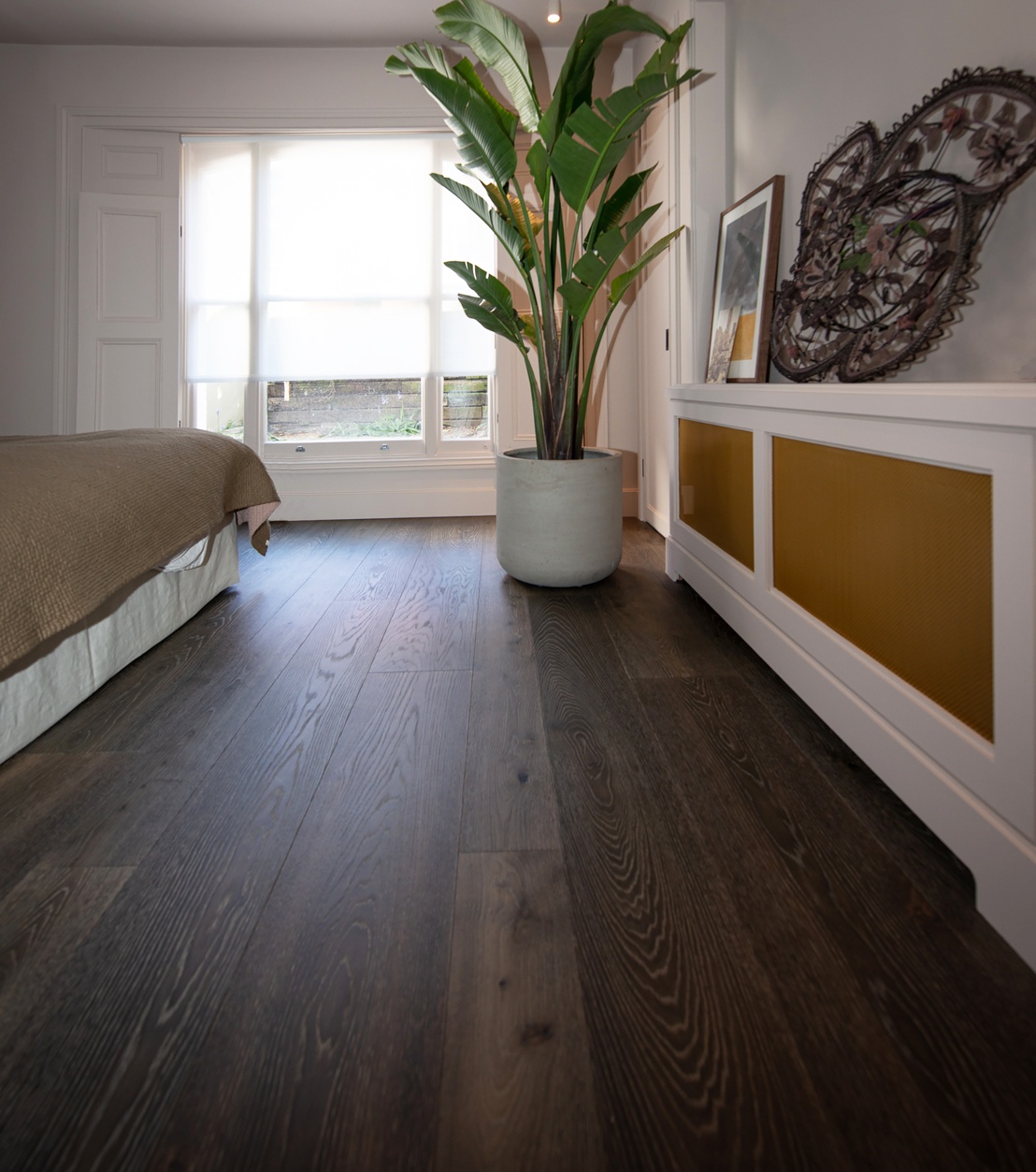
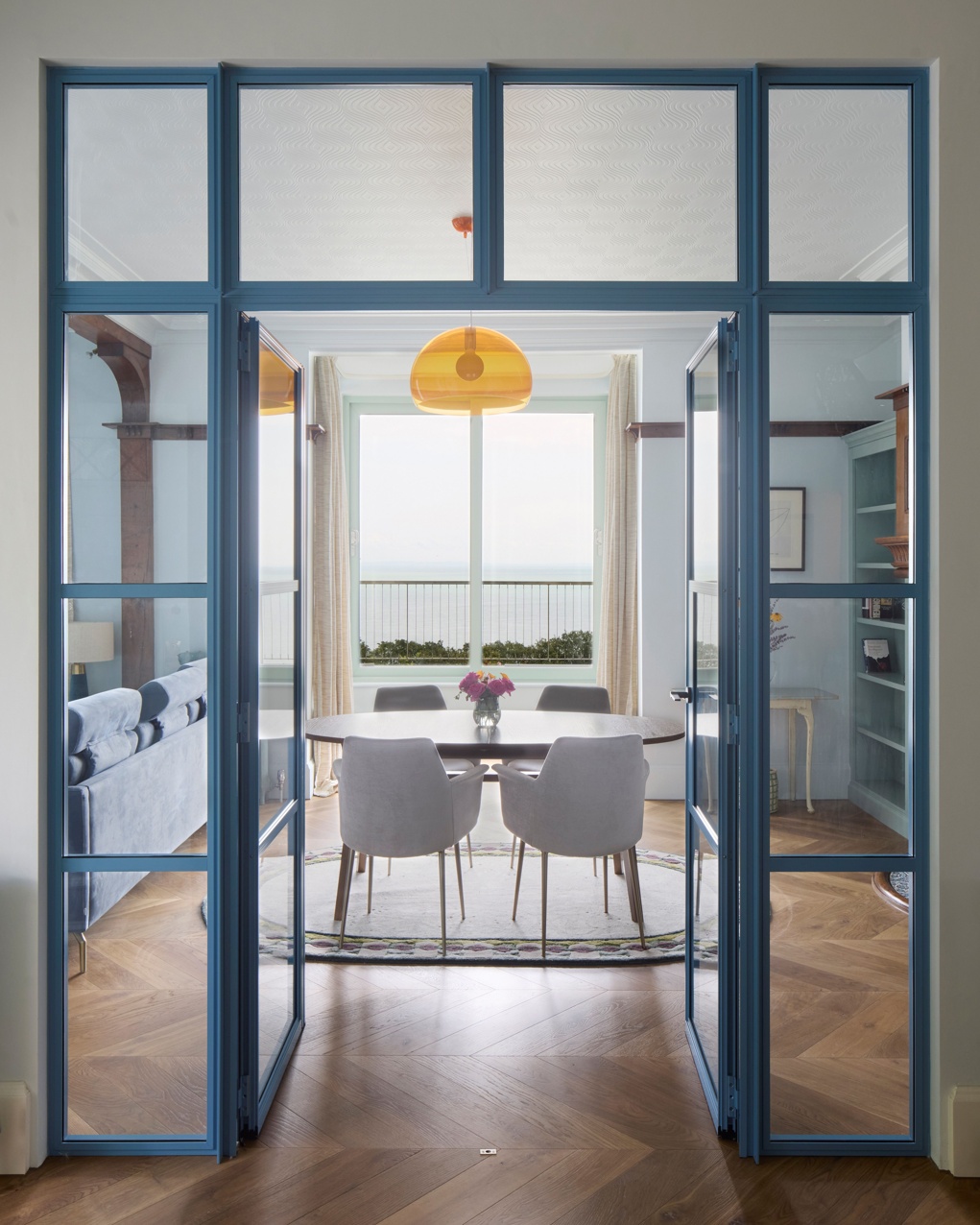
The Most Common Engineered Flooring Questions Answered

Engineered wood flooring remains one of the most popular choices for homeowners looking to combine timeless style with everyday practicality. But what exactly is engineered flooring, and is it the right choice for your home?

Adam Robertson, Founder and Managing Director at Urbane Living, answers some of the most common questions surrounding engineered flooring, from durability and installation to underfloor heating and maintenance.

Q: What is engineered wood flooring?

Engineered wood flooring is made using a real hardwood top layer bonded to a stable multi layered core. This construction gives you the beauty and character of natural timber, while offering improved stability compared with solid wood. It is an excellent option for modern homes where temperature and humidity levels can fluctuate.

Q: Is engineered flooring durable enough for busy family homes?

Absolutely. High quality engineered flooring is designed to cope well with everyday life, making it ideal for hallways, kitchens and living spaces. The key is choosing a well made product with a quality wear layer and durable finish. A lacquered finish can offer strong protection against day to day scuffs, while oiled finishes can make spot repairs easier over time. With the right care, engineered wood flooring can last for many years and age beautifully.

Q: Can engineered flooring be sanded and refinished?

In many cases, yes, although this depends on the thickness of the real wood wear layer. Premium engineered boards with thicker top layers can often be sanded and refinished 2-3 times, which extends the life of the floor considerably. This is one of the reasons engineered flooring is often considered a long term investment.

Q: Is engineered flooring easier to install than solid wood?

Engineered flooring is generally more straightforward to install because it is designed for greater dimensional stability. Depending on the product and subfloor, it may be glued down, floated or secret nailed. Preparation is key though, as the subfloor must be dry, level and suitable before installation begins.


Engineered wood flooring also typically requires far less acclimatisation time than solid wood, which can make a significant difference on projects with tighter timelines. Solid timber is much more reactive to changes in temperature and humidity, so it often needs considerably longer to adjust to its environment before installation can begin. Professional fitting is always recommended, as even the best flooring will only perform as well as it is installed.


Q: Is engineered wood flooring suitable for underfloor heating?

Engineered flooring is usually the preferred timber option for use with underfloor heating. Its layered construction helps reduce movement caused by changes in temperature. That said, product specification is important. Always choose boards that are approved for use with underfloor heating and ensure the system is commissioned correctly, with gradual temperature changes. Done properly, it is an excellent combination of comfort and style.


The golden rule with engineered wood flooring and underfloor heating is to ensure the floor temperature does not exceed 27°C. It is also generally better to keep the heating running at a consistently low temperature, rather than making sudden adjustments, as this helps maintain a stable room temperature and reduces stress on the timber.

Q: Can engineered flooring be used in kitchens?

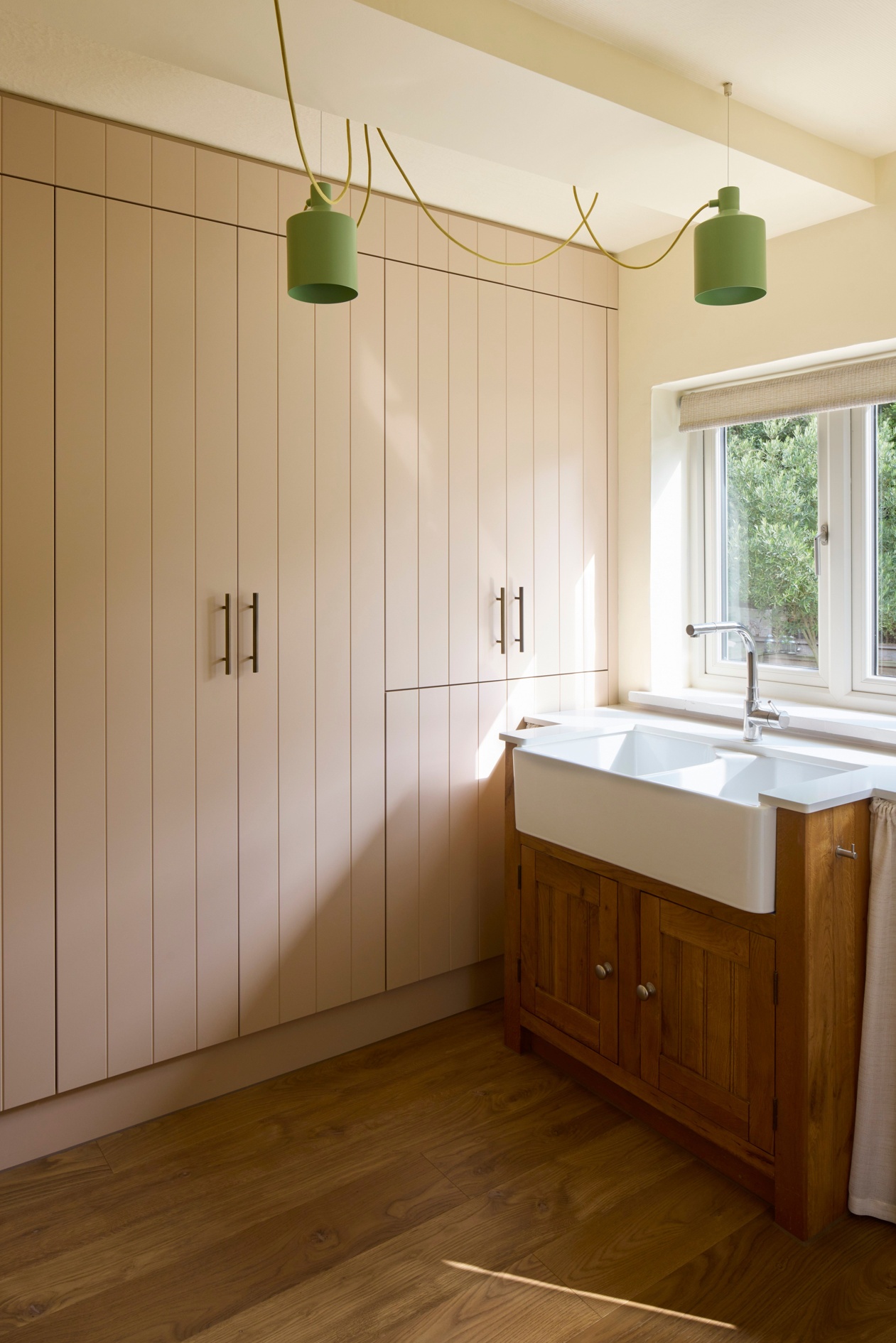
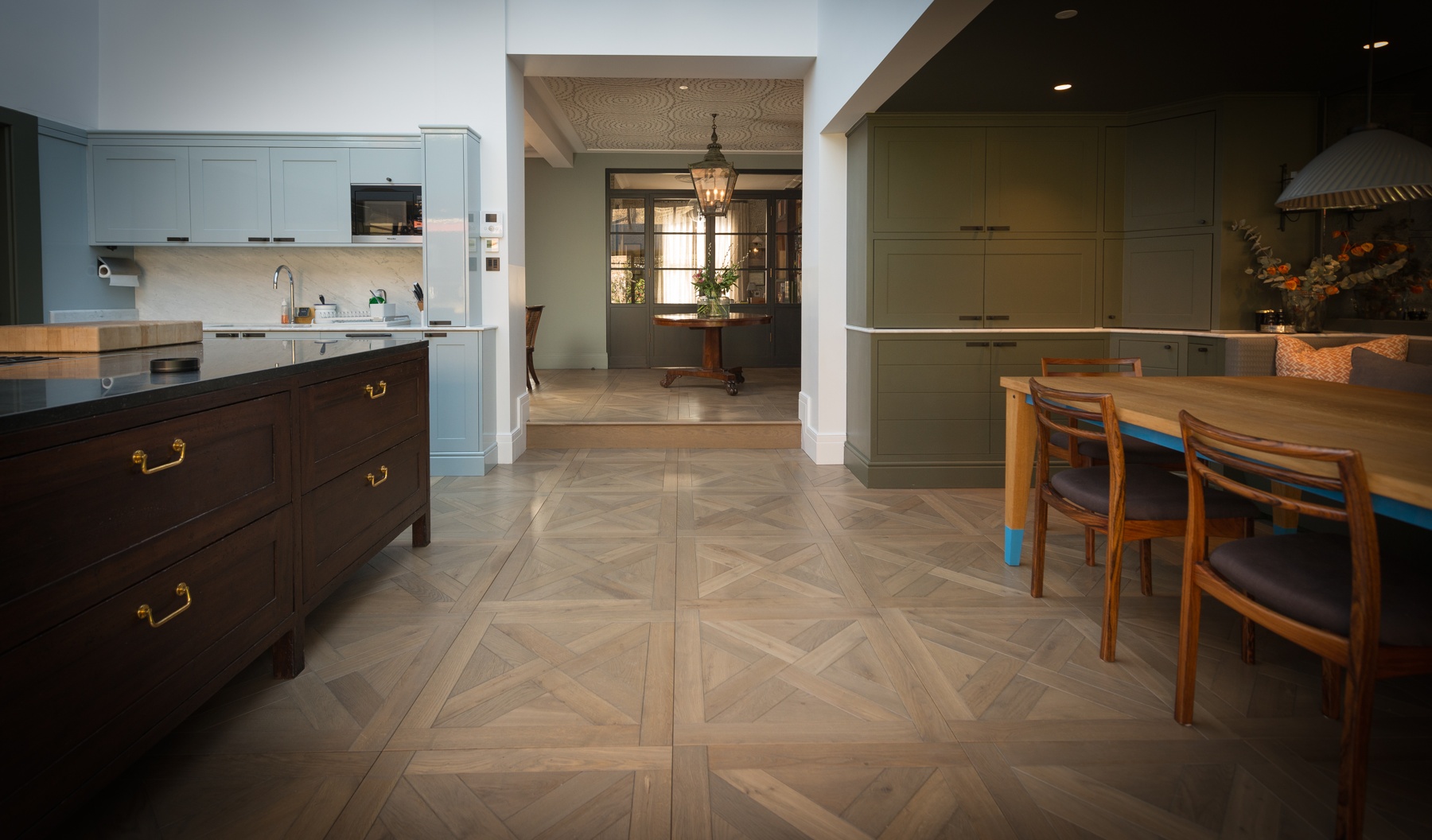
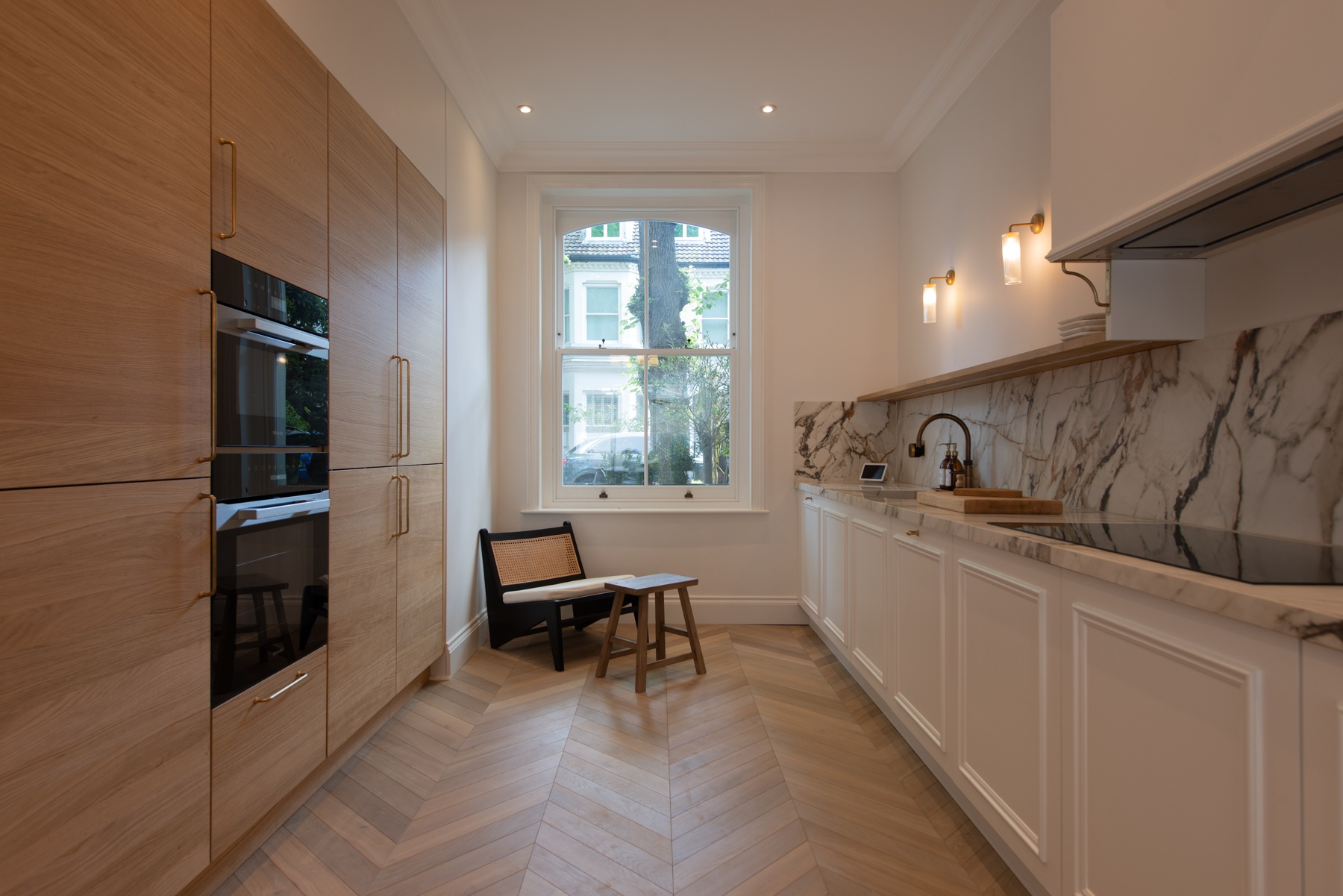
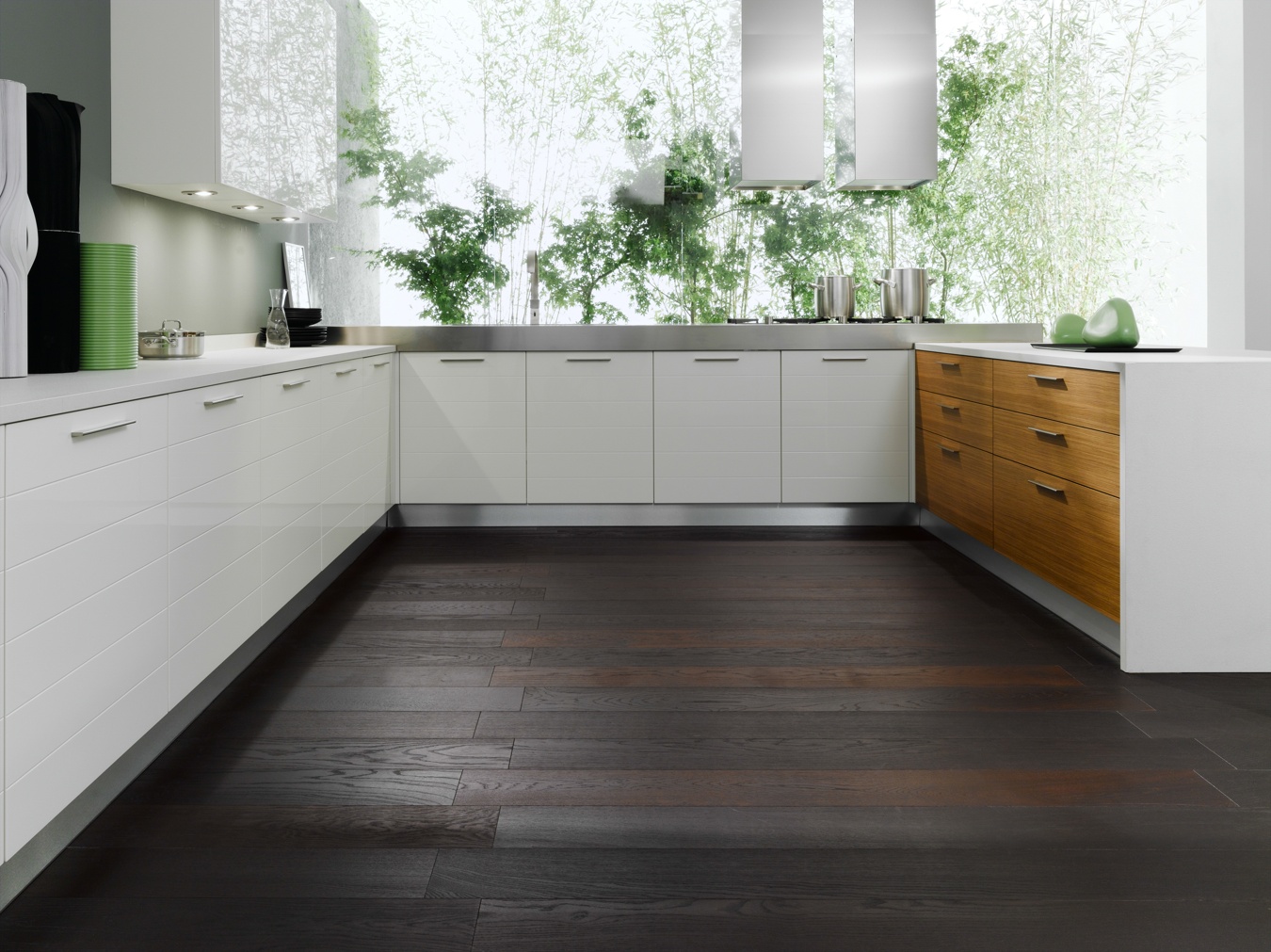
Yes, engineered wood can work beautifully in kitchens, particularly in open plan spaces where continuous flooring helps create flow. Spills should always be wiped up promptly, and it is sensible to use mats in high splash areas, but good quality engineered flooring performs very well in these environments.

Q: How should homeowners maintain engineered wood flooring?

Maintenance is relatively simple. Regular vacuuming or sweeping will remove grit that can cause surface abrasion. Use a damp mop rather than excessive water, and always choose cleaning products recommended for your floor’s finish. Felt pads under furniture and entrance mats will also help protect the surface. With the right care, engineered flooring only improves with age.

Q: What should buyers look for when choosing engineered flooring?

It is always worth looking beyond colour alone. Consider the board construction, wear layer thickness, finish, grade of timber, and whether the product is suitable for your lifestyle and heating system. Investing in quality from the outset almost always delivers better long term value.

About Urbane Living

Stockist details