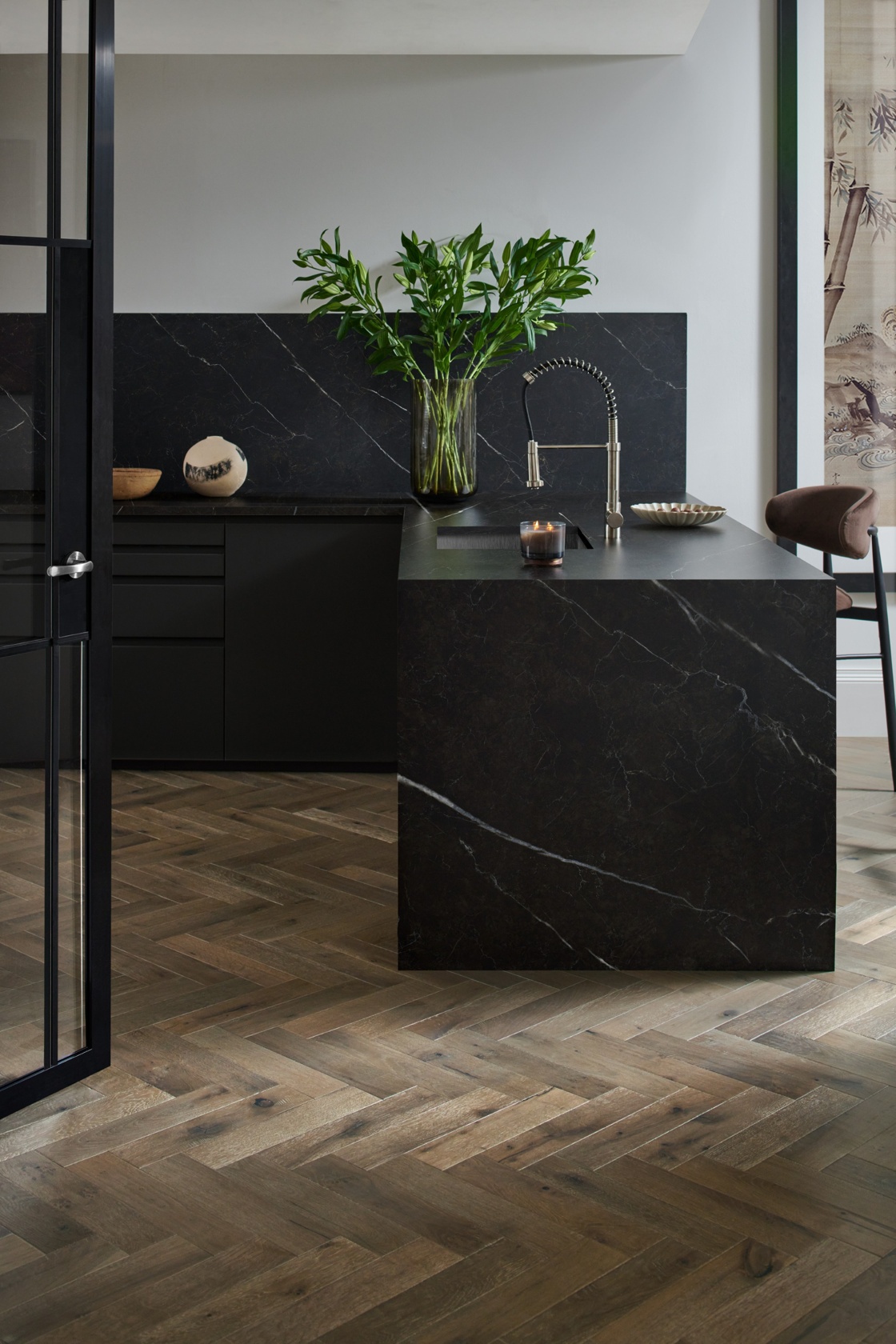
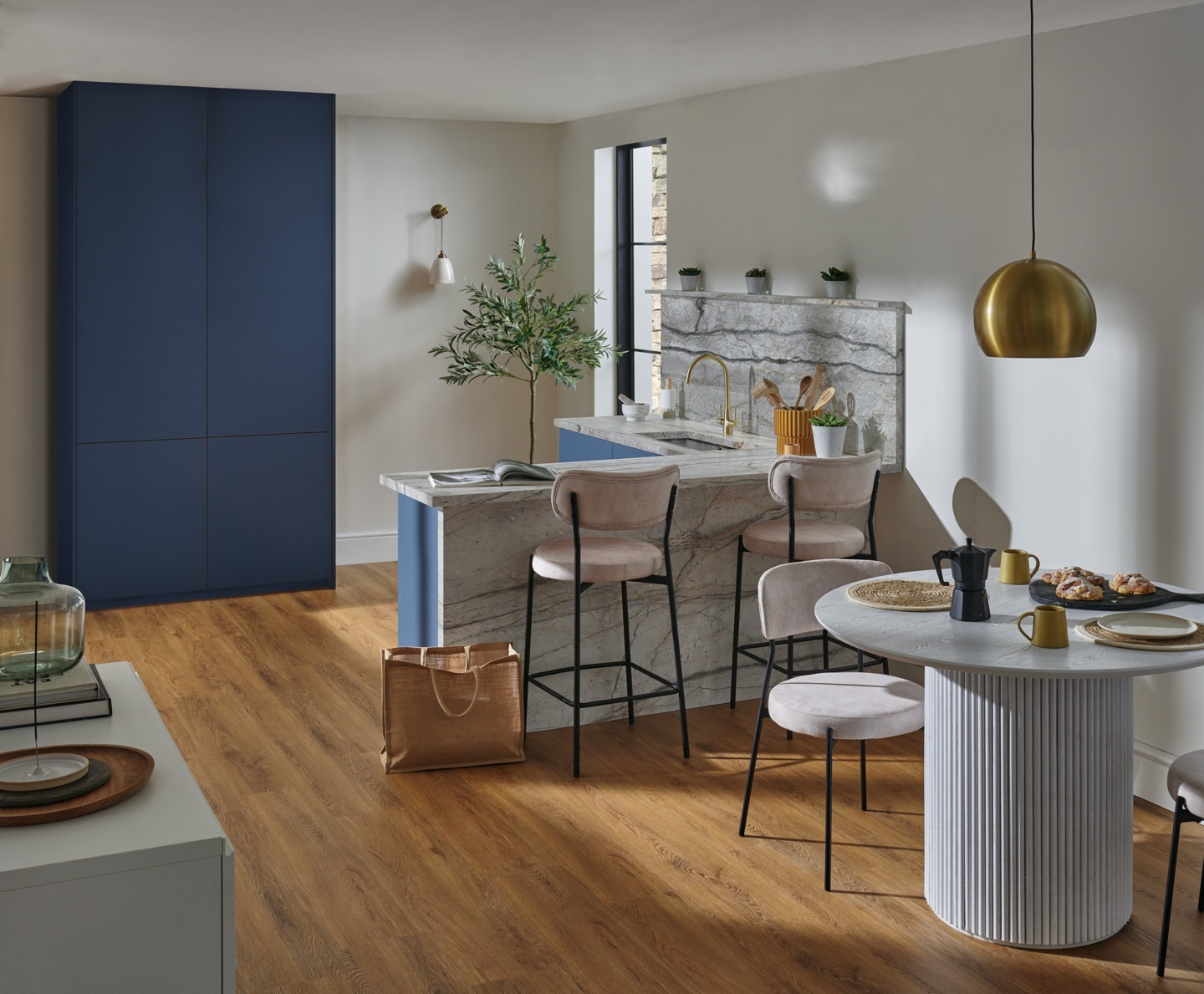
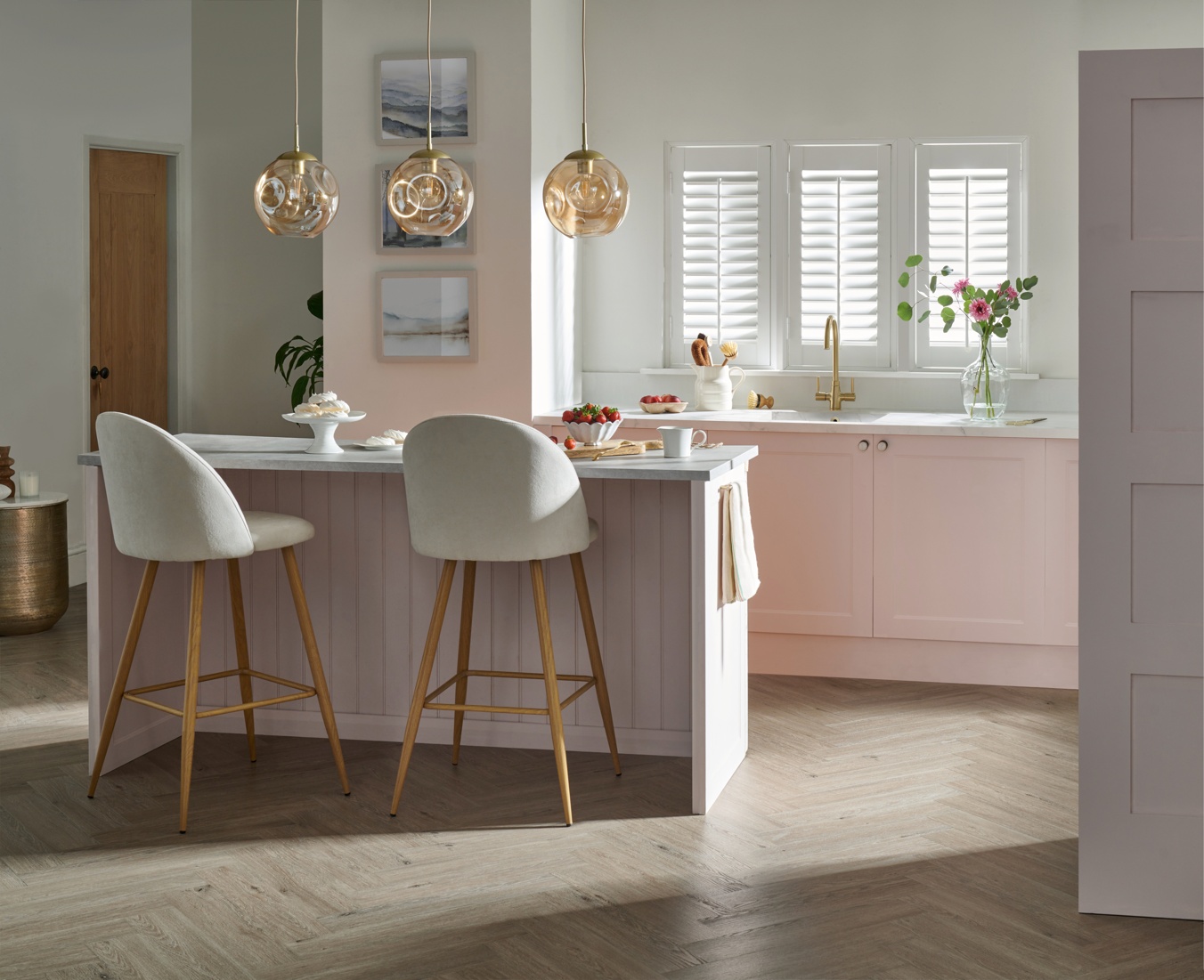
Wood flooring has become one of the most desirable design options for kitchens, but homeowners are being warned that product choice, preparation and aftercare are key to making it work in the busiest room of the home.
Family-run wood flooring specialists Woodpecker Flooring say wood flooring can be a beautiful and practical choice for kitchens, bringing warmth, texture and timeless character to the heart of the home. But they warn that kitchens place very specific demands on flooring, from spills and humidity to heavy footfall.
Which is why their experts are sharing their industry knowledge with homeowners looking to upgrade their kitchen flooring.
Darwyn Ker, Managing Director of Woodpecker Flooring, said: “Wood flooring can be a beautiful choice for kitchens, but it is important to remember they work harder than almost any other room in the home. They are busy, practical spaces where floors have to cope with footfall, spills, changes in temperature and the weight of cabinets and appliances.
“The key is choosing the right floor and making sure it is installed properly. In most homes, engineered wood flooring is the best option for kitchens because it offers greater stability in changing conditions. A kitchen wood floor should never be treated as an afterthought at the end of a renovation.”
Darwyn shares four key considerations for homeowners before installing wood flooring in a kitchen:
Flooring choice
The kitchen demands a floor that is durable and moisture-resistant, especially in heavier wear areas such as in front of the kitchen sink or where the hob is placed.
Darwyn recommends a floor with minimal stain or colouring.
Darwyn said: “For kitchens, durable engineered wood floors with a high-quality protective finish are often the best choice. Natural or lightly toned finishes can also be more forgiving, as they tend to show scratches and everyday wear less readily than heavily stained or very dark floors."
Preparation
A beautiful wood floor starts long before the first plank is fitted. In a kitchen, it is especially important to make sure the surface underneath is clean, dry and level, as any unevenness or trapped moisture can affect how the floor performs over time.
The flooring should be acclimatised according to the manufacturer's instructions, typically for at least 48 to 72 hours before installation, allowing it to adjust to the room's temperature and humidity levels.
Wood is a natural material, so it can expand and contract slightly with changes in the room. Leaving a small expansion gap around the edges gives the floor room to move and helps prevent problems later.
Homeowners should also make sure the correct underlay or adhesive is used for their chosen floor, as this can make a big difference to the finish, comfort and long-term durability.
Every day considerations
A kitchen floor has to cope with much more than people walking across it. Spills, heat, heavy appliances, dining chairs, pets and busy family life can all take their toll, so it is worth planning the details carefully before installation.
In many cases, particularly with floating floors, kitchen cabinets should be installed before the flooring is laid. However, installation methods vary, so homeowners should always follow the flooring manufacturer's guidance.
Homeowners should also think about the direction of the planks. Laying them in line with the main source of natural light can help create a smoother, more spacious feel and make the room look more cohesive.
Darwyn said: “Small protective measures can make a big difference too. Felt pads under furniture and appliances can help prevent dents and scratches, while mats near sinks and dishwashers can catch everyday splashes before they reach the floor.”
And finally
Wood flooring in a kitchen looks beautiful and can last for decades when properly cared for.
Darwyn added: “Keep the space well ventilated, use an extractor fan while cooking and open windows when possible to control moisture. A tiled hearth around traditional floor-mounted ovens adds extra protection, and wiping spills immediately will help preserve the finish.
“With these habits, your kitchen truly remains the heart of the home.”
Woodpecker Flooring’s options for kitchen flooring are available now, with prices starting at £40 per m2.



 Contact PR team
 Visit press office