The Kitchen Lighting Mistakes to Avoid and the Design Tricks That Make a Difference

James Kendall, Operations Director at KES Lighting and Home, shares his expert advice on using lighting to create a kitchen that feels welcoming, functional and beautifully balanced.

When do you need to consider the placement of lights as part of a new kitchen project?

Lighting placement should be considered from the very beginning of a kitchen project, ideally during the planning stage. This ensures that essential elements such as wiring, switches and power sources are positioned correctly before the installation of cabinetry and appliances. When lighting is planned in advance, it becomes an integral part of the kitchen’s functionality and design rather than an afterthought. A well thought out lighting plan allows for balanced illumination throughout the space and helps avoid costly modifications later in the project.

What are the latest trends in kitchen lighting design?

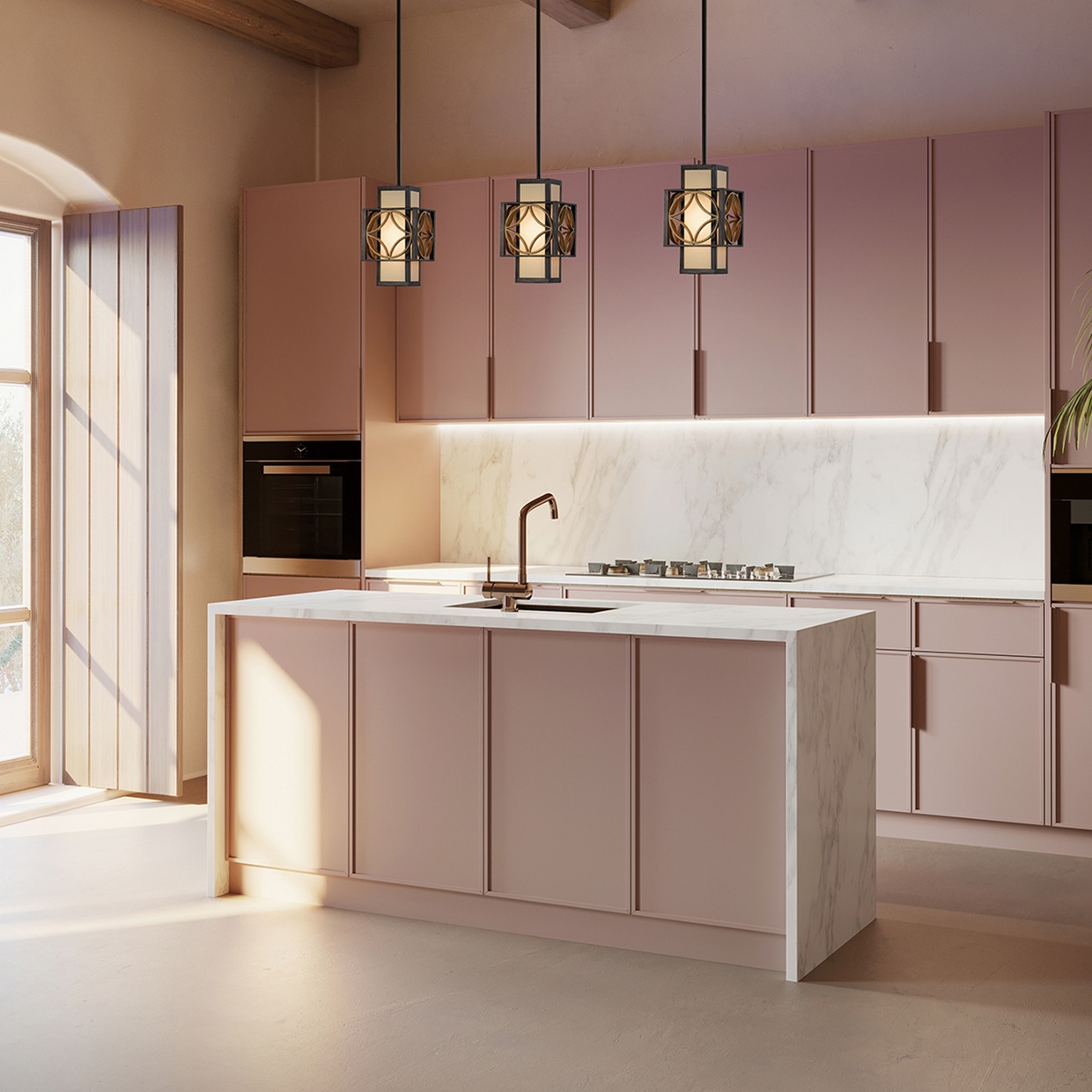
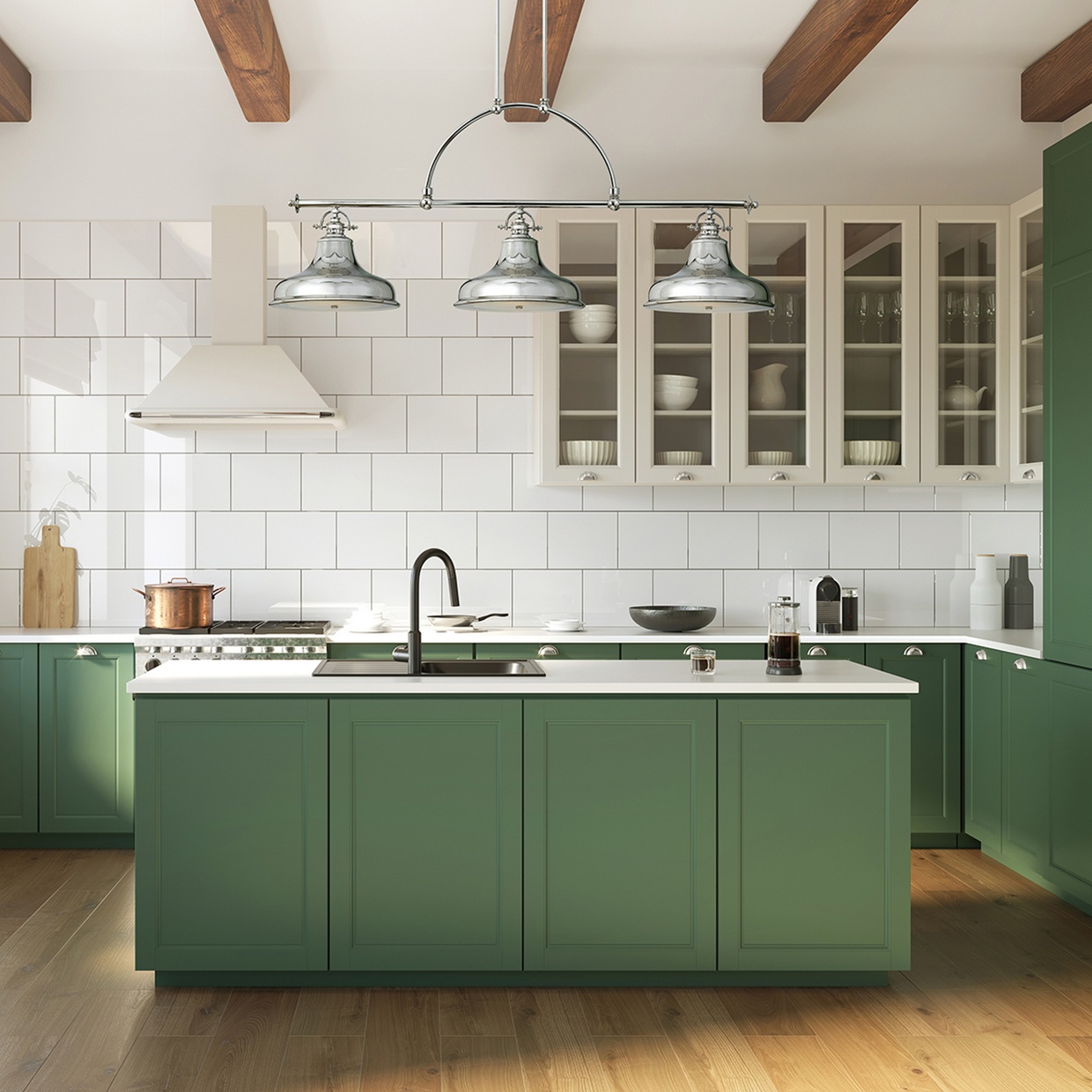
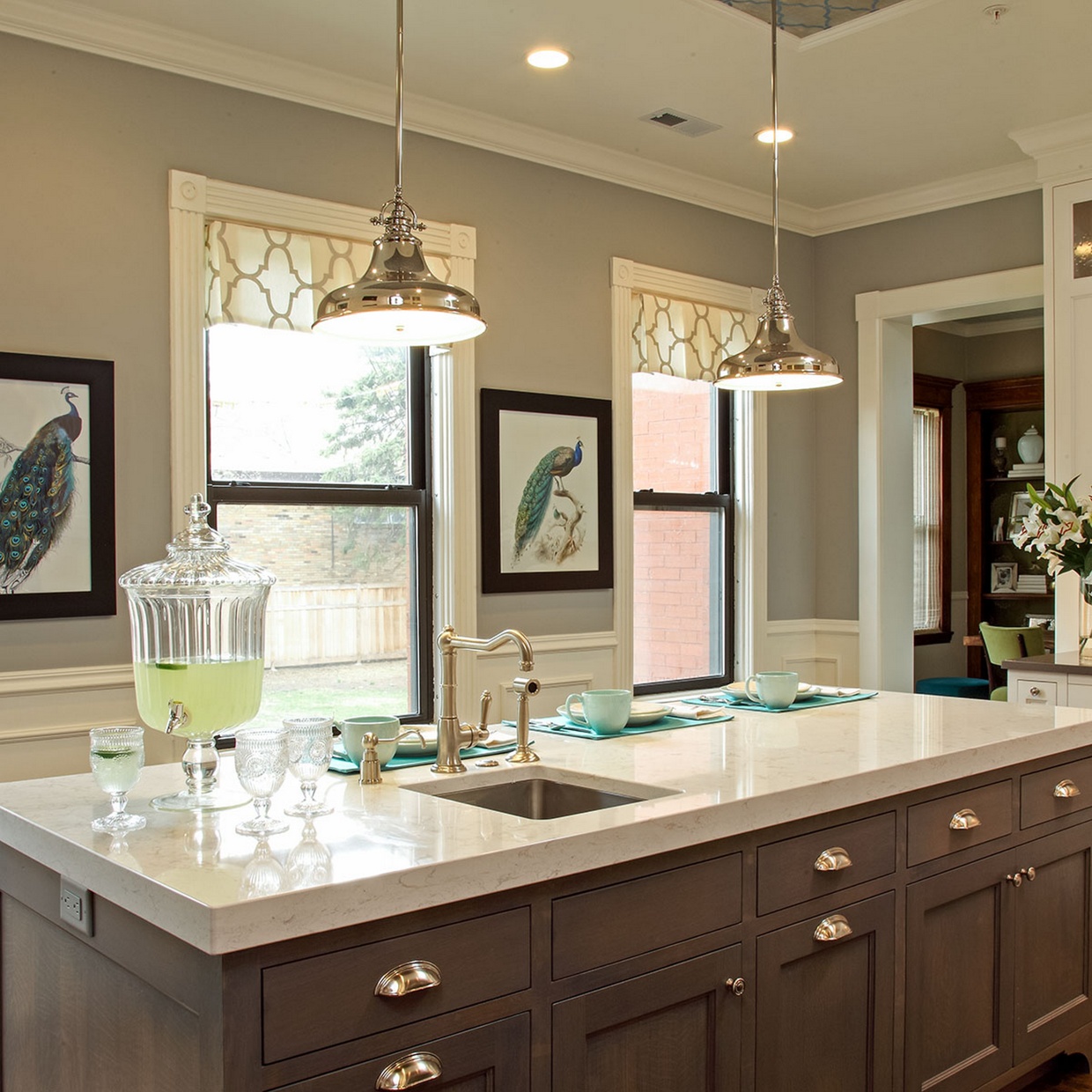
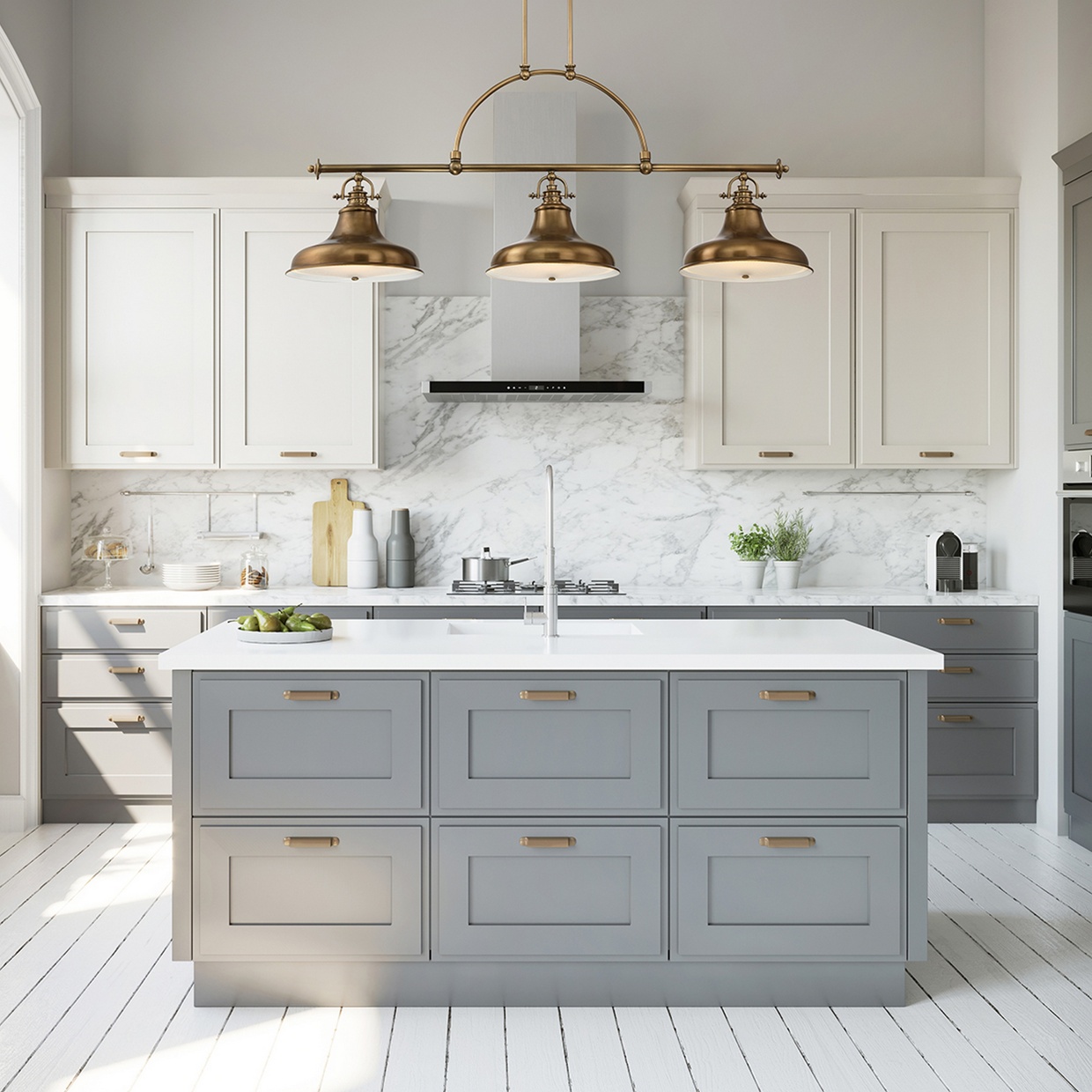
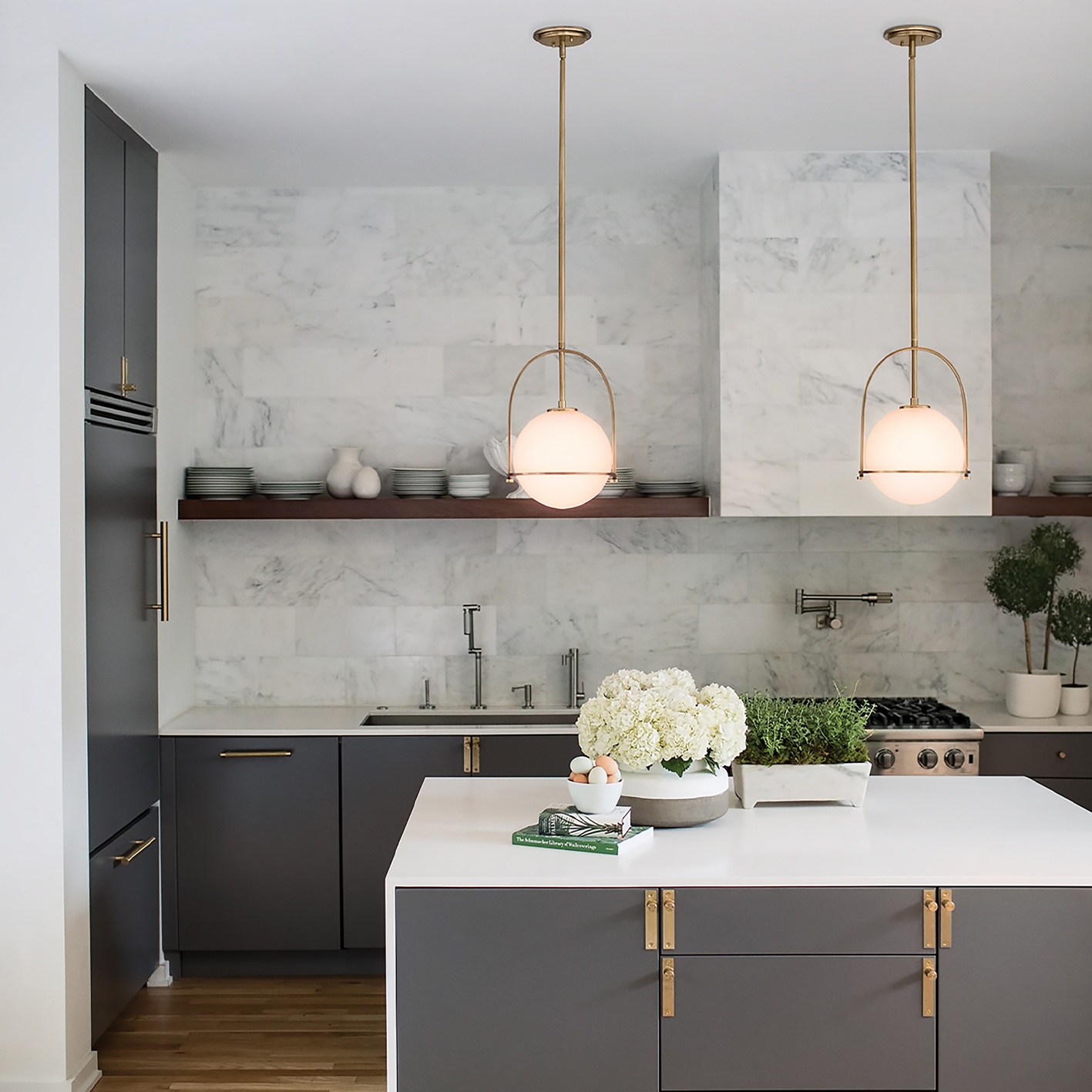
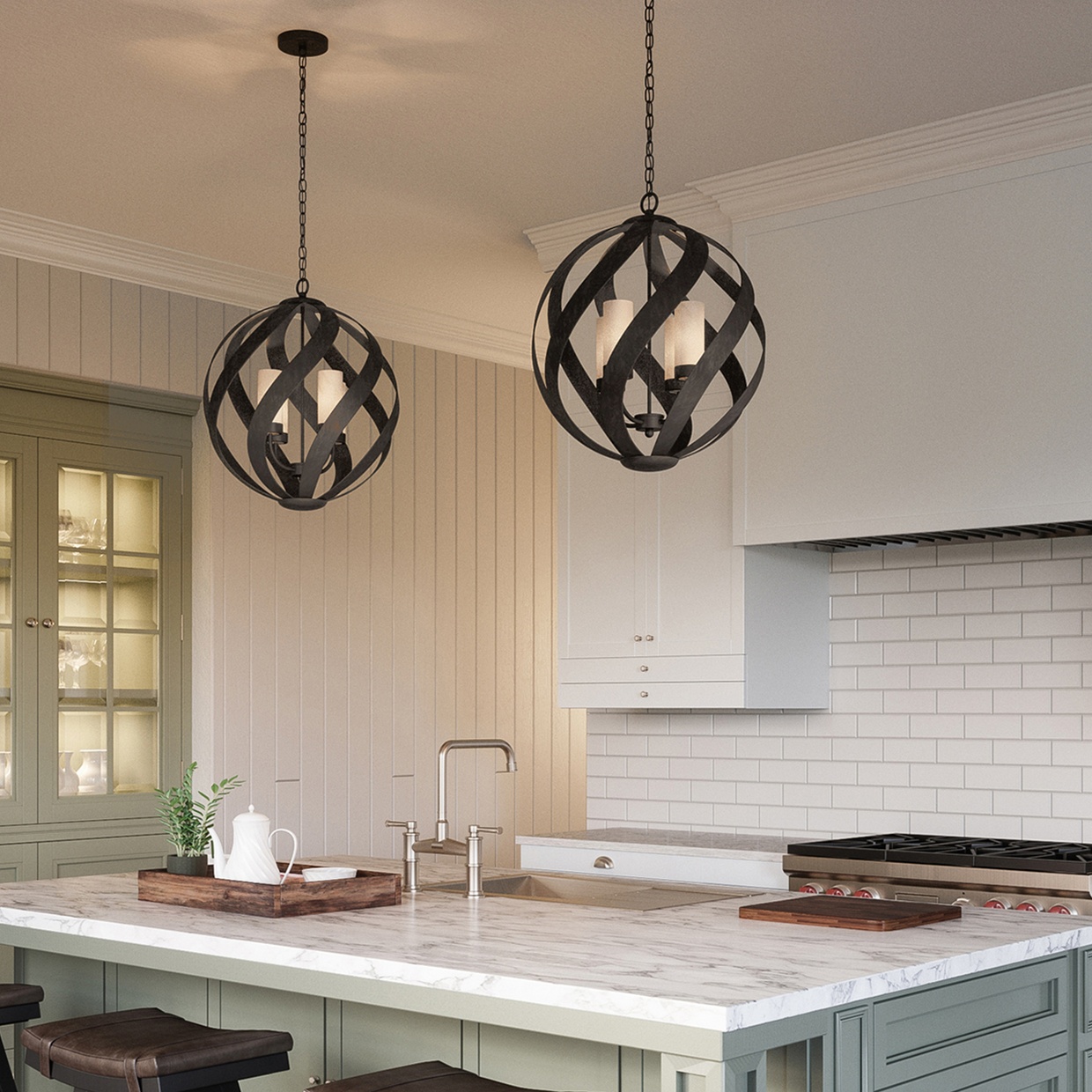
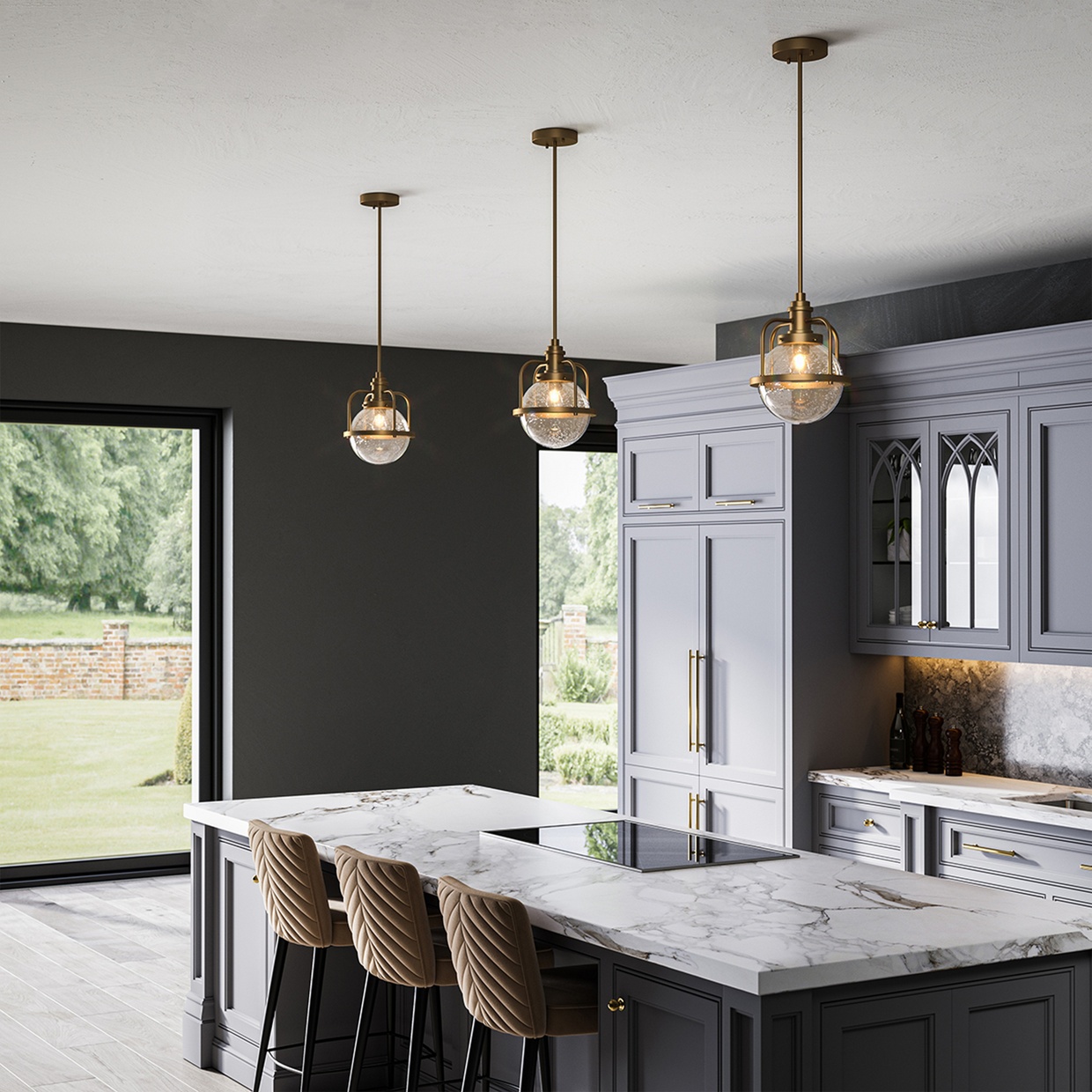
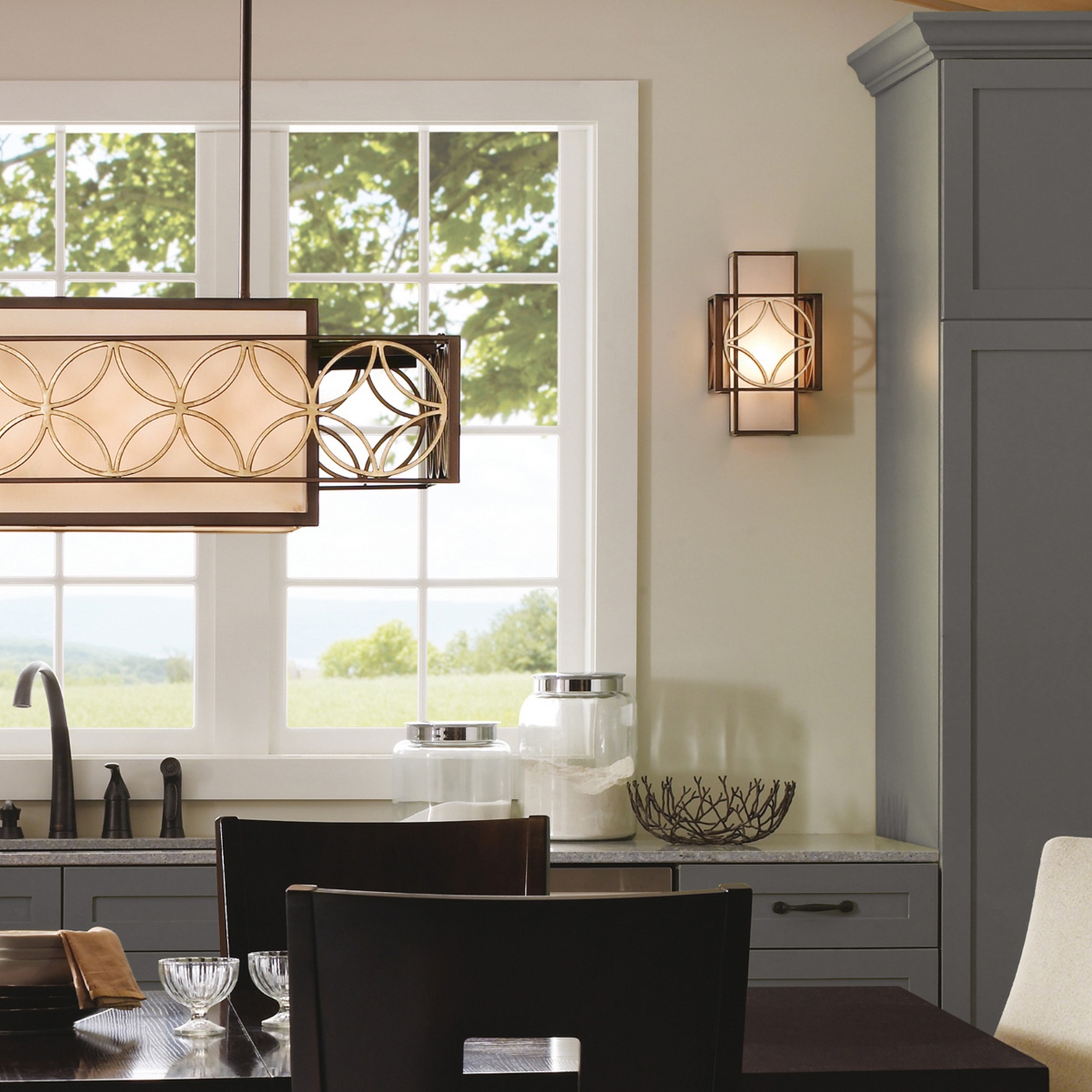
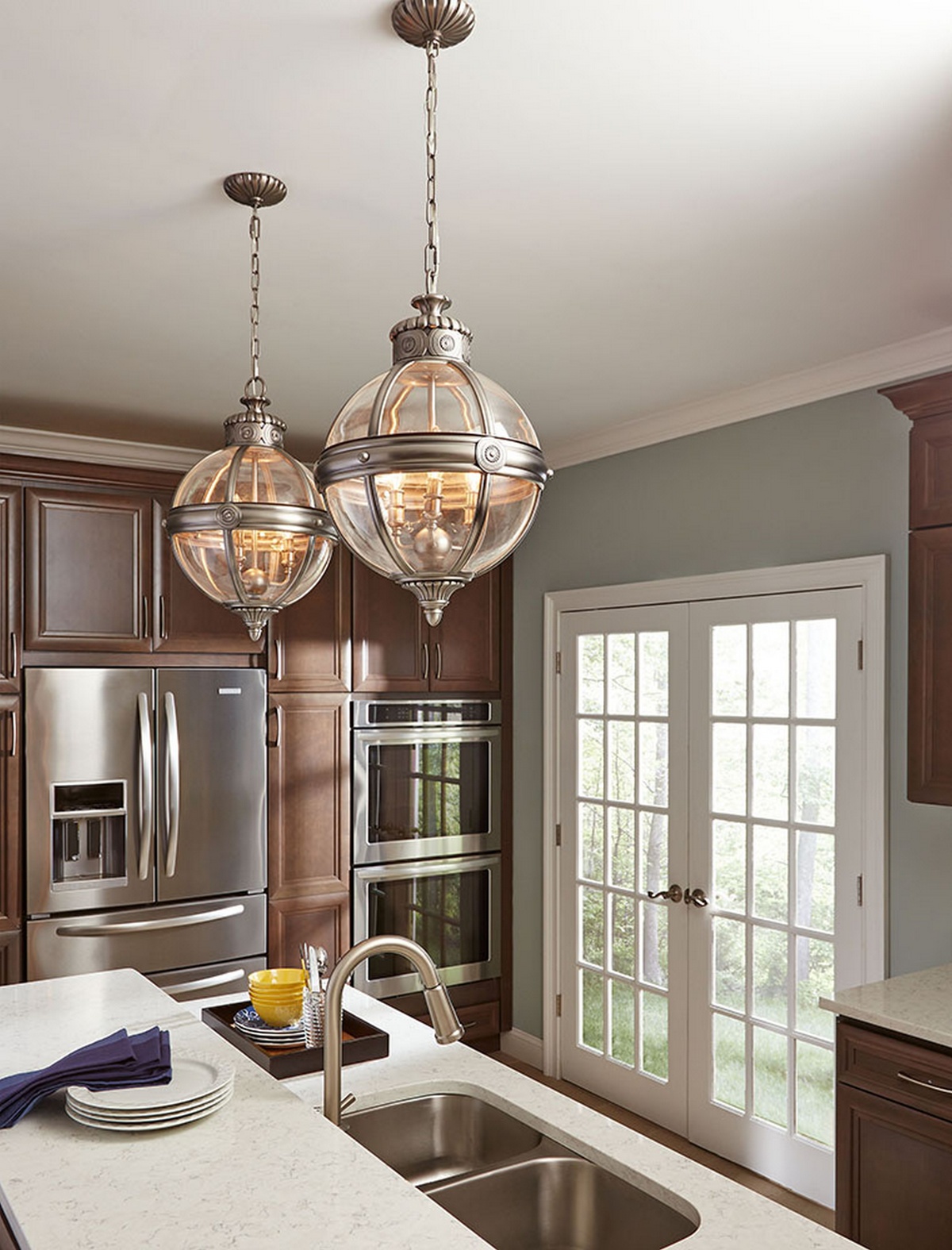
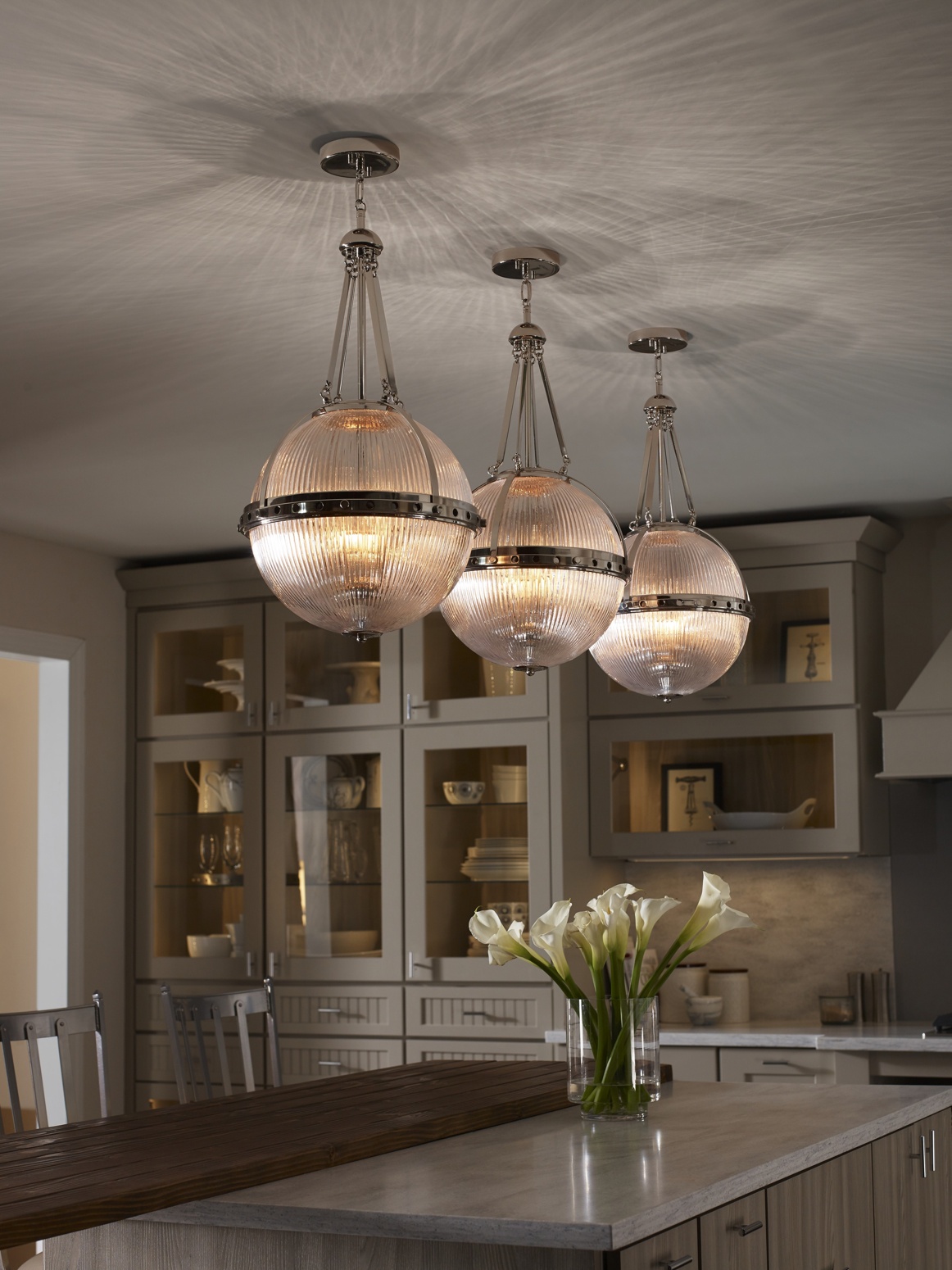
As the kitchen has evolved into the heart of the home, lighting design is becoming more layered, functional and visually striking. One of the most prominent trends is the use of statement pendant lighting, where oversized pendants or clusters of lights above kitchen islands create a striking focal point. These not only provide effective task lighting but also contribute to the overall style and personality of the space.

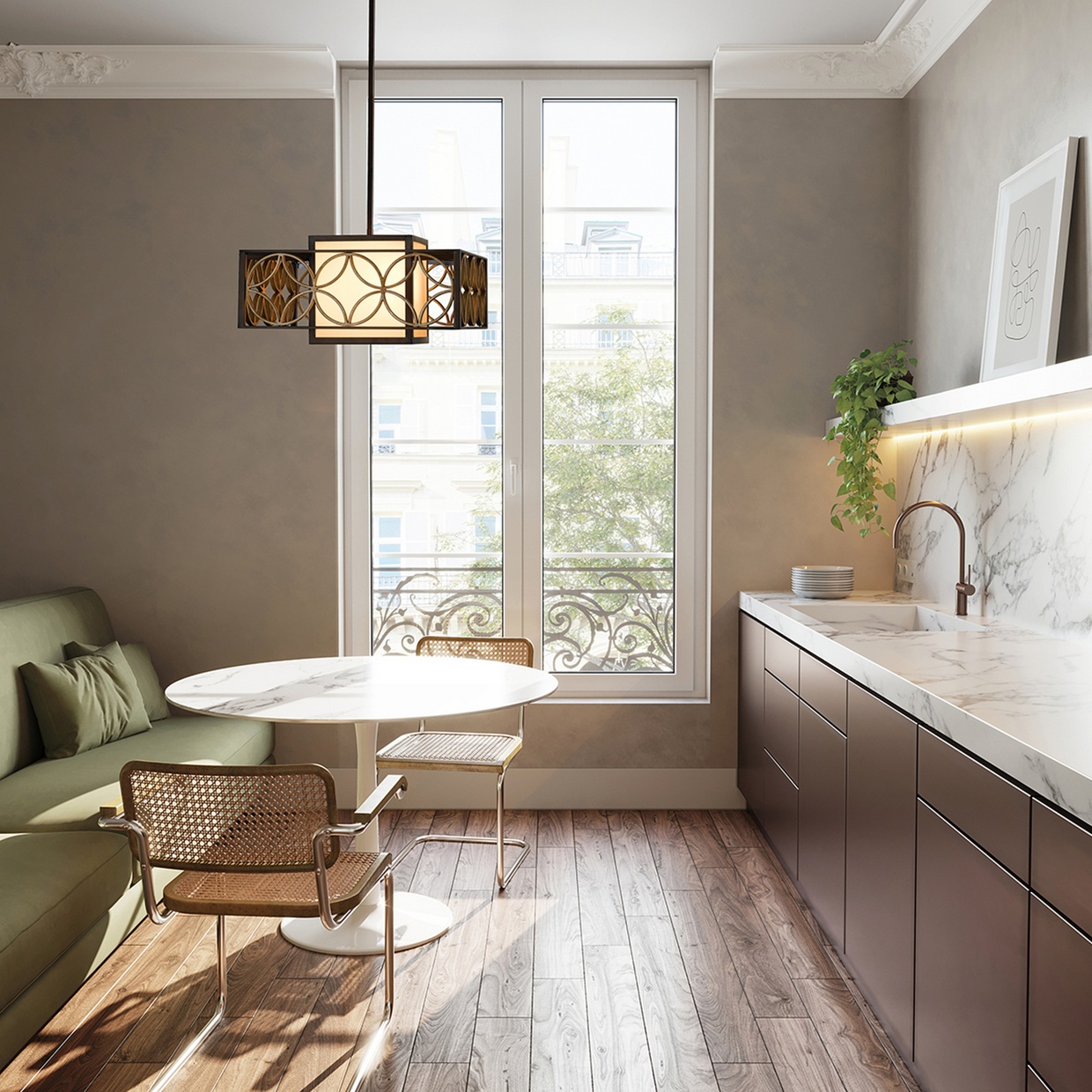
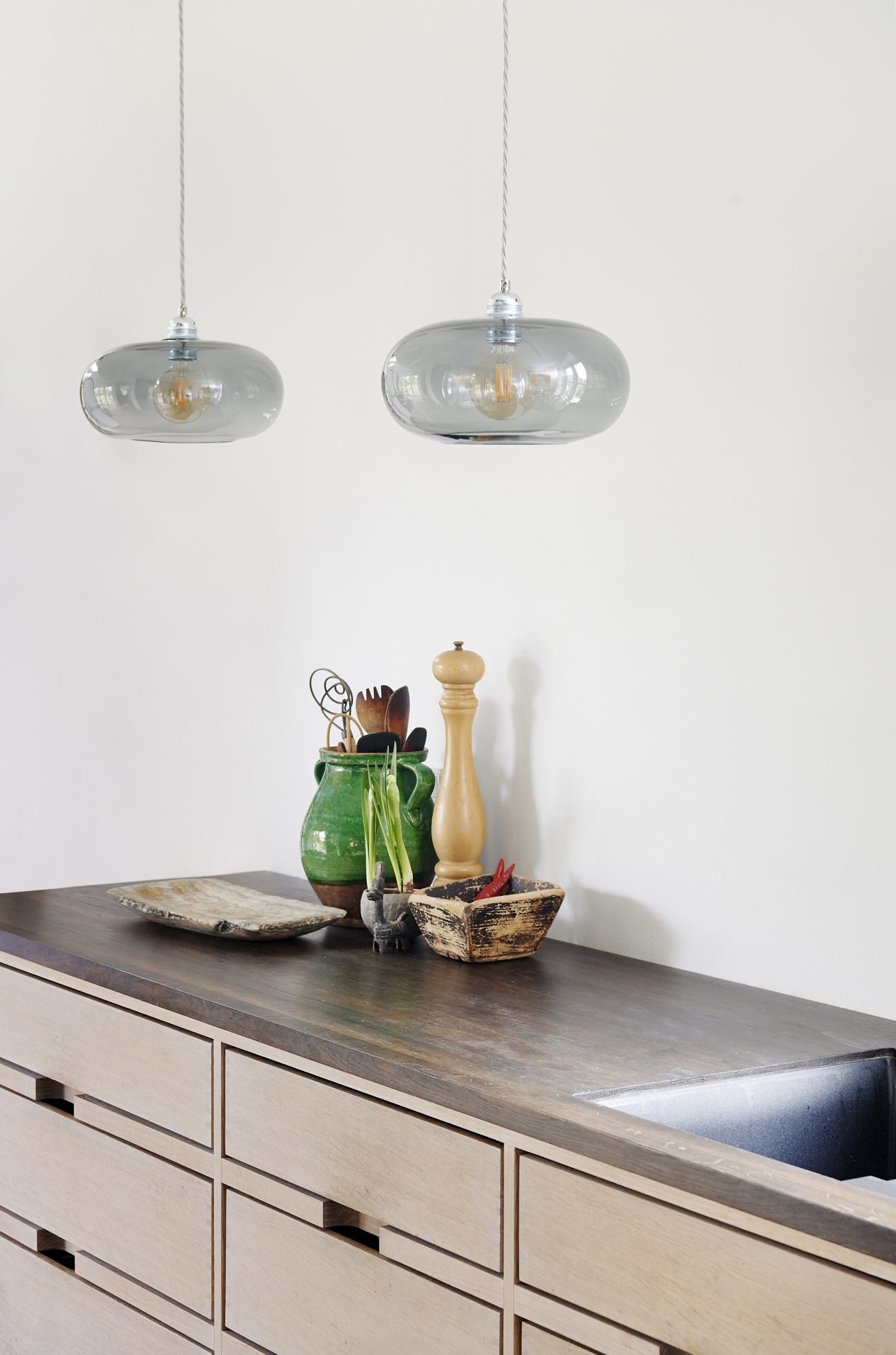
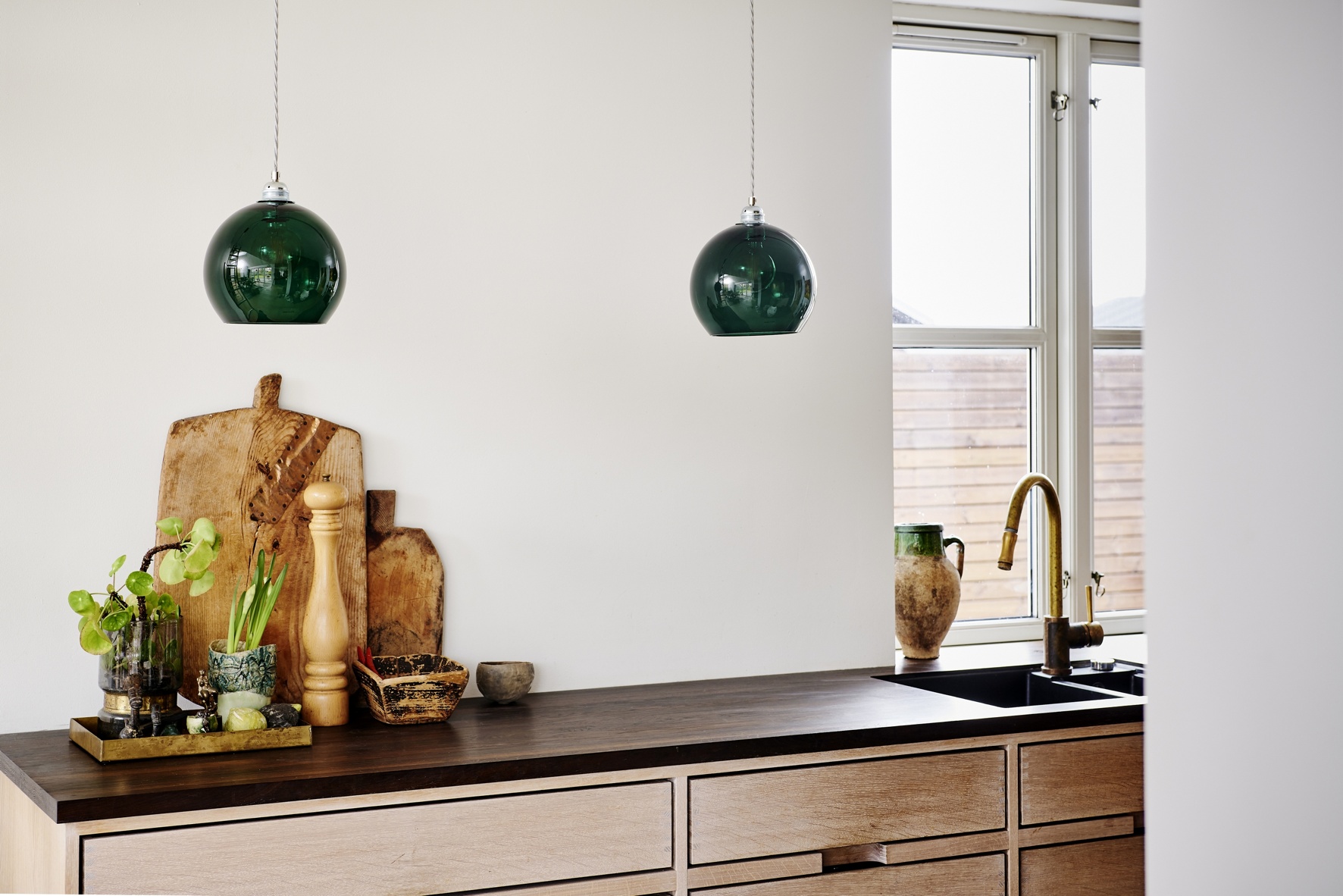
Another major trend is the growing emphasis on natural materials and organic forms. Rather than simply opting for smooth white fixtures, homeowners are embracing warmer, more tactile materials that bring depth and texture to the kitchen. Materials such as rattan, wood and linen shades introduce a softer, more natural feel, reflecting the increasing demand for sustainable and biophilic design. Metallic finishes such as brass, copper and matte black are also proving popular, particularly when paired with materials like glass or wood. These combinations add depth and character while creating a timeless look.

LED strip lighting continues to be a popular choice, offering a seamless way to integrate lighting into cabinetry, shelving and toe kicks for a sleek, modern effect. Meanwhile, smart lighting solutions are becoming an essential feature in contemporary kitchens, allowing homeowners to control brightness and colour temperature through mobile apps. This flexibility helps create different moods throughout the day and makes the space more adaptable to modern living.

What makes for a successful lighting plan in a kitchen?

A well executed lighting plan relies on a combination of three essential layers: ambient, task and accent lighting. Ambient lighting acts as the main source of illumination and is typically achieved through ceiling mounted fixtures such as recessed spotlights or flush mount lights.


Task lighting is essential for food preparation and cooking areas, ensuring that worktops, sinks and hobs are properly illuminated. Under cabinet lighting is a popular option as it improves visibility without creating glare.


Accent lighting helps elevate the overall look of the kitchen by adding depth and interest. This can be achieved through decorative pendant lights, LED strips within shelving or lighting inside glass fronted cabinets. By layering these different lighting types, a kitchen can feel both practical and welcoming.


What are the most common mistakes when it comes to kitchen lighting?

One of the most common mistakes is failing to provide adequate task lighting, which can result in poorly lit workspaces that make food preparation difficult and even hazardous. Many homeowners also rely too heavily on recessed ceiling lights, which on their own can create harsh shadows and leave key areas lacking in light.

Another common oversight is the absence of dimmable lighting, which limits the flexibility of the space. Dimmers allow lighting levels to be adjusted to suit different activities, whether that is bright illumination for cooking or softer lighting for dining.

Using mismatched colour temperatures can also make a kitchen feel disjointed, while poor planning for power sources may lead to inconveniently placed or insufficient sockets that restrict lighting options.

What is the best way to make a statement with kitchen lighting?

To create a bold statement with kitchen lighting, it is important to choose fixtures that are both eye catching and functional. One of the most effective ways to achieve this is by incorporating oversized pendants or a sculptural chandelier above a kitchen island or dining area.


Selecting high quality materials and finishes, whether brushed brass, matte black or glass, adds a sense of luxury and personality. Combining feature lighting with softer accent lighting creates depth and ensures the space feels both striking and welcoming. Thoughtful lighting choices can turn the kitchen into a standout feature within the home while still delivering the practicality needed for everyday life.

About KES Lighting & Home

Founded in 1985, KES Lighting & Home has established itself as one of the UK’s leading luxury lighting retailers, offering a carefully curated selection of renowned lighting brands. With thousands of in-stock products and a dedicated team of specialists, KES Lighting & Home empowers customers to make confident, design-savvy choices for their homes—both indoors and out.

Stockist details