Will Sunlight Damage Your Floors? What Every Homeowner Should Know

Adam Robertson of Urbane Living explains how UV exposure affects timber flooring, why natural colour changes occur and how the right finish can help protect your investment.

One of the biggest effects of UV light and prolonged sun exposure on interior flooring is gradual colour change. Natural wood is particularly susceptible because it is a living material that continues to mature over time. The amount of sunlight a room receives, along with the species of timber and the type of finish applied, will all influence how noticeable these changes become.

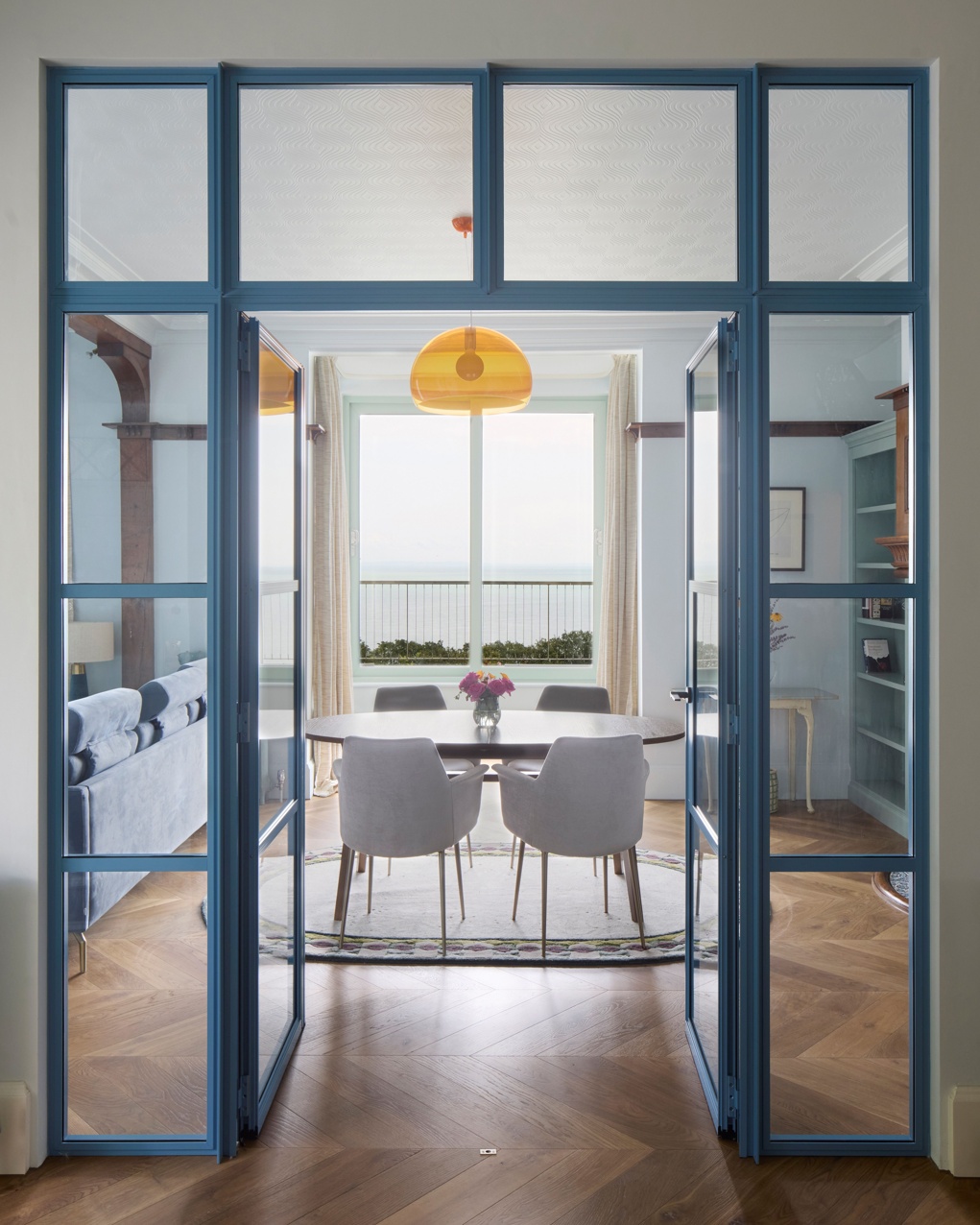
Different wood species naturally react in different ways. American walnut, for example, tends to lighten over time, while American cherry develops a richer, darker appearance. Oak generally changes less dramatically, although with a natural clear finish it will gradually take on warmer, golden tones. Many homeowners also choose colour treated wood flooring. Mid to darker shades may fade slightly with prolonged UV exposure, while lighter tones can become deeper in colour.

The quality of the finish also plays an important role in protecting flooring from the effects of sunlight. A high quality finish helps slow the rate of colour change and provides greater long term durability. With our floors, for example, we apply up to nine layers of finish to create a robust and stable surface that offers enhanced protection against everyday wear and UV exposure.

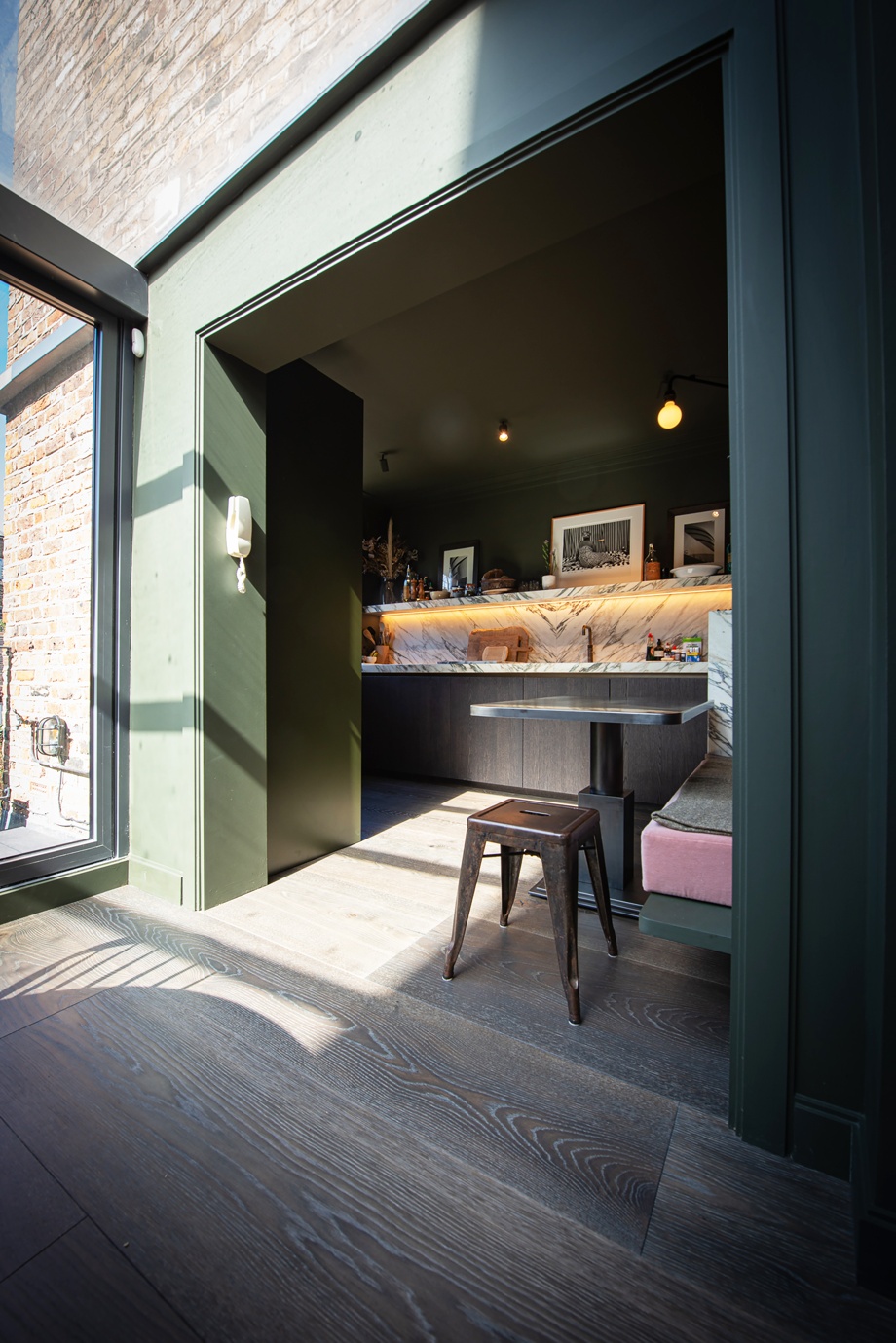
While some natural ageing is inevitable and often adds to the character of real wood flooring, there are simple ways to minimise uneven fading. Rotating rugs and furniture occasionally allows the floor to age more evenly, while blinds, curtains or UV filtering window treatments can help reduce direct sunlight during the brightest parts of the day.


Adam Robertson, Managing Director, Urbane Living www.urbaneliving.co.uk 

About Urbane Living

Stockist details