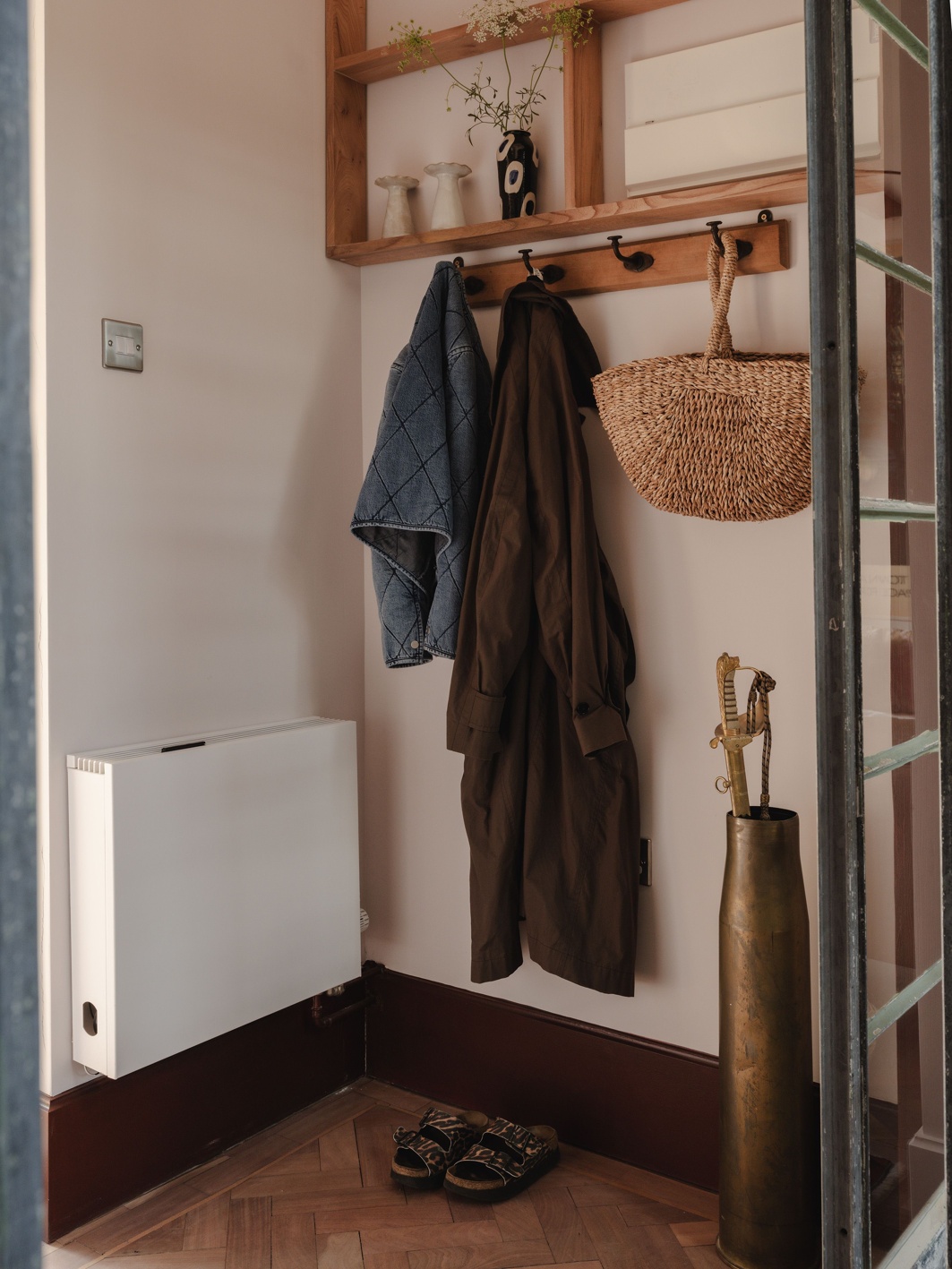
Radiators That Heat in Winter and Cool in Summer? Here's How They Work

The Radiator Centre's Nick Duggan explains how fan-assisted radiators paired with compatible heat pumps can provide year-round comfort, and what homeowners should know before upgrading.


1. How do radiators with a cooling function work?


Fan-assisted radiators designed for use with heat pumps can provide both heating and cooling when connected to a compatible system. Rather than relying purely on natural convection, they use low-energy fans to draw air across a heat exchanger, significantly improving heat transfer.

In heating mode, warm water from the heat pump is circulated through the radiator to provide even, comfortable warmth at lower flow temperatures. In the summer months, cooled water can be passed through the unit, and blown in to the room to gently reduce indoor temperatures.


2. What kind of heat pump can they be used with?


To enable both heating and cooling, fan-assisted radiators need to be paired with a reversible heat pump that is designed to supply both hot and chilled water. Not all heat pumps offer active cooling, so it’s important that the system is specified as a complete heating and cooling solution from the outset.


3. Is retrofitting them easy? For example, if you are upgrading to a heat pump and need to change your radiators, is using these with a compatible heat pump more complicated than normal radiators?


Not really, but there are a couple of extra things to think about.

Like standard radiators, fan-assisted radiators still connect into the same water-based heating system, so the basic installation isn’t any more complicated when you’re upgrading to a heat pump.

The main difference is that these units need electricity as well, because they use small fans to help move air through the radiator. That just means an electrical connection is required for each unit, which isn’t needed with standard radiators.

If you want to use the cooling function, the system also needs to be set up for it from the start. That means the heat pump must be able to provide cooling, and the installer will need to make sure everything is designed to manage moisture in the air safely.

In practice, when it’s planned properly as part of the heat pump installation, it isn’t significantly more complicated, it just needs a bit more coordination between the heating and electrical design.

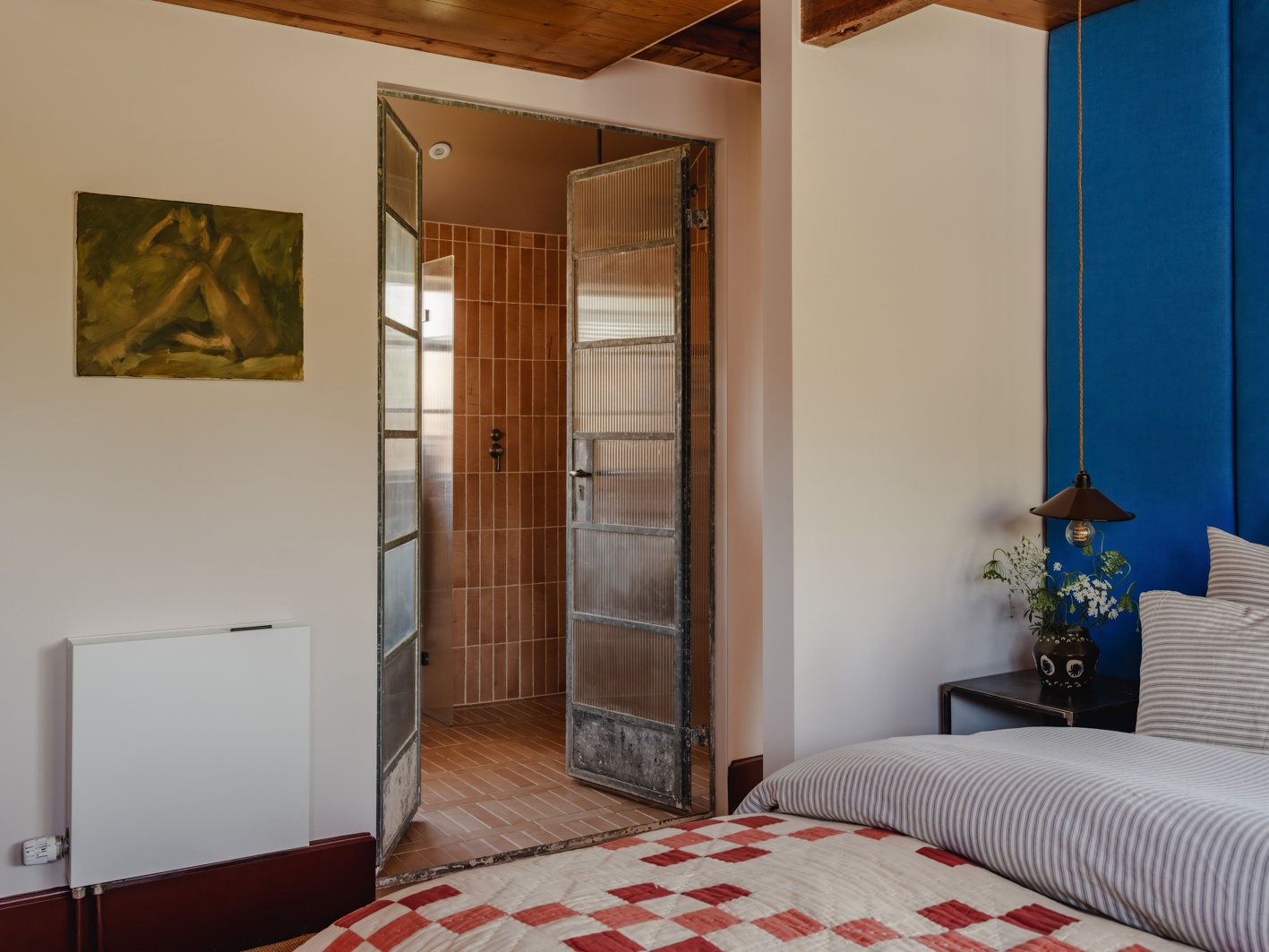
4. Are they more expensive?


Yes, they are generally more expensive than standard radiators.

That’s mainly because they include built-in fans and controls, and because they’re designed to work efficiently with lower temperature heating systems like heat pumps, while also offering cooling when needed.

However, they can add real value by combining heating and cooling in one system. In many homes, that can remove the need for separate air conditioning, which helps balance out the upfront cost over time.


About The Radiator Centre

The Radiator Centre is a UK based company with 6 showrooms around the UK. As one of the largest providers of the very best designer radiators, whatever radiator solution you are searching for, you are almost certain to find it here. Our extensive range includes designer radiators, traditional radiators and cast iron radiators. Whether you are just starting out on your building project or need something in a hurry visit us in-store or buy online today.

Stockist details