1.Choosing high maintenance worktops
Some worktop materials are far easier to live with than others. Surfaces that stain easily or require regular sealing can quickly become a chore to maintain. Durable materials such as quartz and sintered stone offer excellent resistance to stains and scratches, making them a practical choice for busy households.
2.Opting for fussy cabinetry
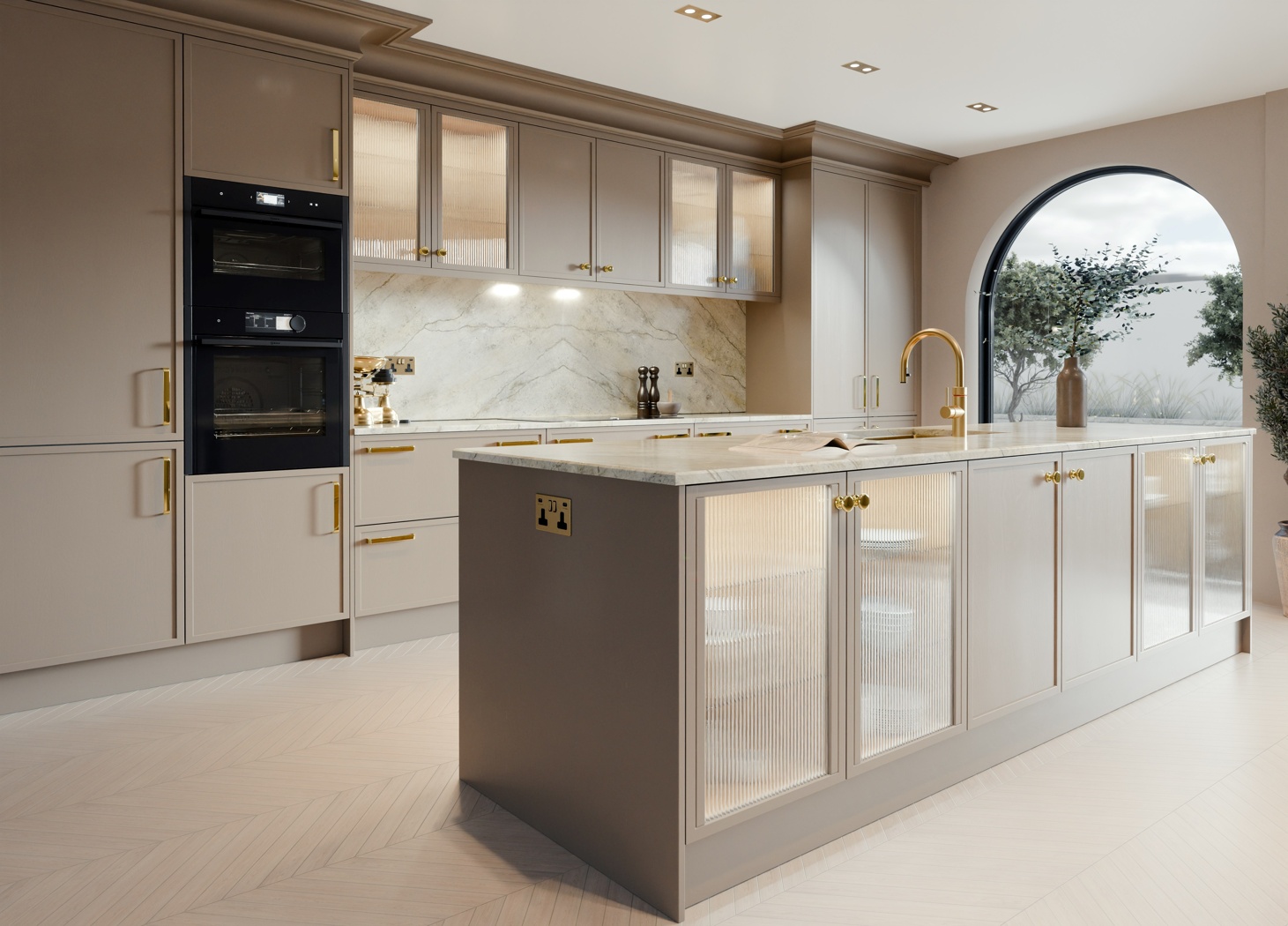
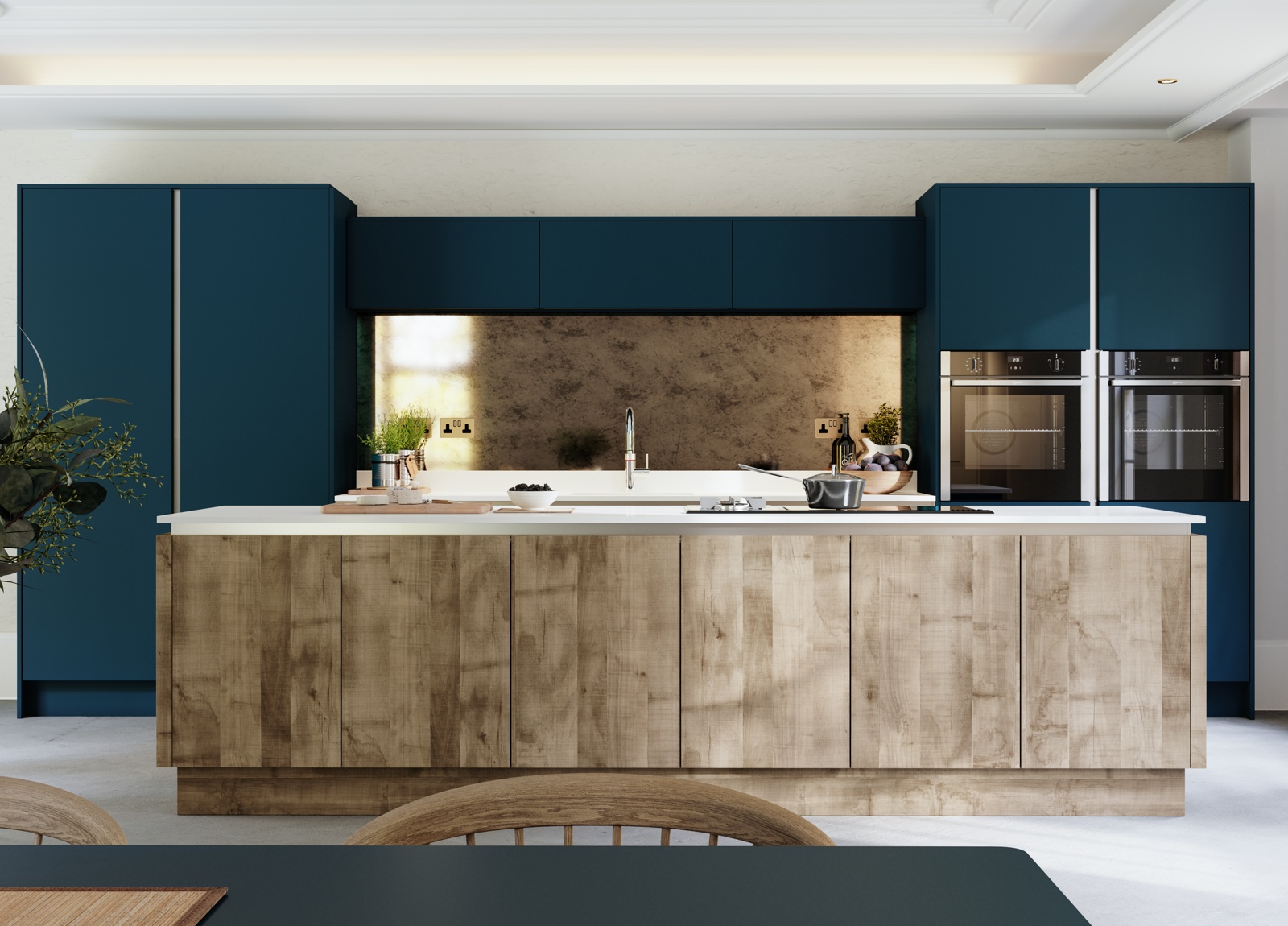
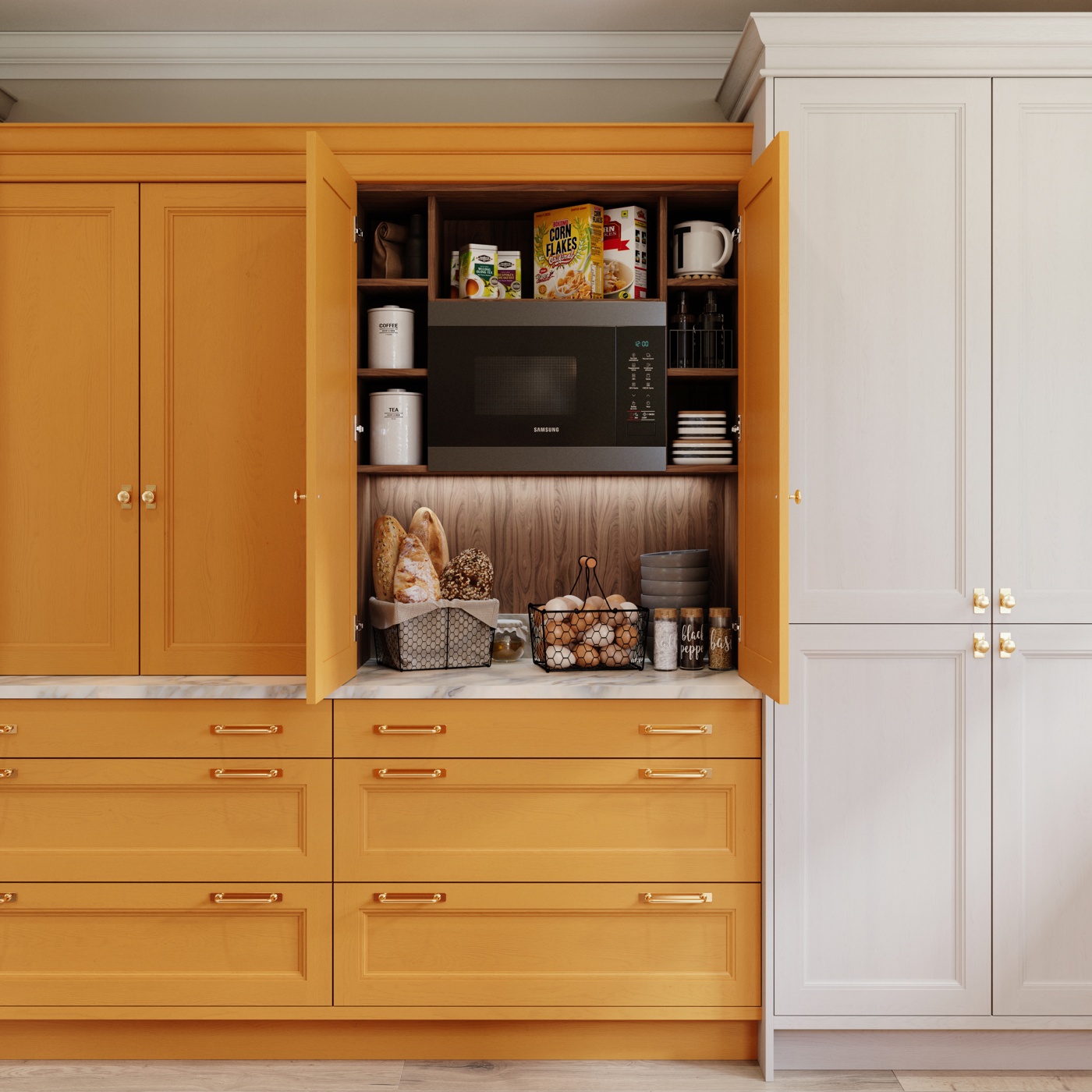
Decorative mouldings, intricate detailing and lots of exposed handles create extra places for dust, grease and grime to collect. Consider cabinetry with integrated handles or handleless designs as they are much easier to wipe clean while creating a more streamlined look.
3.Prioritising style over practicality
It's easy to be swayed by trends, but some finishes require more upkeep than others. High gloss cabinetry is more prone to showing fingerprints, while black sinks and taps can quickly reveal limescale and watermarks, particularly in hard water areas. Choose finishes that suit your lifestyle to help save time on cleaning without compromising on style.
4.Overlooking everyday functionality
It's often the smallest design decisions that have the biggest impact. Deep drawers are typically more practical than cupboards, a large single bowl sink is often easier to clean than a double, and reducing exposed edges, hardware and joins means there are fewer places for dirt to build up.
5.Not making the most of awkward spaces
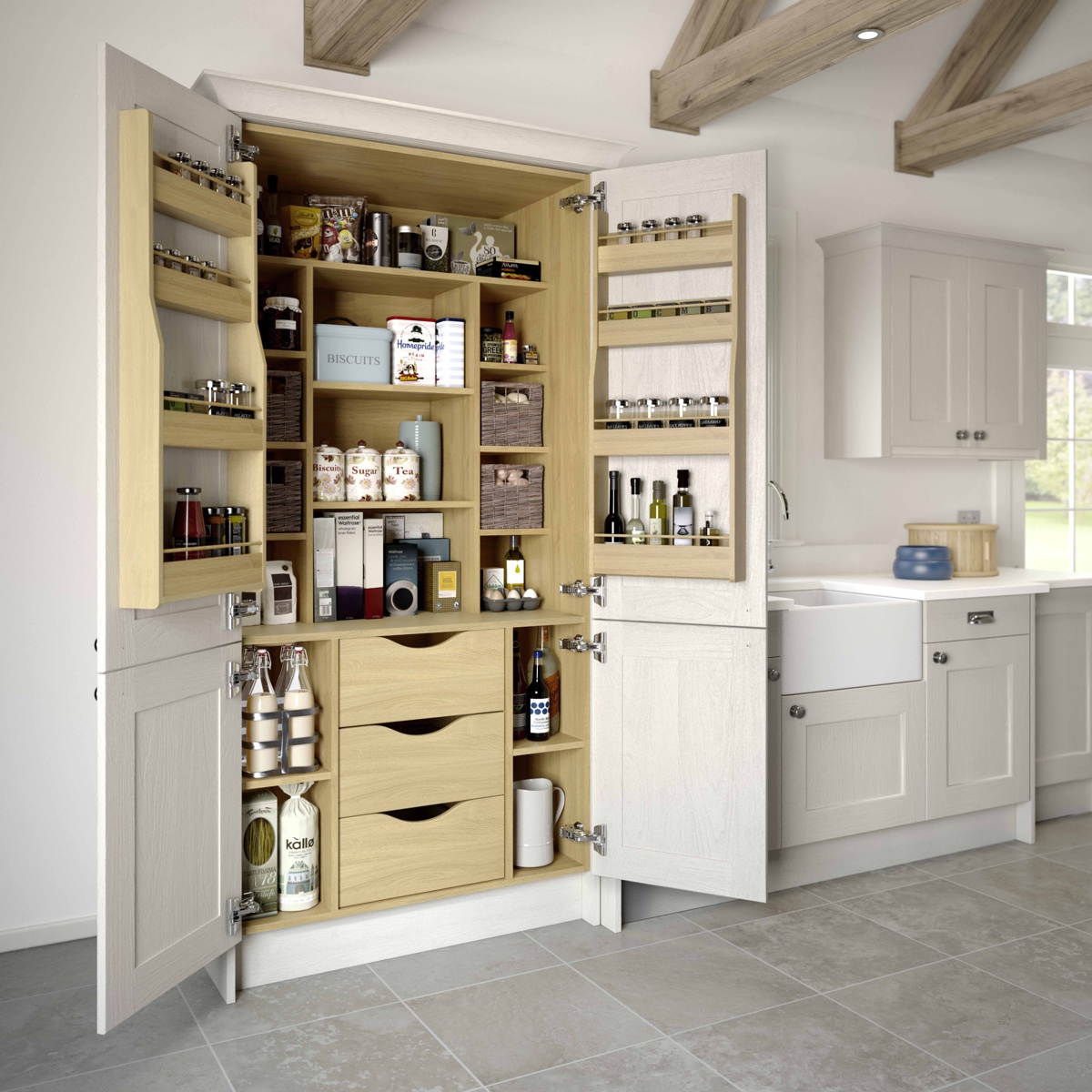
Corners and narrow gaps are often overlooked during a renovation, leaving valuable storage unused. Incorporating solutions such as corner units, pull-out storage or bespoke cabinetry helps maximise every inch of space, creating a kitchen that's both more practical and easier to keep organised.

 Contact PR team
 Visit press office