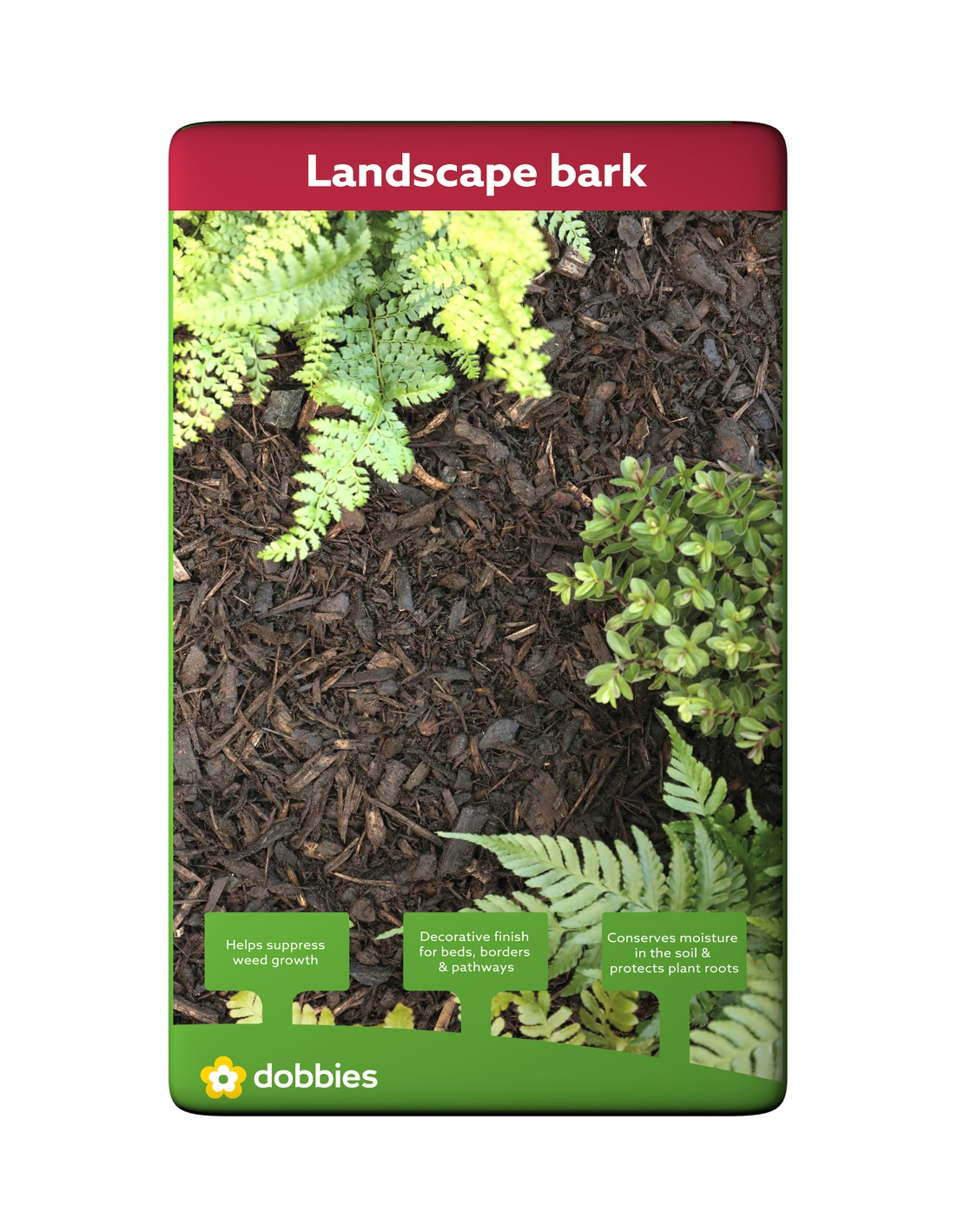
Spring may be best known for planting, but Nigel advises that success starts a step earlier with good soil preparation. Taking time to improve the soil before adding plants will pay off as the season progresses. Adding organic matter and fertiliser helps boost nutrients while clearing away weeds and debris gives new plants the best possible start.
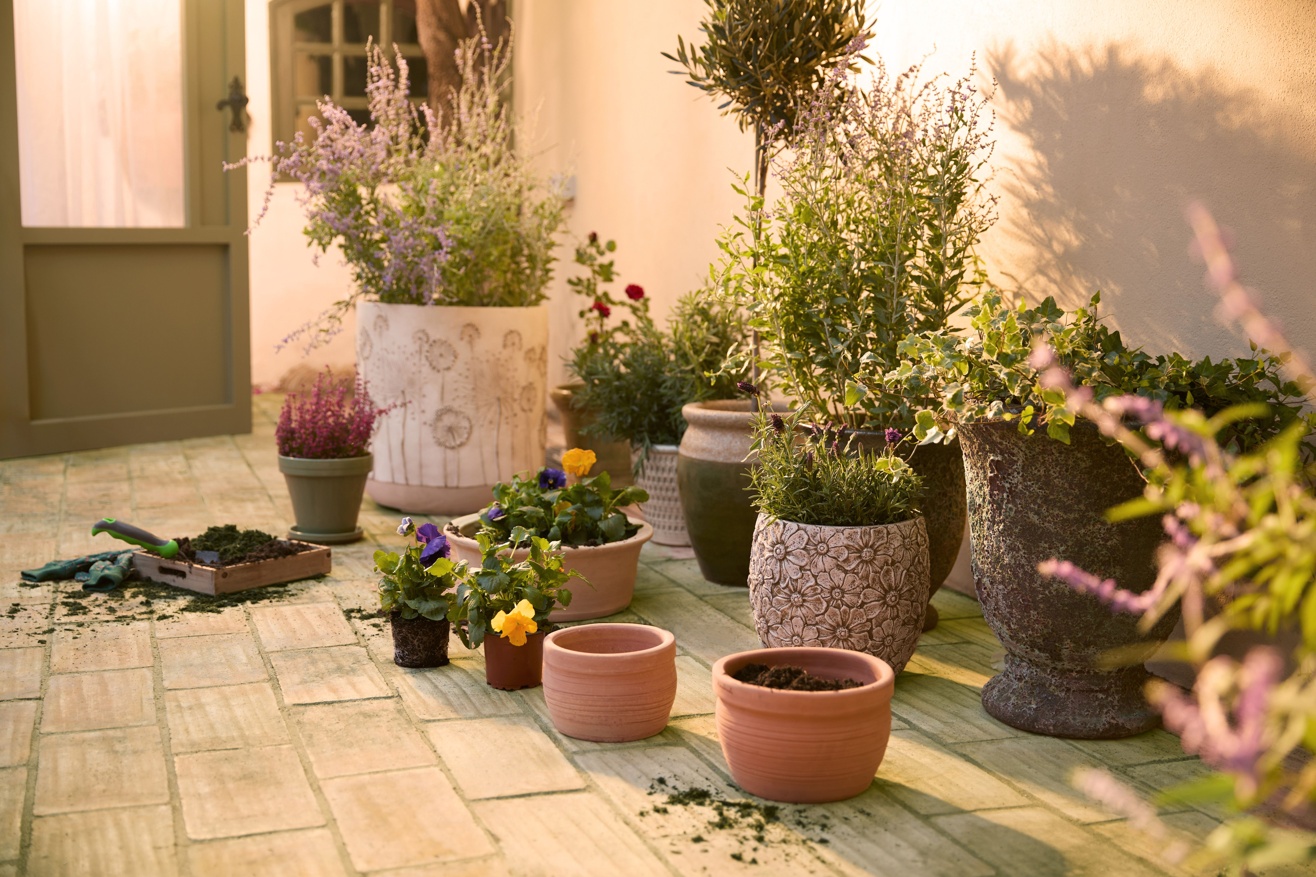
Once beds are prepped, gardeners can begin introducing colour to their outdoor spaces. For instant impact, Nigel suggests choosing spring bedding plants such as pansies, primroses and violas, which can be mixed with potted bulbs to create bright, seasonal displays. Gardeners looking to plan ahead can also plant cottage garden plants, or herbaceous perennials, in spring, which will establish now and provide colour right through the season. Spring-flowering shrubs such as camellias, forsythias and magnolias can also be planted at this time, helping to add structure and shape to the garden. Alpine plants are another reliable option in early spring, offering early colour and resilience in cooler conditions.
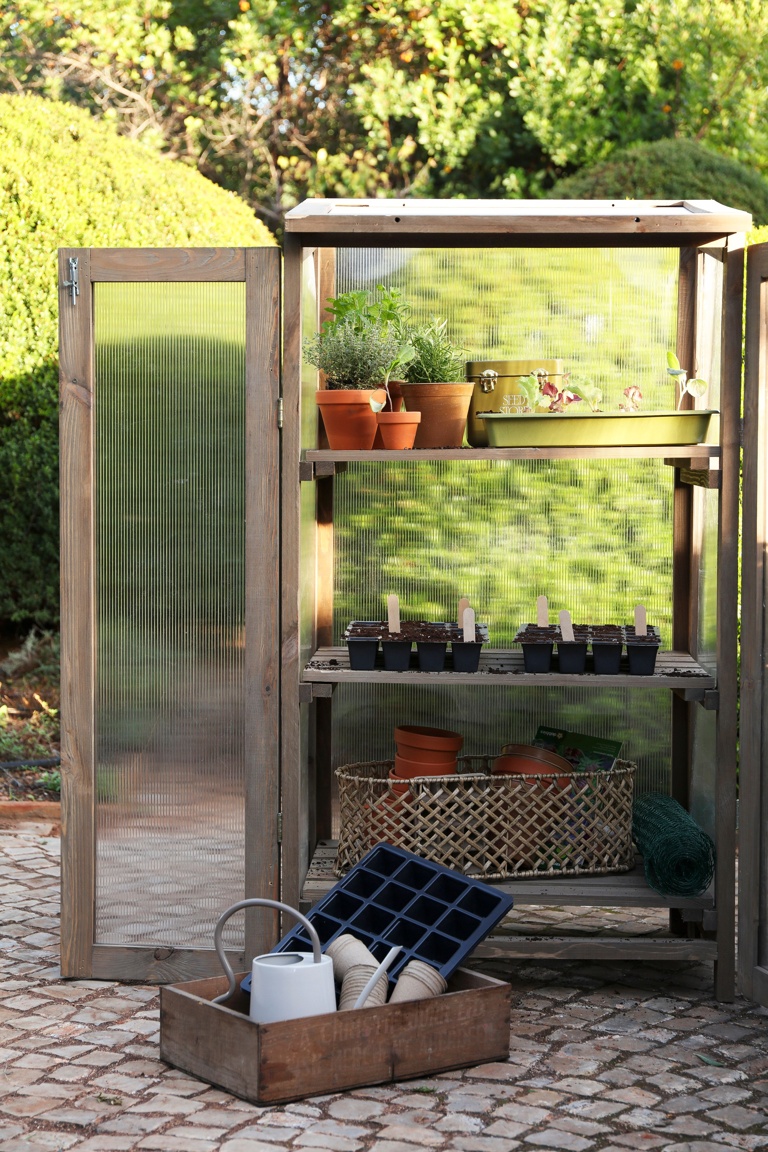
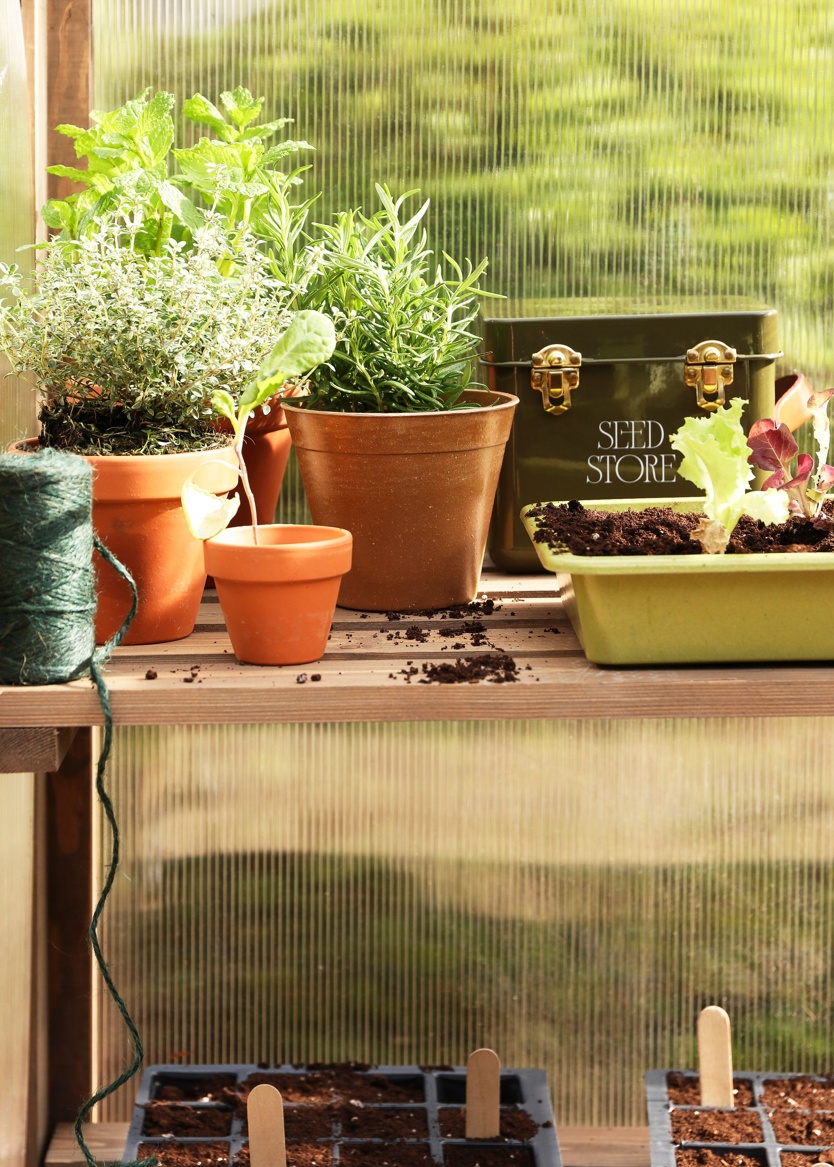
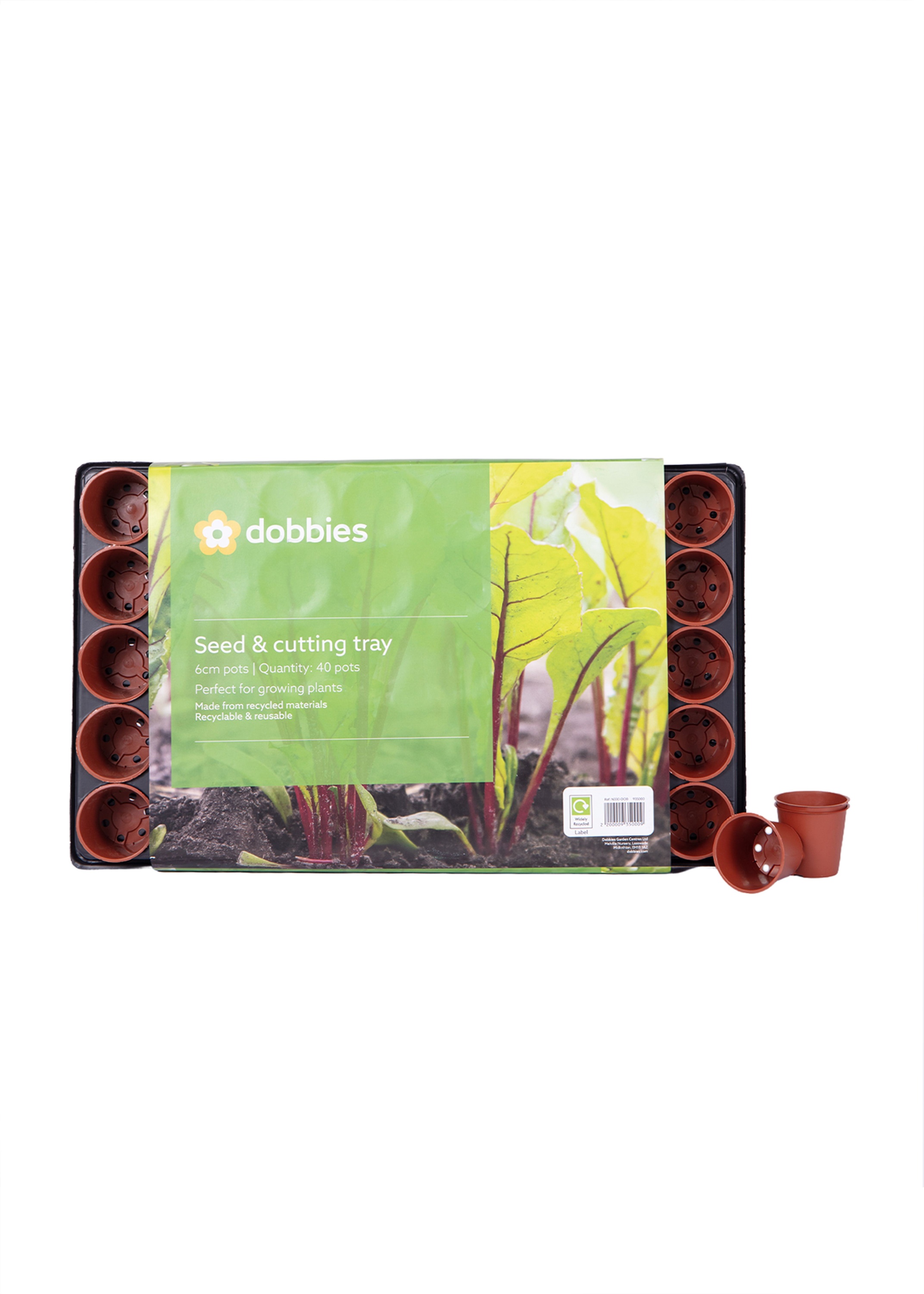
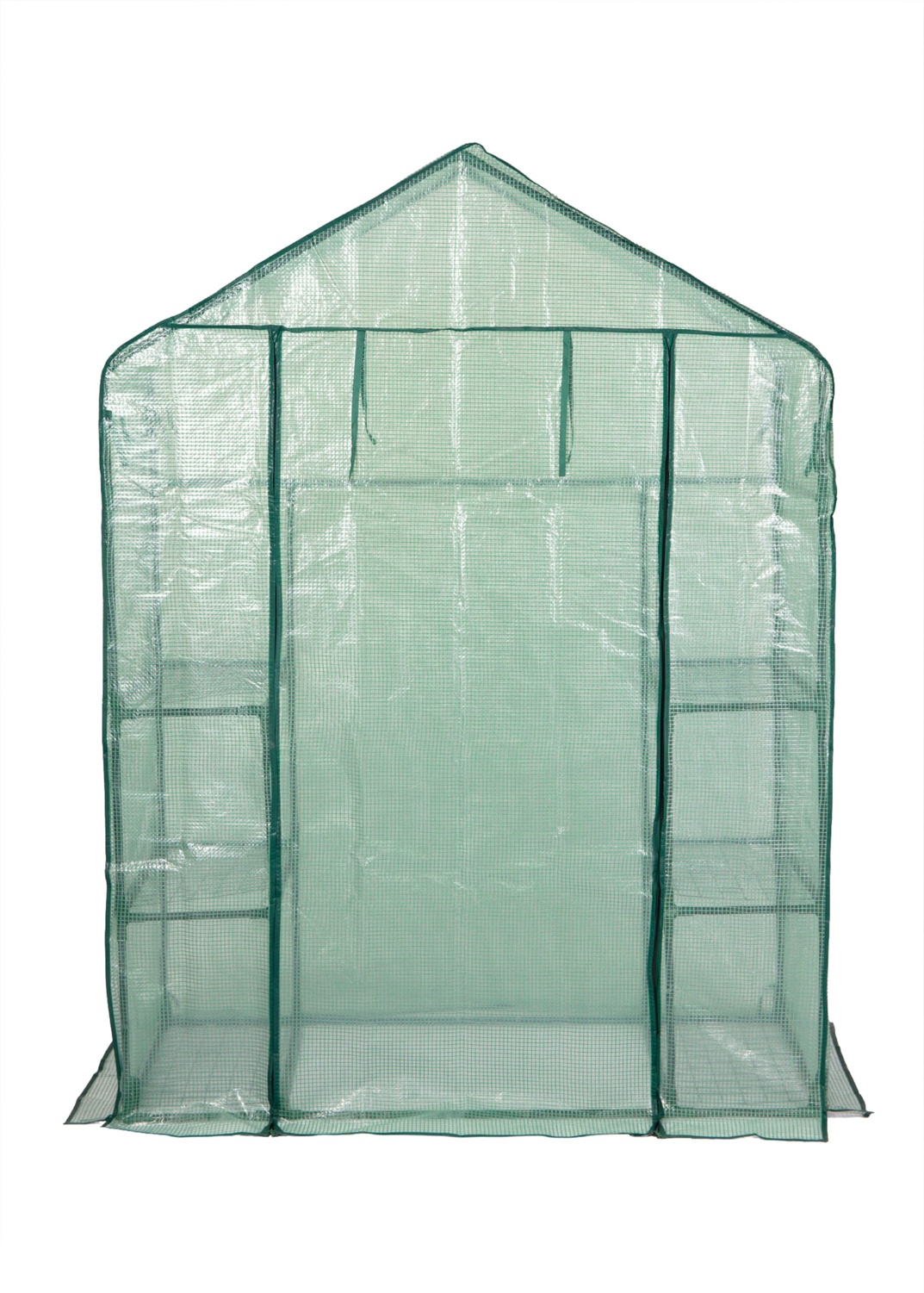
Spring is also the ideal time to think ahead and start growing plants from seed. Nigel notes that propagating young plants early in the season gives them a head start before summer and can be a cost-effective way to fill the garden. Seeds can be sown in trays using seed compost and grown in a pop-up greenhouse, tunnel or even on a bright kitchen windowsill. Dobbies stocks a wide range of seed packs, making it easy for gardeners to plan their planting for the months ahead.
For summer interest, bulbs such as dahlias and begonias can be started off in pots indoors during early spring. Nigel recommends waiting until all risk of frost has passed before planting them out, helping ensure strong growth and a vibrant display later in the year.
Now is also a good time to think about climbing plants. Nigel recommends putting supports such as trellises in place early, before plants get established. Installing supports now helps guide new growth as it appears, and avoids disturbing roots later in the season.
Lawncare
Nigel says that spring is the time to focus on setting your lawn up for healthy growth through the rest of the year but explains that temperature is key, as grass won’t start growing until conditions are right. Nigel recommends waiting until temperatures are consistently above 5-7 degrees before carrying out major lawn tasks, which is typically towards the end of March, although this can vary depending on where you live.
For those planning to sow a new lawn or repair bare patches, early spring can be a good opportunity once conditions allow. Preparing the ground properly is essential, starting with clearing debris and cultivating the soil before levelling and firming the surface. Nigel also notes that gardeners can now pick up grass seed designed to germinate at lower temperatures from Dobbies, making it a practical option for earlier sowing in spring.
Spring is also a good time to improve lawn health by addressing drainage and soil compaction. Spiking or aerating the lawn can help water and nutrients reach the roots more effectively, encouraging stronger growth. Applying a lawn builder or grass feed at this stage will further support a more lush, green lawn as the season progresses.
When it comes to the first mow of the year, Nigel advises patience. There’s no fixed date, and mowing should only take place once grass is actively growing and all risk of frost has passed. The first cut should always be light, with mower blades set to their highest setting, and carried out on a dry day to avoid damaging the lawn.
Grow your own



 Contact PR team
 Visit press office